Weekend in Casablanca: Souks, Seafood & Art Deco
Why Visit Casablanca?
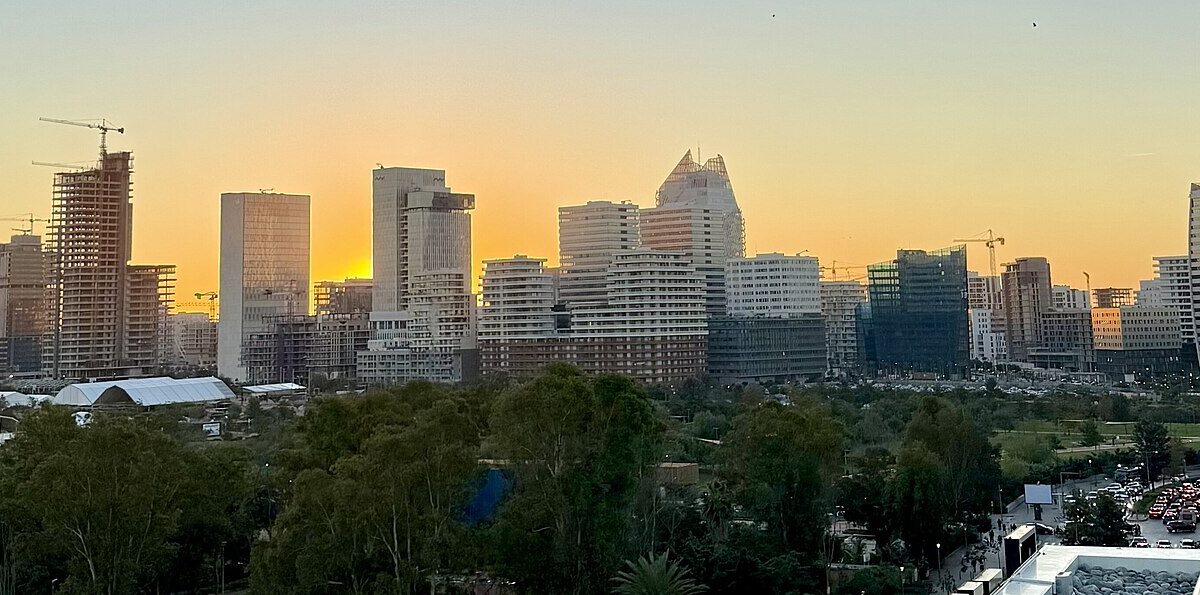
Casablanca offers a compelling blend of historical depth and modern dynamism, making it a prime destination for discerning travelers in 2026. This Casablanca travel guide highlights its unique architectural heritage, vibrant culinary scene, and strategic coastal location. With manageable costs and diverse experiences, the city provides an accessible entry point into Moroccan culture.
This guide details how to navigate Casablanca’s distinct neighborhoods, plan an efficient itinerary, and experience its authentic flavors. It addresses practical considerations such as budgeting, accommodation choices, and transportation, ensuring a well-prepared visit. For those seeking to understand Morocco’s economic heart and its evolving identity, Casablanca presents an unparalleled opportunity.
Who This Guide Is For
This Casablanca travel guide is designed for independent travelers planning a 3-5 day exploration of Morocco’s largest city. It is particularly suited for those interested in urban exploration, architectural appreciation, and authentic culinary experiences, with a moderate budget.
Average Travel Cost in Casablanca
The following data provides an estimated daily expenditure for travelers in Casablanca, based on current exchange rates and verified pricing data for 2026. All figures are in USD, with 1 USD = 10.10 MAD (د.م.). Tipping culture suggests 10-15% at restaurants.
| Category | Budget | Mid-Range | Luxury |
|---|---|---|---|
| Accommodation | $30 | $80 | $250 |
| Food | $20 | $50 | $150 |
| Transport | $5 | $20 | $70 |
| Attractions | $10 | $30 | $80 |
| Misc | $10 | $20 | $50 |
| Daily Total | $75 | $200 | $600 |
Estimated total costs for varying trip durations:
- 3-Day Trip: Budget $225, Mid-Range $600, Luxury $1800
- 7-Day Trip: Budget $525, Mid-Range $1400, Luxury $4200
Comparing accommodation types, opting for an Airbnb-style rental can offer significant savings over traditional hotels, particularly for longer stays or for those requiring kitchen facilities. While a budget hotel might cost around $30 per night, a comparable Airbnb could be found for $25-$35, offering more space and amenities. Mid-range hotels average $80, while a well-appointed Airbnb might range from $60-$90, potentially yielding savings of 15-25% on accommodation costs.
Seasonal price fluctuations are notable. The peak season, generally from October to April, sees higher rates for accommodation and flights due to favorable weather. Shoulder seasons (late spring and early autumn) offer a balance of good weather and slightly reduced prices. The off-season, typically summer months, can present the lowest prices but may coincide with higher temperatures, impacting comfort for some activities.
Where to Stay in Casablanca
Gauthier: This neighborhood is characterized by its elegant Art Deco villas and tree-lined avenues, offering a quieter, more residential atmosphere. It is known for its upscale ambiance and proximity to key business and cultural hubs. Price range per night: Budget $25-$40, Mid-Range $60-$90. Best for: Travelers seeking a tranquil base with a touch of old-world charm and professionals on business. Insider Tip: Explore the side streets for hidden cafes and local patisseries often missed by tourists.
Anfa: A historically affluent area, Anfa offers a mix of modern apartments, luxurious villas, and proximity to the coastline and popular beaches. It is a dynamic district with shopping centers, restaurants, and a lively social scene. Price range per night: Budget $30-$45, Mid-Range $70-$100. Best for: Families, couples, and those who enjoy a cosmopolitan lifestyle with easy access to leisure activities. Insider Tip: Utilize the tramway system, which efficiently connects Anfa to other parts of the city, avoiding potential traffic congestion.
Habous Quarter (New Medina): Designed in the 1930s to emulate traditional Moroccan medinas, this area features distinctive architecture with souks, mosques, and residential buildings. It offers a more curated, less chaotic experience of a traditional market. Price range per night: Budget $20-$35, Mid-Range $50-$75. Best for: Budget travelers and those interested in experiencing a more controlled, accessible version of a traditional Moroccan market atmosphere. Insider Tip: Visit the Habous souk in the morning to avoid the peak crowds and find better prices on handicrafts.
Best Things to Do in Casablanca
Hassan II Mosque
This monumental mosque, one of the largest in the world, is a stunning example of modern Islamic architecture, featuring intricate tilework, carved plaster, and a retractable roof overlooking the Atlantic. Its importance lies in its scale, beauty, and its unique position as a spiritual and cultural landmark.
Average ticket price: 130 MAD (approx. $13) for non-Muslim guided tours.
Best time to visit: Non-Muslims can visit during specific tour times, typically in the morning and early afternoon. Avoid Friday prayer times.
Insider Tip: Book your guided tour in advance online to secure a spot and potentially bypass queues, especially during peak tourist seasons.
Corniche
Casablanca’s seaside promenade offers a refreshing escape with its ocean views, cafes, restaurants, and public spaces. It is a vital recreational area for locals and a pleasant spot for visitors to experience the city’s coastal lifestyle.
Average ticket price: Free to access.
Best time to visit: Late afternoon for sunset views, or early morning for a quieter experience.
Insider Tip: While many establishments line the Corniche, explore slightly inland for more authentic and potentially better-value cafes and eateries.
Old Medina
The historic heart of Casablanca, though less extensive than those in other Moroccan cities, offers a glimpse into the city’s past with its labyrinthine alleys, traditional shops, and local life. It provides a contrast to the modern city.
Average ticket price: Free to wander.
Best time to visit: Weekday mornings for a more authentic local feel, avoiding weekend crowds.
Insider Tip: Be mindful of your surroundings and engage politely with shopkeepers; a friendly demeanor can lead to more positive interactions and potentially better bargaining outcomes.
Mohammed V Square
This grand public square is a prime example of French colonial urban planning, surrounded by impressive Neo-Moorish and Art Deco administrative buildings. It serves as a central hub and an architectural showcase.
Average ticket price: Free.
Best time to visit: Any time of day to admire the architecture; evening illuminations offer a different perspective.
Insider Tip: Take time to observe the details of the buildings, such as the intricate carvings and distinctive window designs, which are often overlooked.
Rick’s Cafe
A meticulously recreated version of the iconic cafe from the film “Casablanca,” this establishment offers a nostalgic experience with its period decor, live piano music, and classic menu. It is a popular spot for fans of the movie.
Average ticket price: Entrance is free; costs are for food and drinks. Expect mid-range to high prices for meals.
Best time to visit: Evening for the ambiance and live music. Reservations are highly recommended, especially on weekends.
Insider Tip: While the experience is about atmosphere, consider visiting for a drink and appetizer to manage costs, rather than a full dinner.
Central Market (Marché Central)
Casablanca’s bustling central market is a sensory overload of sights, sounds, and smells, offering everything from fresh produce and seafood to spices, textiles, and local handicrafts. It is a vibrant hub of daily life.
Average ticket price: Free to enter.
Best time to visit: Morning, when vendors are setting up and the freshest goods are available.
Insider Tip: This is an excellent place to sample local street food. Look for stalls with a steady stream of locals to ensure quality and authenticity.
Where to Eat in Casablanca
- Cuisine: Moroccan
- Price Range: 50-150 MAD (approx. $5-$15) per meal
- What to Order: Tagine (various types like chicken with lemon and olives, lamb with prunes), Couscous (especially on Fridays), Pastilla (savory-sweet pigeon or chicken pie).
- Location Tip: Explore restaurants in the Gauthier or Maarif districts for a good balance of local authenticity and modern dining.
- Cuisine: Seafood
- Price Range: 100-250 MAD (approx. $10-$25) per meal
- What to Order: Freshly grilled fish (sea bream, sole), Gambas (shrimp) cooked in garlic and butter, Calamari.
- Location Tip: Head to the restaurants near the port or along the Corniche for the freshest catch.
- Cuisine: French/International
- Price Range: 150-350 MAD (approx. $15-$35) per meal
- What to Order: Steak frites, various pasta dishes, salads, and international specialties.
- Location Tip: Many upscale restaurants in the city center and Anfa offer refined international cuisine.
- Cuisine: Street Food/Local Snacks
- Price Range: 10-50 MAD (approx. $1-$5) per item
- What to Order: Msemen (flaky Moroccan pancakes), Sfenj (Moroccan doughnuts), various grilled skewers (brochettes), fresh fruit juices.
- Location Tip: Seek out busy stalls in the Central Market or street vendors in popular squares and busy intersections.
3-Day Casablanca Itinerary
Day 1
Morning: Begin with a visit to the Hassan II Mosque. Opt for a guided tour to fully appreciate its architectural grandeur and religious significance.
Afternoon: Explore the Habous Quarter (New Medina). Wander through its organized souks, browse for handicrafts, and enjoy a traditional Moroccan mint tea.
Evening: Dinner at a traditional Moroccan restaurant in the Gauthier district, focusing on authentic tagines or couscous.
Estimated Daily Cost: $95 (Mid-Range focus: Mosque tour, modest meal, local transport)
Day 2
Morning: Experience the vibrant atmosphere of the Central Market (Marché Central). Sample local street food for breakfast and observe the daily commerce.
Afternoon: Stroll along the Corniche, enjoying the Atlantic breeze. Visit a local cafe for refreshments. Consider a walk through the Anfa district to observe its modern architecture.
Evening: Enjoy a seafood dinner at a restaurant near the port, savoring the fresh catch of the day.
Estimated Daily Cost: $120 (Mid-Range focus: Market snacks, Corniche cafe, seafood dinner, local transport)
Day 3
Morning: Visit Mohammed V Square to admire the colonial-era architecture. Afterward, explore the less crowded streets of the Old Medina for a feel of historic Casablanca.
Afternoon: For film enthusiasts, a visit to Rick’s Cafe for a drink and to soak in the atmosphere is recommended. Alternatively, explore the Art Deco heritage of the city center.
Evening: Farewell dinner at a restaurant offering a blend of Moroccan and international cuisine in the Maarif area.
Estimated Daily Cost: $130 (Mid-Range focus: Rick’s Cafe drink, dinner, local transport, souvenir shopping)
Transportation Guide
Casablanca’s Mohammed V International Airport (CMN) is the primary gateway. To reach the city center, the Al Boraq high-speed train offers the most efficient option, taking approximately 30 minutes to reach Casa Voyageurs station. Taxis are also available, but agree on a price beforehand or ensure the meter is used.
Within Casablanca, the tramway system is a practical and cost-effective method for navigating key areas. It connects major districts and is generally reliable. Taxis are abundant, but it is crucial to negotiate fares before starting your journey or insist on using the meter. Rideshare services like Uber and Careem are also available and offer a transparent pricing structure.
Public transport costs are minimal; a single tram journey typically costs 6-8 MAD (approx. $0.60-$0.80). Taxis from the airport to the city center can range from 200-300 MAD (approx. $20-$30) depending on traffic and destination. Within the city, short taxi rides might cost 15-30 MAD (approx. $1.50-$3). Rideshare services offer competitive pricing, often comparable to metered taxis.
Money-Saving Tips
Pro Tip 1: Utilize the tramway system for intra-city travel. A monthly pass, if planning an extended stay, costs around 200 MAD (approx. $20) and offers unlimited travel on tram and bus lines, significantly cheaper than daily taxi fares.
Pro Tip 2: Embrace local eateries and markets for meals. Eating at food stalls in the Central Market or small, family-run restaurants outside tourist hotspots can reduce daily food costs by 50-70% compared to upscale dining.
Pro Tip 3: Purchase souvenirs from the Habous Quarter or local souks rather than tourist-oriented shops. Bargaining is expected; aim to negotiate prices down by 30-40% from the initial asking price.
Common Travel Mistakes
Mistake 1: Failing to negotiate taxi fares before or during the journey. This can lead to significant overcharging, especially for tourists unfamiliar with local rates. Always confirm the fare or insist on the meter being used before commencing your trip.
Mistake 2: Underestimating the cost of attractions and dining in popular tourist areas. While Casablanca can be budget-friendly, specific sites like the Hassan II Mosque and upscale restaurants on the Corniche carry premium prices. Researching entry fees and menu prices in advance can prevent unexpected budget overruns.
Frequently Asked Questions
How much money do you need for 3 days in Casablanca?
For a 3-day trip to Casablanca, a budget traveler can expect to spend approximately $225. This includes accommodation at around $30 per night, $20 daily for food, minimal transport, and modest attraction entry. Mid-range travelers should budget around $600, allowing for better accommodation, more dining options, and additional activities.
Is Casablanca expensive for tourists?
Casablanca offers a range of price points, making it moderately expensive compared to some other Moroccan cities but still affordable relative to Western European or North American destinations. Daily costs can range from $75 for a budget traveler to $600 for a luxury experience, as detailed in our travel cost calculator.
What is the best area to stay in Casablanca?
The best area to stay depends on your priorities. Gauthier offers a tranquil, elegant experience, ideal for those seeking quiet. Anfa is vibrant and modern, suitable for families and those enjoying city life. The Habous Quarter provides an accessible taste of traditional markets and is good for budget-conscious travelers.
Can you visit Casablanca without a car?
Yes, Casablanca is easily navigable without a car. The city has an extensive tramway network, and taxis are readily available. Rideshare apps like Uber and Careem also operate effectively, providing convenient and affordable transport options throughout the city, making it accessible for all visitors.
What is the cheapest month to visit Casablanca?
While Casablanca’s weather is generally pleasant year-round, the summer months (July and August) often see slightly lower prices for accommodation and flights as it is considered off-season due to higher temperatures. However, the most cost-effective period with good weather is typically the shoulder season, such as October-November or March-April.

Kai has visited 60+ countries across 6 continents, with a obsession for one thing most travelers ignore: the real cost of getting there. Former budget backpacker turned data-driven travel writer, Kai breaks down destination costs so you can plan smarter — not just dream bigger. Based everywhere, from nowhere in particular.