Zimbabwe: A Journey Through Majestic Landscapes and Rich Culture
Zimbabwe Travel Guide
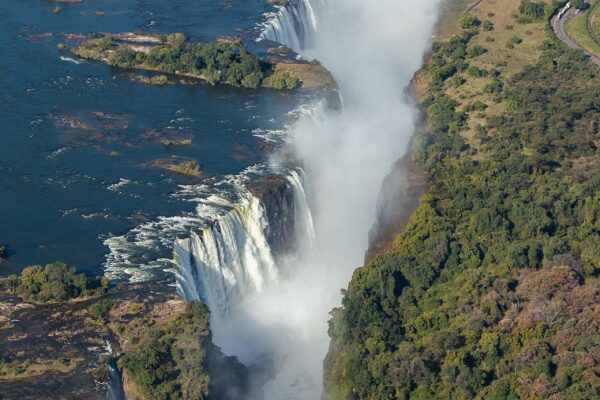
Zimbabwe, a landlocked jewel in Southern Africa, beckons the discerning traveler with its breathtaking natural wonders, vibrant cultural tapestry, and a spirit of resilience. From the thunderous cascade of Victoria Falls to the ancient stone cities of Great Zimbabwe, the country offers an unparalleled journey into the heart of Africa. Visitors can immerse themselves in diverse wildlife encounters, explore rich historical sites, and connect with warm and welcoming communities. Zimbabwe is a destination that promises adventure, discovery, and profound experiences for those seeking an authentic African sojourn.
Best Cities to Visit in Zimbabwe
- Harare: The capital city, Harare, is a bustling metropolis offering a blend of modern amenities and traditional charm. Explore its vibrant markets, art galleries, and the National Gallery of Zimbabwe for a taste of contemporary Zimbabwean culture.
- Bulawayo: Zimbabwe’s second-largest city, Bulawayo, is known as the “City of Kings” and serves as the gateway to Matobo National Park. It boasts a rich colonial history, evident in its architecture, and is a hub for traditional arts and crafts.
- Victoria Falls: While primarily known for the magnificent falls, the town of Victoria Falls itself is a must-visit. It’s the adventure capital of Zimbabwe, offering a plethora of activities from bungee jumping to sunset cruises on the Zambezi River. A detailed Victoria Falls travel guide is essential for planning your stay.
- Mutare: Situated in the eastern highlands, Mutare is a picturesque city surrounded by rolling hills and lush forests. It’s an ideal base for exploring the Eastern Highlands, including Nyanga National Park, known for its waterfalls and hiking trails.
- Masvingo: Home to the awe-inspiring Great Zimbabwe Ruins, Masvingo is a city steeped in history. The ruins are a UNESCO World Heritage site and offer a glimpse into a sophisticated ancient civilization.
- Kariba: This town overlooks the vast Kariba Dam and Lake Kariba, one of the world’s largest man-made lakes. It’s a popular destination for houseboating, fishing, and observing wildlife along the lake shores.
Travel Costs in Zimbabwe
| Category | Budget (USD) | Mid-Range (USD) | Luxury (USD) |
|---|---|---|---|
| Accommodation (per night) | $30 – $70 | $80 – $200 | $250+ |
| Food (per day) | $15 – $30 | $40 – $80 | $100+ |
| Transport (per day) | $10 – $25 | $30 – $70 | $80+ |
| Activities (per day) | $20 – $50 | $60 – $150 | $200+ |
| Daily Total (per person) | $75 – $175 | $210 – $500 | $630+ |
Best Time to Visit Zimbabwe
Zimbabwe experiences a distinct dry season and a wet season. The dry season, from May to October, is generally considered the best time to visit. During these months, the weather is pleasant, with cooler temperatures and minimal rainfall, making it ideal for wildlife viewing as animals congregate around water sources. The landscape is also less dense, offering better visibility in national parks.
The wet season, from November to April, brings warmer temperatures and higher humidity, with scattered thunderstorms. While this period can be beautiful with lush green scenery, it can also make travel more challenging due to road conditions and can impact wildlife viewing as animals disperse. The peak tourist season aligns with the dry season, particularly June to August, when prices for accommodation and flights may be higher.
Getting Around Zimbabwe
Travel within Zimbabwe offers several options, catering to different budgets and preferences.
- Domestic Flights: For longer distances and to save time, domestic flights connect major cities like Harare, Victoria Falls, and Bulawayo. This is the most convenient but also the most expensive option.
- Trains: The national railway network, National Railways of Zimbabwe (NRZ), connects some of the main cities. While scenic, train services can be infrequent and subject to delays, making them a less reliable option for tight schedules.
- Buses: Intercity bus services are a popular and affordable way to travel between towns. Companies like Intercape and CMED operate extensive routes, offering a reasonable balance of cost and comfort.
- Rideshare and Taxis: Within cities, taxis and ride-sharing services are available. It is advisable to negotiate fares beforehand or use reputable services. For travel between smaller towns or to remote areas, hiring a private vehicle with a driver is often recommended.
- Car Rental: Renting a car is an option for independent travelers, particularly those planning to explore national parks. However, road conditions can vary significantly, and a 4×4 vehicle is advisable for off-road excursions.
Essential Tips for Visiting Zimbabwe
- Visa Requirements: Many nationalities require a visa to enter Zimbabwe. It is crucial to check the latest visa regulations with the Zimbabwean embassy or consulate in your country well in advance of your travel dates. Some visas can be obtained on arrival.
- Currency: The official currency is the Zimbabwean Dollar (ZWL). However, the US Dollar (USD) is widely accepted and often preferred for tourist transactions, especially in hotels, lodges, and at tourist attractions. Carrying a mix of USD in smaller denominations is advisable.
- Customs and Etiquette: Zimbabweans are known for their hospitality. It is customary to greet people when entering a shop or approaching a group. Dress modestly when visiting rural areas or religious sites. Always ask permission before taking photographs of people.
- Safety: While Zimbabwe is generally safe for tourists, it is important to exercise common sense precautions. Be aware of your surroundings, avoid displaying large amounts of cash, and refrain from walking alone in unfamiliar areas at night. It is recommended to stay informed about current events and follow the advice of local authorities and your accommodation providers.
- Connectivity: Mobile network coverage is available in most urban areas, but can be spotty in rural and remote regions. Purchasing a local SIM card upon arrival can be cost-effective for making calls and accessing data. Wi-Fi is generally available in hotels and lodges, though speeds can vary.

Kai has visited 60+ countries across 6 continents, with a obsession for one thing most travelers ignore: the real cost of getting there. Former budget backpacker turned data-driven travel writer, Kai breaks down destination costs so you can plan smarter — not just dream bigger. Based everywhere, from nowhere in particular.