How Many Days in Dakar?
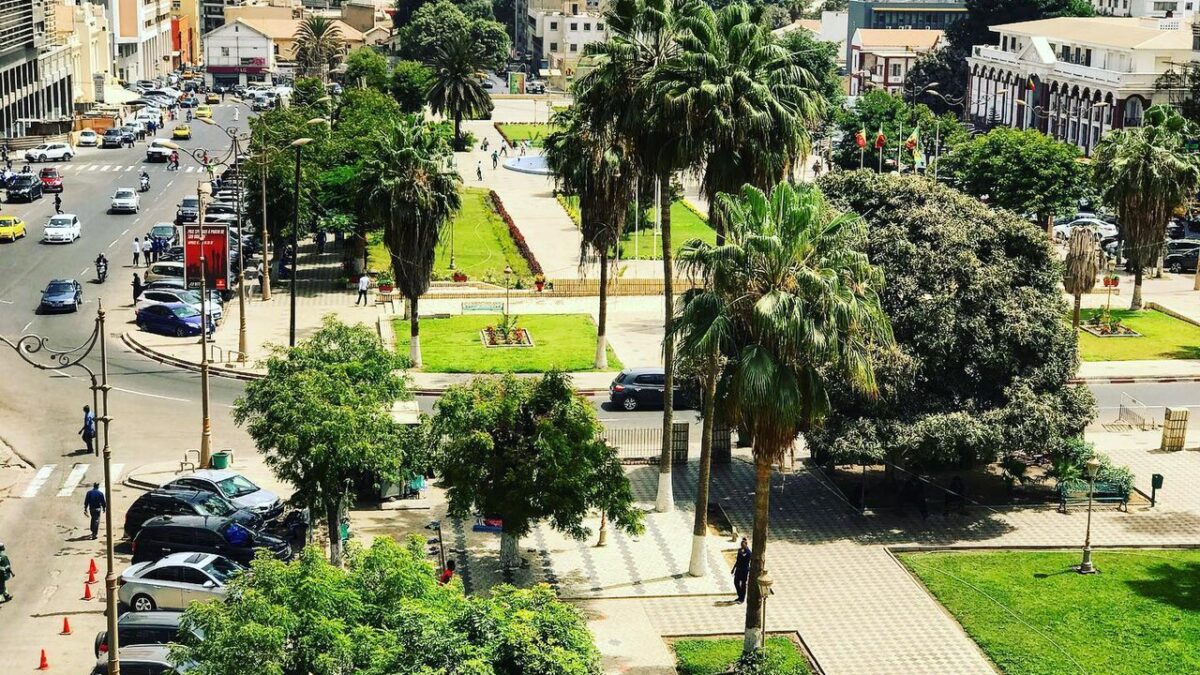
Dakar: Sahel’s Coastal Crossroads
Why Visit Dakar?
Dakar offers a compelling blend of West African vibrancy, historical depth, and coastal charm for the discerning traveler in 2026. This Dakar travel guide highlights its accessible appeal, with daily costs ranging from $75 for budget travelers to $670 for luxury experiences. Explore diverse neighborhoods, savor unique cuisine, and craft an unforgettable itinerary.
The city’s unique position on the Cap-Vert Peninsula provides a dramatic Atlantic backdrop, while its role as Senegal’s capital ensures a dynamic cultural and political pulse. Visitors can immerse themselves in a rich tapestry of art, music, and history, from bustling markets to serene memorials, all within a manageable urban footprint that makes it an excellent introduction to the region, as detailed in our complete Africa travel guides.
Who This Guide Is For
This comprehensive Dakar travel guide is tailored for first-time visitors planning a 3-7 day trip seeking an authentic cultural immersion. It is particularly suited for travelers interested in local cuisine, historical sites, and vibrant urban exploration, who are working with a mid-range budget but appreciate practical advice for all spending levels.
Average Travel Cost in Dakar
The following table outlines the estimated daily expenses for a traveler in Dakar, utilizing the current exchange rate of 1 USD = 615 XOF. These figures are based on verified data for 2026 and are intended to provide a practical framework for budgeting.
| Category | Budget | Mid-Range | Luxury |
|---|---|---|---|
| Accommodation | $30 | $100 | $300 |
| Food | $20 | $50 | $150 |
| Transport | $10 | $30 | $70 |
| Attractions | $5 | $25 | $100 |
| Misc | $10 | $20 | $50 |
| Daily Total | $75 | $225 | $670 |
Estimated total costs for common trip durations are as follows:
* 3-Day Trip: Budget: $225 | Mid-Range: $675 | Luxury: $2010
* 7-Day Trip: Budget: $525 | Mid-Range: $1575 | Luxury: $4690
When considering accommodation, opting for an Airbnb-style rental can offer significant savings compared to traditional hotels, particularly for longer stays or for groups. While hotels provide amenities and services, apartments often grant more space and kitchen facilities, reducing food expenses. For instance, a week-long stay in a mid-range Airbnb might cost $500, whereas a comparable hotel could easily reach $700-$800.
Prices for travel services and accommodation can fluctuate seasonally. The peak season, generally from November to February, sees higher demand and consequently increased costs for flights and lodging. Shoulder seasons (March-May, September-October) offer a balance between favorable weather and more moderate pricing. The off-season (June-August) typically presents the lowest prices but coincides with the rainy season, which may impact outdoor activities. Tipping is customary, with 10% expected at restaurants for satisfactory service.
Where to Stay in Dakar
1. Almadies
Almadies is known for its upscale atmosphere, beachfront hotels, and vibrant nightlife. It is a popular district for business travelers and those seeking a more resort-like experience.
* Price Range: Budget: $40-$70 | Mid-Range: $100-$200
* Best For: Luxury travelers, nightlife enthusiasts, those who prefer a resort feel.
* Insider Tip: While many beachfront properties are expensive, explore the side streets for guesthouses offering comparable proximity at a lower cost.
2. Plateau
The Plateau is Dakar’s central business district and historical heart, characterized by colonial-era architecture, government buildings, and a concentration of cultural institutions. It is convenient for accessing many city attractions and administrative offices.
* Price Range: Budget: $35-$60 | Mid-Range: $80-$150
* Best For: First-time visitors, culture enthusiasts, business travelers.
* Insider Tip: Look for boutique hotels or serviced apartments in Plateau for a blend of convenience and character, often within walking distance of key sites.
3. Ngor Island
Ngor Island, a short boat ride from the mainland, offers a tranquil escape with sandy beaches and a more laid-back, bohemian vibe. It is a favored spot for artists and surfers.
* Price Range: Budget: $30-$50 (guesthouses) | Mid-Range: $70-$120 (small hotels)
* Best For: Budget travelers, surfers, those seeking a relaxed atmosphere away from the city bustle.
* Insider Tip: Arrange your transport from the mainland in advance, especially if arriving late, to ensure a smooth transfer to the island.
Best Things to Do in Dakar
Musée des Civilisations Noires
This striking museum is dedicated to the art and history of African civilizations and their diaspora, offering a comprehensive and visually stunning exploration of the continent’s rich heritage.
* Average Ticket Price: 5,000 XOF (approx. $8)
* Best Time to Visit: Weekdays during morning hours to avoid peak visitor times.
* Insider Tip: Allocate at least three hours to fully appreciate the diverse exhibits; consider visiting on a less crowded weekday.
Monument de la Renaissance Africaine
A colossal bronze statue symbolizing the rebirth of Africa, this monument offers panoramic views of Dakar and the Atlantic Ocean from its observation deck.
* Average Ticket Price: 3,000 XOF (approx. $5) for access to the statue and grounds.
* Best Time to Visit: Late afternoon for sunset views and cooler temperatures.
* Insider Tip: The ascent to the top can be crowded; consider visiting during weekdays or early in the morning.
Île de Gorée (Goree Island)
A UNESCO World Heritage site, Goree Island is a poignant historical landmark, serving as a former center of the Atlantic slave trade. Its “House of Slaves” is a somber reminder of this past.
* Average Ticket Price: Ferry ticket is approximately 5,000 XOF (approx. $8) round trip; island entry is free.
* Best Time to Visit: Early morning to experience the island before large tour groups arrive.
* Insider Tip: Engage with local guides on the island for deeper historical context; agree on a price beforehand.
Marché Kermel
This historic, wrought-iron market hall is a vibrant hub for local produce, crafts, and textiles, offering a sensory immersion into Senegalese daily life.
* Average Ticket Price: Free to enter; prices vary for purchases.
* Best Time to Visit: Morning hours when the market is most active and produce is freshest.
* Insider Tip: Practice your bargaining skills politely, and be prepared for a lively and sometimes crowded environment.
Lac Rose (Retba Lake)
Famous for its pink hue caused by dunaliella salina algae, Lac Rose is a unique natural wonder where salt is harvested by local workers.
* Average Ticket Price: 5,000 XOF (approx. $8) for a guided tour of salt harvesting.
* Best Time to Visit: Dry season (November-May) for the most intense pink coloration.
* Insider Tip: Visit during the dry season when the salt harvesters are most active, offering a more authentic experience.
Grand Mosque of Dakar
A prominent landmark of the city, the Grand Mosque is an impressive example of modern Islamic architecture and a significant spiritual center for the community.
* Average Ticket Price: Free to enter for visitors outside of prayer times. Modest dress is required.
* Best Time to Visit: Outside of prayer times, typically mid-morning or early afternoon.
* Insider Tip: Respectful attire is essential; women should cover their heads and shoulders, and men should wear long trousers.
Where to Eat in Dakar
* Cuisine Type: Senegalese (Thieboudienne)
* Price Range: 3,000-8,000 XOF ($5-$13) per meal
* What to Order: Thieboudienne (fish and rice), Yassa Poulet (chicken with lemon and onions).
* Location Tip: Seek out smaller, local restaurants (dibiteries) in neighborhoods like Grand Dakar for authentic flavors.
* Cuisine Type: Seafood (Grillades)
* Price Range: 5,000-15,000 XOF ($8-$25) per meal
* What to Order: Grilled fish (dorade, sole), Prawns (crevettes).
* Location Tip: Restaurants along the Corniche or in Almadies offer fresh catches with ocean views.
* Cuisine Type: International/Fusion
* Price Range: 8,000-20,000 XOF ($13-$33) per meal
* What to Order: Varied menus featuring European and Asian influences.
* Location Tip: Plateau and Almadies districts host numerous restaurants catering to diverse palates.
* Cuisine Type: Street Food
* Price Range: 500-2,000 XOF ($0.80-$3.25) per item
* What to Order: Brochettes (kebabs), Fataya (fried pastries), Thiakry (millet dessert).
* Location Tip: Look for street vendors in busy areas like Sandaga Market or around the central bus stations.
3-Day Dakar Itinerary
Day 1
* Evening: Arrive at Blaise Diagne International Airport (DSS) and transfer to your accommodation. Settle in and then head to the Plateau district for dinner at a restaurant serving traditional Senegalese cuisine. Afterward, experience Dakar’s nightlife with a visit to a live music venue.
* Estimated Daily Cost: $150 (Mid-Range focus, assuming airport transfer and dinner)
Day 2
* Morning: Begin your day with a visit to the Musée des Civilisations Noires to explore African art and history. Following this, take a ferry to Île de Gorée to reflect on its historical significance.
* Afternoon: Explore the charming streets of Île de Gorée, visit the House of Slaves, and enjoy lunch at a local restaurant on the island.
* Evening: Return to the mainland and enjoy a sunset walk along the Corniche. Have dinner at a seafood restaurant in Almadies.
* Estimated Daily Cost: $250 (Mid-Range focus, including ferry, museum, meals)
Day 3
* Morning: Visit the striking Monument de la Renaissance Africaine for panoramic city views. Afterward, explore the vibrant stalls of Marché Kermel for local crafts and produce.
* Afternoon: Take a day trip to Lac Rose (Retba Lake) to witness its unique pink waters and observe the salt harvesting process.
* Evening: Enjoy a final Senegalese dinner, perhaps trying some street food specialties, before preparing for departure or continuing your travels.
* Estimated Daily Cost: $200 (Mid-Range focus, including transport to Lac Rose, meals)
Transportation Guide
Getting from Blaise Diagne International Airport (DSS) to the city center typically involves taxis or pre-booked shuttles, with costs ranging from $30-$50 for a private taxi. Public transportation within Dakar includes “Ndiaga Ndiaye” (minibuses) and “Tata” buses, which are very affordable ($0.50-$1 per ride) but can be crowded and follow less predictable routes. Taxis are readily available and a convenient option; agree on a fare before starting your journey or ensure the meter is used. Ridesharing apps are operational but may have limited availability in certain areas.
Money-Saving Tips
Pro Tip 1: Utilize local markets like Sandaga for souvenirs and daily necessities. Bargaining is expected; aim for a discount of 10-20% off the initial asking price for non-food items.
Pro Tip 2: For meals, prioritize local eateries (“dibiteries” for grilled meats, small restaurants for Thieboudienne) which offer authentic flavors at significantly lower prices, often under $10 per meal, compared to tourist-oriented establishments.
Pro Tip 3: Public transport, specifically the Ndiaga Ndiaye minibuses, can reduce daily transport costs to under $5, though they require a greater tolerance for crowded conditions and less direct routes.
Common Travel Mistakes
Mistake 1: Underestimating the heat and humidity, especially during the warmer months. Travelers should always carry water, wear light clothing, and seek shade during peak sun hours to avoid heatstroke and dehydration.
Mistake 2: Not agreeing on taxi fares before starting a journey. This can lead to inflated charges; always confirm the price with the driver beforehand or insist on using the meter if available.
Frequently Asked Questions
How much money do you need for 3 days in Dakar?
For a 3-day trip to Dakar, budget travelers can expect to spend around $225, covering basic accommodation, local food, and essential transport. Mid-range travelers should budget approximately $675, allowing for more comfortable lodging, varied dining, and organized tours. Luxury travelers can anticipate costs of $2010 or more.
Is Dakar expensive for tourists?
Dakar’s cost of travel is moderate, falling between that of some Western African capitals and more budget-friendly destinations. While luxury options exist, budget and mid-range travel are entirely feasible. For comparison, a similar 3-day trip in Cairo might be slightly less expensive, while Muscat tends to be pricier.
What is the best area to stay in Dakar?
The best area to stay depends on your priorities. The Plateau is ideal for first-time visitors and business travelers due to its central location and historical sites. Almadies offers a more upscale experience with resorts and nightlife, while Ngor Island provides a tranquil escape for those seeking relaxation.
Can you visit Dakar without a car?
Yes, it is entirely possible to visit Dakar without a car. The city has a functional public transportation system, including buses and minibuses, and taxis are widely available for hire. Many key attractions within the city are also accessible on foot or via short taxi rides.
What is the cheapest month to visit Dakar?
The cheapest month to visit Dakar is generally during the off-season, which typically falls between June and August. This period coincides with the rainy season, leading to lower demand for accommodation and flights. However, travelers should be prepared for higher humidity and potential rainfall.

Kai has visited 60+ countries across 6 continents, with a obsession for one thing most travelers ignore: the real cost of getting there. Former budget backpacker turned data-driven travel writer, Kai breaks down destination costs so you can plan smarter — not just dream bigger. Based everywhere, from nowhere in particular.