Luxor on a Budget: 5 Days Under $500
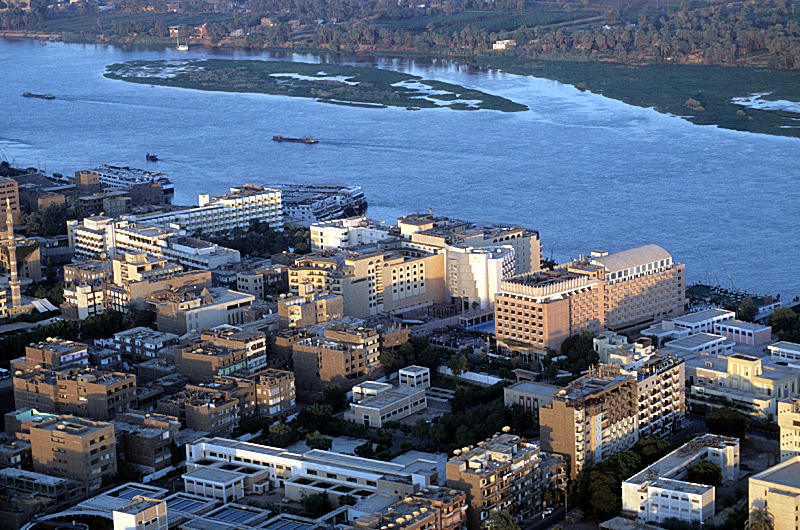
Why Visit Luxor?
Luxor offers an unparalleled immersion into ancient Egyptian civilization, with costs starting from $60 daily for budget travelers. This Luxor travel guide details itineraries, neighborhoods like Karnak and the West Bank, and authentic culinary experiences. Visiting Luxor provides direct access to millennia-old wonders, from monumental temples to intricate tombs, offering profound historical and cultural insights for every traveler.
The city, once the ancient capital of Thebes, serves as a living museum, housing a significant portion of Egypt’s most iconic archaeological sites. Its strategic location on the Nile River has shaped its history and continues to be central to its appeal, offering both historical exploration and scenic riverine beauty. Understanding the logistics, from accommodation options to transportation, is key to maximizing a visit, and this guide provides that essential data for 2026.
Who This Guide Is For
This guide is designed for first-time visitors planning a 3-5 day trip to Luxor, seeking a balanced experience of historical sites and local culture. It caters to travelers with a mid-range budget of approximately $195 per day, but also provides practical advice for those aiming for budget-conscious travel under $80 daily. Families and solo travelers alike will find actionable information for an enriching exploration.
Average Travel Cost in Luxor
Understanding the financial commitment for a trip to Luxor is crucial for effective planning. The following table outlines estimated daily expenses across different budget categories, based on current exchange rates and verified travel data.
| Category | Budget | Mid-Range | Luxury |
|---|---|---|---|
| Accommodation | $25 | $70 | $200 |
| Food | $15 | $40 | $100 |
| Transport | $5 | $20 | $75 |
| Attractions | $10 | $50 | $150 |
| Misc | $5 | $15 | $50 |
| Daily Total | $60 | $195 | $575 |
Estimated total costs for common trip durations are as follows:
* 3-Day Trip:
* Budget: $180
* Mid-Range: $585
* Luxury: $1725
* 7-Day Trip:
* Budget: $420
* Mid-Range: $1365
* Luxury: $4025
For accommodation, opting for an Airbnb-style apartment or guesthouse can offer savings compared to traditional hotels, especially for longer stays. While a mid-range hotel might cost $70 per night, a comparable Airbnb could be found for $40-$50, leading to a potential saving of $20-$30 per night. This difference becomes significant over a week-long trip.
Seasonal price fluctuations are notable. The peak season, from October to April, sees higher demand and consequently increased prices for accommodation and flights. Shoulder seasons (late September, May) offer a balance of pleasant weather and slightly lower costs. Off-season, particularly during the hotter summer months (June-August), presents the lowest prices but requires adaptation to extreme heat.
Where to Stay in Luxor
Choosing the right neighborhood significantly impacts the Luxor experience. Each area offers distinct advantages, catering to different traveler preferences and budgets.
* Karnak: This area is dominated by the magnificent Karnak Temple Complex. It’s known for its proximity to one of the largest religious sites in the world and offers a sense of being immersed in ancient history.
* Price Range (per night): Budget $20-$35, Mid-Range $50-$80
* Best for: History enthusiasts, those prioritizing easy access to Karnak Temple.
* Insider Tip: Stay on the eastern side of the Nile for easier access to Karnak and Luxor Temples, but be prepared for slightly longer travel to West Bank sites.
* West Bank (Gourna and Deir el-Bahari vicinity): This is the necropolis of ancient Thebes, home to the Valley of the Kings, Valley of the Queens, and Hatshepsut’s Temple. It offers a quieter, more rural atmosphere compared to the East Bank.
* Price Range (per night): Budget $25-$40, Mid-Range $60-$90
* Best for: Travelers seeking a tranquil base, those focused on tombs and mortuary temples.
* Insider Tip: Guesthouses on the West Bank often provide a more personal and authentic experience, with many offering home-cooked meals.
* Luxor City Center (East Bank): This is the bustling heart of modern Luxor, located between Luxor Temple and Karnak Temple. It offers a wide range of hotels, restaurants, shops, and easy access to the Corniche and ferry services.
* Price Range (per night): Budget $30-$50, Mid-Range $70-$120
* Best for: Travelers who prefer convenience, access to amenities, and a lively atmosphere.
* Insider Tip: Staying near the Luxor Corniche provides pleasant views of the Nile and easy access to public transportation and river cruises.
Best Things to Do in Luxor
Luxor’s attractions are primarily focused on its unparalleled collection of ancient Egyptian monuments. These sites offer profound insights into the religious beliefs, architectural prowess, and daily life of past civilizations.
Valley of the Kings
This iconic site on the West Bank is the burial place of pharaohs from the New Kingdom period. Its subterranean tombs, adorned with intricate hieroglyphs and vibrant paintings, provide a glimpse into ancient Egyptian funerary practices and beliefs about the afterlife.
* Average ticket price: $15 (includes entry to 3 tombs; special tickets required for Tutankhamun’s and Seti I’s tombs)
* Best time to visit: Early morning (7:00 AM – 9:00 AM) to avoid crowds and heat.
* Insider Tip: Purchase your ticket at the ticket office outside the main site to avoid queues at individual tomb entrances. Focus on tombs known for their preservation of color, such as KV11 (Ramses III) or KV9 (Horemheb).
Karnak Temple Complex
The largest religious building ever constructed, Karnak is a vast complex of temples, chapels, pylons, and obelisks dedicated to the Theban gods. Its sheer scale and the evolution of its construction over 2,000 years make it a testament to ancient Egyptian architectural and religious devotion.
* Average ticket price: $10
* Best time to visit: Late afternoon for atmospheric lighting and fewer tour groups, or early morning.
* Insider Tip: Hire a licensed guide at the entrance for a more in-depth understanding of the complex’s history and symbolism. The Hypostyle Hall is particularly awe-inspiring.
Luxor Temple
Located in the heart of the city on the East Bank, Luxor Temple is renowned for its grandeur and its unique blend of Egyptian, Greek, and Roman influences. It was primarily built by Amenhotep III and Ramses II and is particularly stunning when illuminated at night.
* Average ticket price: $8
* Best time to visit: Evening, after sunset, when the temple is dramatically lit.
* Insider Tip: Visit during the day to appreciate the daytime architecture, then return in the evening for a completely different, magical perspective.
Temple of Hatshepsut (Deir el-Bahari)
This striking mortuary temple, carved into the cliffs of Deir el-Bahari, is one of the most architecturally unique structures in Egypt. It was built for Pharaoh Hatshepsut, one of the few female pharaohs, and features impressive terraced design and colonnades.
* Average ticket price: Included in West Bank pass or $8 individually.
* Best time to visit: Morning, before the midday sun becomes too intense.
* Insider Tip: The temple’s upper terrace offers panoramic views of the surrounding cliffs and the Nile Valley. Consider visiting early to experience its majesty in relative quiet.
Colossi of Memnon
These two colossal stone statues of Pharaoh Amenhotep III once guarded his mortuary temple, which has since been destroyed. Standing guard over the West Bank, they are impressive remnants of a once-magnificent structure and offer a striking visual impact.
* Average ticket price: Free
* Best time to visit: Any time of day.
* Insider Tip: These statues are often the first major stop on West Bank tours. They serve as a good orientation point before heading to other sites.
Medinet Habu
This mortuary temple complex of Ramses III is one of the best-preserved and largest temples in the West Bank. Its massive pylons, courtyards, and well-preserved reliefs depicting military victories offer a vivid account of the period.
* Average ticket price: Included in West Bank pass or $6 individually.
* Best time to visit: Mid-morning to early afternoon, when the sun illuminates the colorful reliefs.
* Insider Tip: This site is often less crowded than the Valley of the Kings, allowing for a more relaxed exploration of its detailed carvings and impressive scale.
Where to Eat in Luxor
Luxor’s culinary scene offers a range of experiences, from refined dining to authentic local eateries. Exploring these options provides a delicious complement to the historical journey.
* Fine Dining:
* Cuisine: International and Egyptian fusion
* Price Range: $30-$60 per meal
* What to Order: Grilled Nile perch, lamb tagine, selection of meze.
* Location Tip: Many upscale restaurants are located within hotels along the Corniche, offering Nile views.
* Traditional Egyptian Cuisine:
* Cuisine: Authentic Egyptian dishes
* Price Range: $10-$25 per meal
* What to Order: Koshary, Molokhia, Fattah, Mahshi (stuffed vegetables).
* Location Tip: Seek out local restaurants slightly off the main tourist streets for more authentic flavors and better value.
* Street Food/Casual Eateries:
* Cuisine: Fast Egyptian bites, grilled meats, falafel
* Price Range: $3-$8 per meal
* What to Order: Ta’ameya (Egyptian falafel), shawarma, grilled kofta sandwiches.
* Location Tip: Explore the souks (markets) for a vibrant array of street food vendors, offering quick and flavorful options.
* Nile-side Cafes:
* Cuisine: Light meals, snacks, and beverages
* Price Range: $8-$15 per meal
* What to Order: Fresh juices, Egyptian tea, light sandwiches, pastries.
* Location Tip: Many cafes along the Corniche offer comfortable seating with views of the Nile, perfect for a relaxing break.
3-Day Luxor Itinerary
This itinerary balances iconic sites with cultural immersion, designed for a comprehensive yet manageable exploration of Luxor.
Day 1
* Morning: Begin on the West Bank with an early visit to the Valley of the Kings (arrive by 7:00 AM). Explore 3-4 tombs, focusing on those with well-preserved art.
* Afternoon: Visit the Temple of Hatshepsut and the Colossi of Memnon. Enjoy lunch at a local restaurant on the West Bank.
* Evening: Return to the East Bank. Experience the magical Luxor Temple illuminated at night. Have dinner at a restaurant along the Corniche.
* Estimated Daily Cost: $80 (Budget: $60, Mid-Range: $195)
Day 2
* Morning: Dedicate the morning to the colossal Karnak Temple Complex. Allow at least 3-4 hours to explore its vastness, ideally with a guide.
* Afternoon: Visit Medinet Habu, known for its well-preserved reliefs and manageable crowds. Afterwards, explore the local souk for souvenirs and a taste of local life.
* Evening: Take a felucca ride on the Nile at sunset for a tranquil experience. Enjoy dinner at a traditional Egyptian restaurant.
* Estimated Daily Cost: $70 (Budget: $50, Mid-Range: $175)
Day 3
* Morning: Visit the Luxor Museum to see a curated collection of artifacts from the area, providing context for the monumental sites.
* Afternoon: Consider a visit to the Mummification Museum for a unique insight into ancient preservation techniques or explore the Valley of the Queens if time and interest permit. Alternatively, enjoy a leisurely afternoon by the Nile.
* Evening: Depart from Luxor or enjoy a final Egyptian dinner.
* Estimated Daily Cost: $50 (Budget: $40, Mid-Range: $120)
Transportation Guide
Navigating Luxor is straightforward, with several options available for visitors.
* Airport Transfer: Luxor International Airport (LXR) is approximately 8 km (5 miles) east of the city center. Taxis are readily available. Negotiate the fare before starting your journey, or arrange a transfer through your accommodation. Expect to pay approximately $10-$15 for a taxi to the city center.
* Public Transit: Within Luxor, the primary public transport is microbuses and taxis. Microbuses are very inexpensive but can be crowded and follow fixed routes. Taxis are more convenient; ensure the meter is used or agree on a fare beforehand.
* Rideshare: While ride-sharing apps like Uber are not as prevalent as in Cairo, they are sometimes available and can offer competitive pricing. It’s advisable to check app availability upon arrival.
* Ferries: A public ferry operates between the East Bank and West Bank, offering a cheap and scenic way to cross the Nile. The cost is nominal, around $0.50-$1 per person.
* Horse-drawn Carriages (Caleches): These are a traditional way to see parts of the city, particularly the Corniche and Luxor Temple. Negotiate the price and duration of the ride carefully.
* Walking: Many attractions on the East Bank, such as Luxor Temple and the Corniche, are walkable. The West Bank sites are more spread out and require separate transport.
Money-Saving Tips
Pro Tip 1: Purchase a Luxor Pass if you plan to visit many sites within a 1-3 day period. It costs approximately $100 for standard access and $150 for premium access, which can be significantly cheaper than individual tickets for 10+ attractions.
Pro Tip 2: Eat at local restaurants away from the main tourist strips. Dishes like koshary or grilled meats from smaller, family-run establishments can cost as little as $3-$8, compared to $15-$25 in tourist-oriented venues.
Pro Tip 3: Utilize the public ferry for crossing the Nile between the East and West Banks. This mode of transport costs less than $1 per trip, offering substantial savings over private boat hires if you are crossing multiple times.
Common Travel Mistakes
Mistake 1: Not negotiating prices for taxis, carriages, or souvenirs. Prices are often inflated for tourists. Always agree on a price before committing to a service or purchase to avoid overpaying.
Mistake 2: Underestimating the heat and sun exposure, especially when visiting the West Bank sites. Visitors often fail to carry adequate water, sunscreen, and headwear, leading to discomfort and potential heatstroke. Plan visits to outdoor sites for early morning or late afternoon.
Frequently Asked Questions
How much money do you need for 3 days in Luxor?
For a 3-day trip to Luxor, budget travelers can expect to spend around $180, covering basic accommodation, local food, transport, and entry to a few key sites. Mid-range travelers should budget approximately $585 for a more comfortable experience with better hotels and more activities. Luxury travelers can anticipate spending upwards of $1725 for premium accommodations and exclusive experiences.
Is Luxor expensive for tourists?
Compared to some major European or North American destinations, Luxor is not considered expensive, especially for budget and mid-range travelers. The daily cost can be as low as $60 for budget travelers, with accommodation being the most variable expense. While luxury options exist, accessible local food and public transport keep overall costs manageable.
What is the best area to stay in Luxor?
The best area to stay in Luxor depends on your priorities. The West Bank offers tranquility and proximity to tombs and mortuary temples, ideal for history buffs. The East Bank’s City Center provides convenience and access to amenities, suitable for those who prefer a lively atmosphere. The Karnak area is excellent for direct access to the Karnak Temple Complex.
Can you visit Luxor without a car?
Yes, Luxor is easily navigable without a car. Public ferries, taxis, microbuses, and organized tours are readily available for getting around. For the West Bank sites, hiring a taxi for the day or joining a tour group is a common and practical approach. Rideshare apps may also offer some utility.
What is the cheapest month to visit Luxor?
The cheapest months to visit Luxor are typically during the off-season, which coincides with the hottest months: June, July, and August. While prices for accommodation and flights are significantly lower during this period, visitors must be prepared for extreme heat, with daytime temperatures often exceeding 40°C (104°F). Shoulder seasons like May and September offer a better balance of cost and comfort.

Kai has visited 60+ countries across 6 continents, with a obsession for one thing most travelers ignore: the real cost of getting there. Former budget backpacker turned data-driven travel writer, Kai breaks down destination costs so you can plan smarter — not just dream bigger. Based everywhere, from nowhere in particular.