Beijing vs Shanghai: Which City Should You Visit?
Choosing between Beijing and Shanghai is a quintessential dilemma for any traveler exploring China. While both are megacities offering a glimpse into the nation’s dynamism, they cater to distinctly different preferences. For those seeking an immersion in China’s rich imperial past and a deep dive into traditional culture, Beijing reigns supreme. Conversely, if a modern, cosmopolitan metropolis with a vibrant international flair and a futuristic skyline is your aim, Shanghai is the undeniable choice. This comparison will delve into the nuances of each city to help you decide which aligns best with your travel aspirations.
Cost Comparison
| Category | Beijing (USD) | Shanghai (USD) |
|---|---|---|
| Accommodation (Mid-range Hotel per night) | $70 – $150 | $80 – $170 |
| Food (Per day, mix of local and mid-range) | $30 – $60 | $40 – $70 |
| Transport (Per day, metro/bus) | $5 – $10 | $7 – $12 |
| Activities (Per day, entrance fees) | $20 – $50 | $25 – $60 |
| Daily Total (Estimate) | $125 – $270 | $152 – $312 |
Atmosphere & Culture
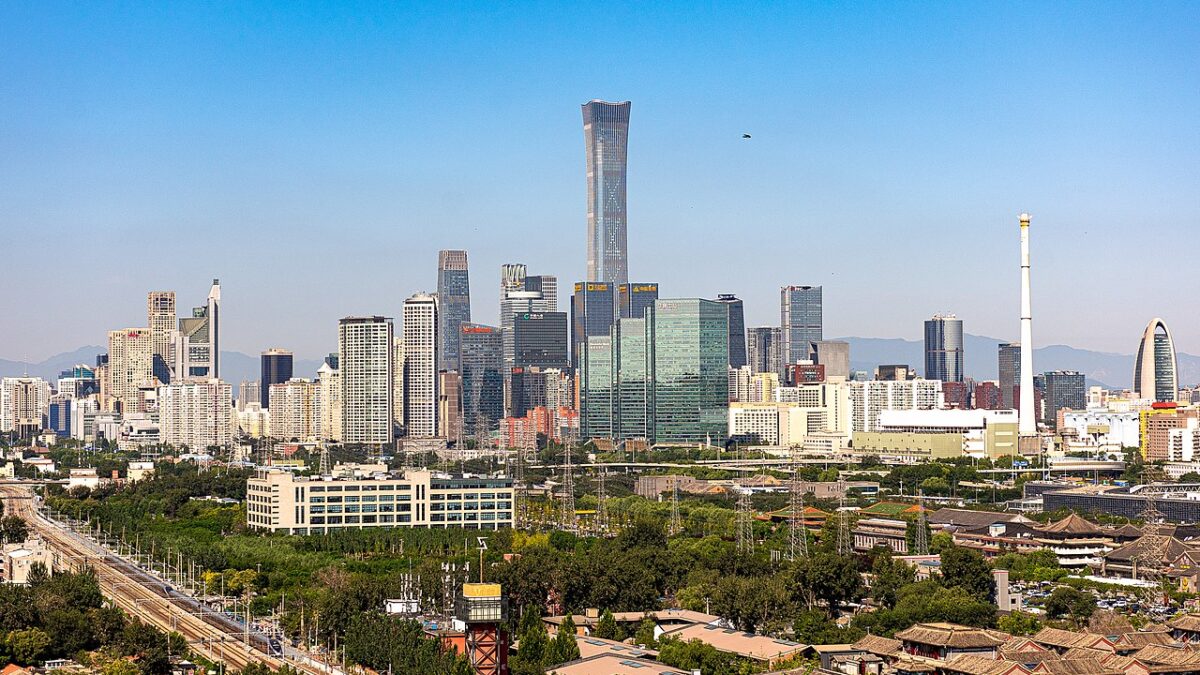
Beijing pulses with the weight of history. As the imperial capital for centuries, its atmosphere is steeped in tradition and grandeur. The city’s layout, with its concentric rings and grand avenues, reflects its historical significance. Architecture ranges from the imposing Forbidden City and the vastness of Tiananmen Square to the charming hutongs (narrow alleyways) that offer a glimpse into traditional courtyard living. The pace of life, while busy, can feel more measured than Shanghai’s relentless forward march. Local culture is deeply rooted in Han Chinese traditions, evident in its opera, calligraphy, and the pervasive respect for history.
Shanghai, in contrast, is the epitome of modernity and internationalism. Its skyline is a testament to rapid development, dominated by the futuristic Pudong district. The Bund, a waterfront promenade, showcases a stunning juxtaposition of colonial-era buildings and towering skyscrapers. The city’s atmosphere is energetic, fast-paced, and cosmopolitan, drawing influences from its colonial past and its status as a global financial hub. French Concession offers a charming European ambiance with tree-lined streets and historic villas. Shanghai’s culture is a vibrant fusion of East and West, reflected in its art scene, fashion, and a more open, globalized outlook.
Things to Do
Here’s a side-by-side look at top attractions:
| Category | Beijing | Shanghai |
|---|---|---|
| Historical Landmark | The Forbidden City: Explore the vast imperial palace complex, the former home of emperors. | The Bund: Stroll along the waterfront for iconic views of historic colonial architecture and the modern Pudong skyline. |
| Cultural Immersion | Great Wall of China (Mutianyu or Badaling section): An iconic symbol of China’s history and engineering prowess. | Yu Garden: A classical Chinese garden offering tranquility amidst the bustling city, with traditional pavilions and rockeries. |
| Unique Experience | Hutong Tour: Wander through ancient alleyways by rickshaw, visit local homes, and experience traditional Beijing life. | French Concession: Explore charming streets with European-style architecture, boutiques, and cafes. |
Food Scene
Beijing’s culinary scene is anchored by its imperial heritage and Northern Chinese flavors. The undisputed king is Peking Duck, a succulent roast duck served with thin pancakes, scallions, and hoisin sauce. Other must-tries include Zhajiangmian (fried sauce noodles), Jiaozi (dumplings), and various lamb dishes. The price range for a meal can vary from very affordable street food and local eateries ($5-$15) to more upscale restaurants ($30-$70+).
Shanghai boasts a diverse and sophisticated food scene, influenced by its coastal location and international population. Xiaolongbao (soup dumplings) are a quintessential Shanghai delicacy, offering a burst of savory broth with every bite. Other highlights include Hongshao Rou (braised pork belly), Shengjianbao (pan-fried pork buns), and a wide array of seafood. Shanghai’s food scene offers a vast spectrum, from budget-friendly street food and local noodle shops ($8-$20) to world-class fine dining establishments ($50-$150+).
Best For…
- Budget travelers: Beijing often offers slightly more affordable options, especially for food and local transport.
- Foodies: Both cities are culinary powerhouses, but Shanghai’s diverse international influences and delicate Shanghainese cuisine might edge it for some.
- History lovers: Beijing is unparalleled, with its imperial palaces, ancient temples, and the Great Wall.
- Nightlife: Shanghai’s vibrant bar and club scene, especially in areas like Xintiandi and the Bund, offers more variety and international appeal.
- Families: Both cities have attractions suitable for families, but Shanghai’s more modern infrastructure and amusement parks might offer a slight advantage for younger children.
Our Verdict
For travelers prioritizing historical depth and traditional Chinese culture, Beijing is the clear winner. If a dynamic, modern, and internationally-influenced urban experience with a dazzling skyline is preferred, Shanghai is the superior choice. Both cities offer exceptional travel experiences, but the decision hinges on whether your heart beats for the ancient past or the pulsating present.
To plan your trip, consult the Beijing travel guide and the Shanghai travel guide.

Kai has visited 60+ countries across 6 continents, with a obsession for one thing most travelers ignore: the real cost of getting there. Former budget backpacker turned data-driven travel writer, Kai breaks down destination costs so you can plan smarter — not just dream bigger. Based everywhere, from nowhere in particular.