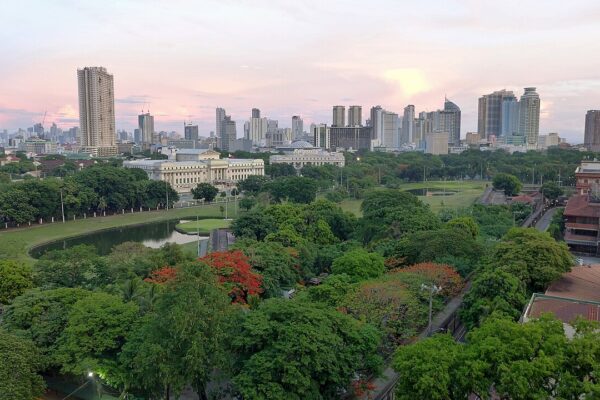
Hanoi vs Ho Chi Minh City: Which City Should You Visit?
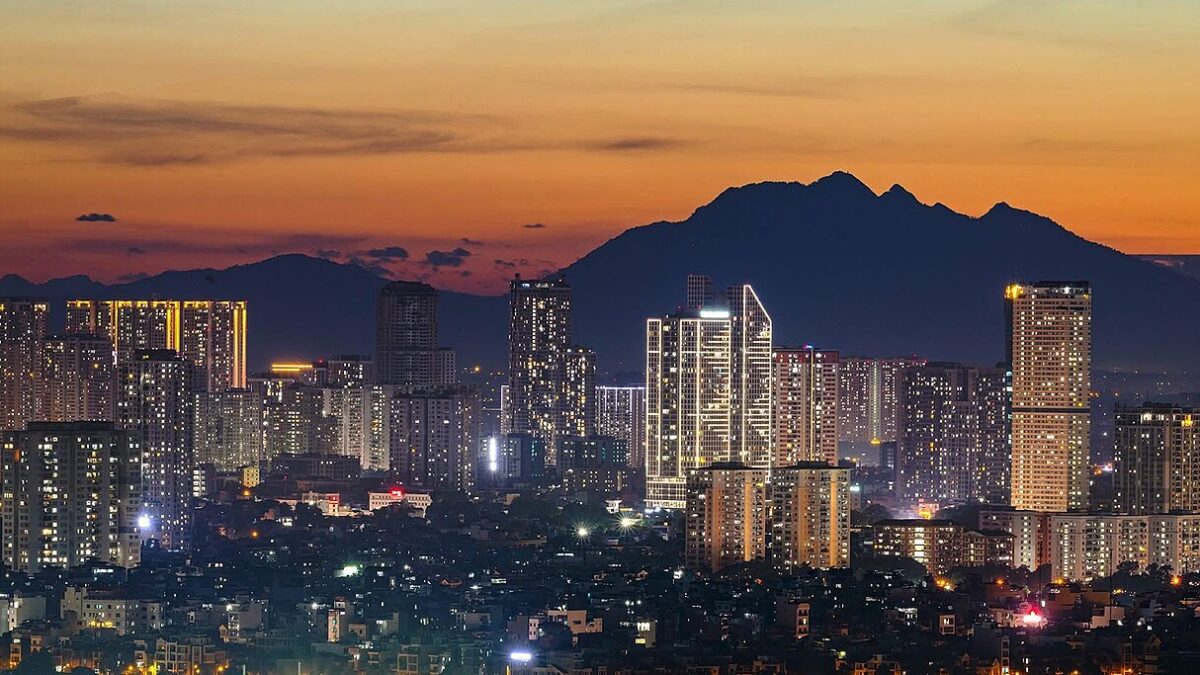
For the traveler seeking a more traditional and historically rich Vietnamese experience, Hanoi emerges as the clear winner. Conversely, those drawn to a dynamic, modern metropolis with a bustling energy and a more Westernized feel will find Ho Chi Minh City to be their preferred destination.
Cost Comparison
| Category | Hanoi | Ho Chi Minh City |
|---|---|---|
| Accommodation (Budget Hostel) | $5 – $15 | $8 – $20 |
| Accommodation (Mid-Range Hotel) | $30 – $70 | $40 – $90 |
| Food (Street Food Meal) | $1 – $3 | $1.5 – $4 |
| Food (Mid-Range Restaurant) | $10 – $25 | $15 – $30 |
| Transport (Local Bus/Grab) | $0.5 – $2 per trip | $1 – $3 per trip |
| Activities (Entry Fees) | $2 – $10 | $3 – $15 |
| Daily Total (Budget Traveler) | $20 – $40 | $25 – $50 |
| Daily Total (Mid-Range Traveler) | $60 – $120 | $70 – $150 |
Atmosphere & Culture
Hanoi, the capital of Vietnam, exudes an old-world charm and a palpable sense of history. The city’s pace is significantly slower and more relaxed than its southern counterpart, allowing visitors to truly immerse themselves in the local way of life. The Old Quarter, with its labyrinthine streets and traditional shophouses, is the heart of the city’s authentic atmosphere. French colonial architecture is prevalent, adding a sophisticated layer to the urban landscape. The culture here is deeply rooted in tradition, evident in the numerous temples, pagodas, and the preservation of ancient customs. It is a city that encourages contemplative exploration.
Ho Chi Minh City, formerly Saigon, is a sprawling metropolis that pulses with an undeniable energy. It is Vietnam’s economic powerhouse and a city that embraces modernity with open arms. The pace of life is frenetic, characterized by a constant flow of motorbikes and a relentless drive towards progress. While French colonial influences are present, they are often overshadowed by more contemporary structures. The culture here is more cosmopolitan and dynamic, with a blend of traditional Vietnamese values and a significant Western influence. It is a city that invigorates and stimulates the senses.
Things to Do
Hanoi Highlights
- Hoan Kiem Lake & Ngoc Son Temple: A serene oasis in the heart of the city, perfect for a leisurely stroll and a visit to the picturesque temple on the island.
- Old Quarter Exploration: Get lost in the maze of narrow streets, each specializing in a different trade, and soak in the vibrant street life and traditional architecture.
- Water Puppet Theatre: Experience a unique and traditional Vietnamese art form, telling ancient folk tales through intricate puppet performances on water.
Ho Chi Minh City Highlights
- War Remnants Museum: A poignant and impactful museum detailing the Vietnam War from a Vietnamese perspective, offering a crucial historical understanding.
- Cu Chi Tunnels: Explore the intricate underground network used by the Viet Cong during the war, providing a fascinating glimpse into wartime strategies.
- Ben Thanh Market: A bustling central market offering a vast array of goods, from souvenirs and clothing to local delicacies, perfect for experiencing the city’s commercial hub.
Food Scene
Hanoi is widely considered the culinary capital of Vietnam, renowned for its refined and traditional flavors. The street food scene is exceptional, offering authentic dishes at incredibly affordable prices. The emphasis is on fresh ingredients and delicate balancing of flavors. Must-try dishes include Pho Bo (beef noodle soup), Bun Cha (grilled pork with vermicelli), and Cha Ca La Vong (turmeric-marinated fish). The price range for a street food meal is typically $1 – $3, with mid-range restaurant meals costing $10 – $25.
Ho Chi Minh City boasts a diverse and vibrant food scene that reflects its cosmopolitan nature. While traditional Vietnamese dishes are abundant, there is also a strong influence from international cuisines. The city offers a wider variety of dining experiences, from bustling street food stalls to upscale restaurants. Signature dishes include Banh Mi (Vietnamese baguette sandwich), Com Tam (broken rice with grilled pork), and Hu Tieu (noodle soup). Street food meals range from $1.5 – $4, and mid-range restaurant meals are typically $15 – $30.
Best For…
- Budget travelers: Hanoi offers a more consistently affordable experience across accommodation, food, and activities.
- Foodies: While both cities excel, Hanoi’s reputation for authentic and refined traditional cuisine gives it a slight edge.
- History lovers: Hanoi’s deep historical roots and well-preserved heritage sites make it the superior choice for history enthusiasts.
- Nightlife: Ho Chi Minh City’s dynamic and extensive nightlife scene, with numerous bars and clubs, caters more to those seeking vibrant evening entertainment.
- Families: Both cities offer family-friendly activities, but Hanoi’s calmer pace and more traditional attractions might be slightly more manageable for families with younger children.
Our Verdict
Hanoi is the quintessential choice for travelers prioritizing cultural immersion, historical depth, and a more relaxed pace. Ho Chi Minh City appeals to those who thrive on urban dynamism, modern conveniences, and a vibrant, fast-paced atmosphere.

Kai has visited 60+ countries across 6 continents, with a obsession for one thing most travelers ignore: the real cost of getting there. Former budget backpacker turned data-driven travel writer, Kai breaks down destination costs so you can plan smarter — not just dream bigger. Based everywhere, from nowhere in particular.