Beijing: Imperial Echoes, Modern Pulse
Why Visit Beijing?
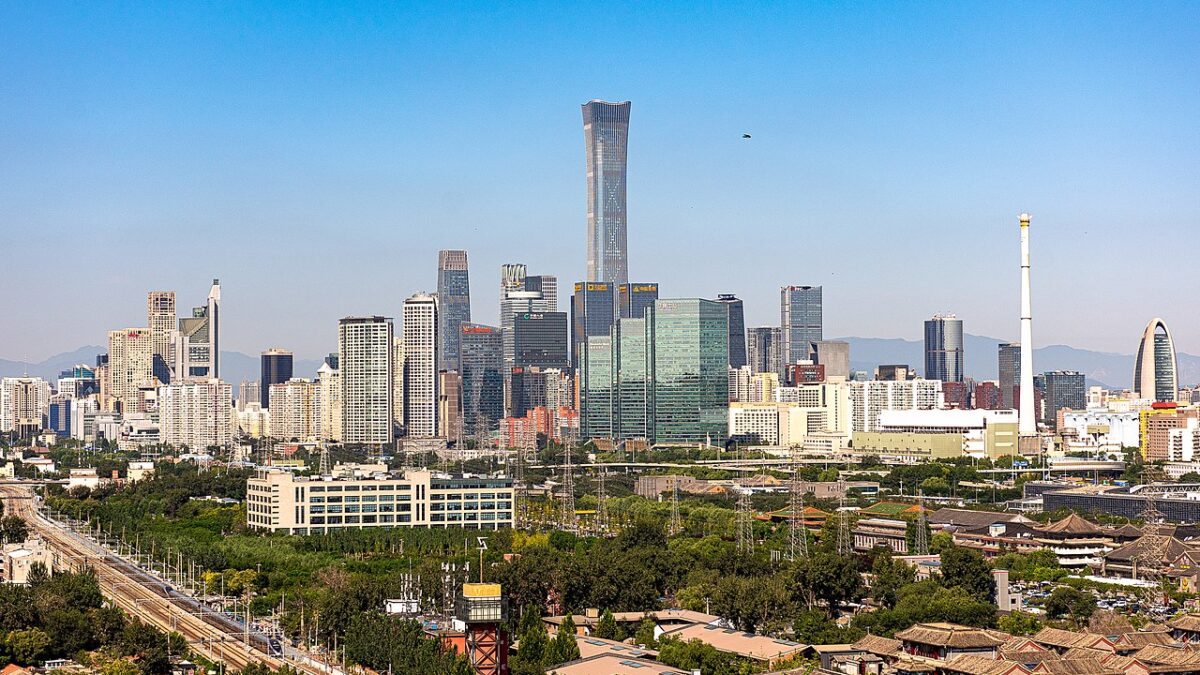
Beijing offers a profound journey through China’s imperial past and dynamic present, with iconic landmarks like the Forbidden City and Great Wall accessible within a feasible budget. This Beijing travel guide details how to experience its rich history, diverse culinary scene, and efficient transport for a memorable trip in 2026. Planning your itinerary and understanding local costs are key to unlocking its treasures.
The city’s historical significance is palpable, from ancient imperial palaces to revolutionary sites. Visitors can immerse themselves in centuries of art, architecture, and culture, while also experiencing the rapid modernization that defines contemporary China. Its strategic location also makes it a gateway for further exploration within the region, offering a comprehensive glimpse into the nation’s evolution.
Who This Guide Is For
This Beijing travel guide is designed for first-time international visitors planning a 4-7 day trip who seek a balanced experience of historical immersion and modern discovery. It caters to travelers with a mid-range budget, providing actionable advice on costs, accommodation, and itinerary planning.
Average Travel Cost in Beijing
The following data presents estimated daily expenses for travelers in Beijing in 2026, based on an exchange rate of 1 USD = 7.2 CNY (¥). These figures are intended to provide a benchmark for budgeting purposes.
| Category | Budget (USD) | Mid-Range (USD) | Luxury (USD) |
|---|---|---|---|
| Accommodation | $30 | $80 | $200 |
| Food | $20 | $40 | $100 |
| Transport | $5 | $15 | $50 |
| Attractions | $15 | $30 | $70 |
| Misc | $10 | $20 | $50 |
| Daily Total | $80 | $185 | $470 |
Estimated Total Costs:
* 3-Day Trip:
* Budget: $240
* Mid-Range: $555
* Luxury: $1,410
* 7-Day Trip:
* Budget: $560
* Mid-Range: $1,295
* Luxury: $3,290
For accommodation, opting for an Airbnb-style rental can yield savings of approximately 15-25% compared to mid-range hotels, particularly for stays of three nights or longer. This difference can significantly impact the overall travel budget, allowing for more spending on activities or dining.
Seasonal price fluctuations are notable. Peak seasons, typically April-May and September-October, see a 10-20% increase in accommodation and flight costs due to favorable weather. Off-season months like January-February or July-August may offer discounts, though weather conditions can be less ideal. Shoulder seasons provide a balance of good weather and more moderate pricing.
Where to Stay in Beijing
Dongcheng District
Known for its proximity to major historical sites including the Forbidden City and Tiananmen Square, Dongcheng is a hub of imperial history and modern commerce.
* Price Range: Budget ($30-$60/night), Mid-Range ($70-$150/night)
* Best for: First-time visitors, history enthusiasts, those prioritizing central access.
* Insider Tip: Book accommodation with good subway access to minimize transit time to attractions.
Haidian District
Home to prestigious universities like Peking University and Tsinghua University, Haidian offers a more youthful, academic atmosphere with numerous parks and cultural institutions.
* Price Range: Budget ($25-$50/night), Mid-Range ($60-$120/night)
* Best for: Students, researchers, travelers seeking a less tourist-centric experience, families wanting access to educational sites.
* Insider Tip: Explore the Summer Palace in the early morning to avoid crowds and enjoy serene lake views.
Chaoyang District
This modern district is Beijing’s central business district and a vibrant center for shopping, dining, and nightlife, featuring contemporary architecture and international flair.
* Price Range: Mid-Range ($80-$180/night), Luxury ($180+/night)
* Best for: Business travelers, shoppers, foodies, those seeking a dynamic urban experience.
* Insider Tip: Utilize the extensive public transport network to navigate between the district’s various entertainment and commercial zones.
Best Things to Do in Beijing
The Great Wall of China (Mutianyu Section)
This iconic defensive structure, a UNESCO World Heritage Site, offers breathtaking panoramic views and a tangible connection to China’s ancient military history. The Mutianyu section is well-preserved, less crowded than Badaling, and features a cable car and toboggan for access.
* Average Ticket Price: ¥40-¥60 (approximately $5.50-$8.30) for entrance; additional fees for cable car/toboggan.
* Best Time to Visit: Weekdays, early morning (before 9 AM) to avoid peak crowds, or late afternoon. Spring and autumn offer pleasant weather.
* Insider Tip: Consider visiting on a weekday morning. The cable car is efficient, but walking up some sections provides a more immersive experience.
Forbidden City (Palace Museum)
The former imperial palace of the Ming and Qing dynasties, this vast complex is a masterpiece of Chinese architecture and a symbol of imperial power. It houses an immense collection of art and artifacts.
* Average Ticket Price: ¥60 (approximately $8.30) for peak season, ¥40 (approximately $5.50) for off-season.
* Best Time to Visit: Early morning on weekdays. Book tickets in advance online, as daily visitor numbers are capped.
* Insider Tip: Allocate at least 3-4 hours to explore. Focus on the central axis for the main halls and consider visiting less crowded side courtyards.
Temple of Heaven Park
This imperial religious complex, a UNESCO World Heritage Site, was where emperors performed annual rites of prayer for good harvests. The park surrounding it is a popular spot for locals to practice Tai Chi and other activities.
* Average Ticket Price: ¥30-¥35 (approximately $4.15-$4.85) for combined ticket.
* Best Time to Visit: Early morning to observe local life and avoid crowds. The Hall of Prayer for Good Harvests is particularly stunning at sunrise.
* Insider Tip: Visit in the morning to see locals practicing martial arts, singing, and dancing in the park – a vibrant cultural experience.
Summer Palace
A vast imperial garden and former summer resort, this UNESCO World Heritage Site is renowned for its beautiful landscape of hills, lakes, and palaces, showcasing classical Chinese garden design.
* Average Ticket Price: ¥30-¥40 (approximately $4.15-$5.50) for combined ticket.
* Best Time to Visit: Spring or autumn for pleasant weather. Go early on a weekday to enjoy the tranquility.
* Insider Tip: Rent a boat on Kunming Lake for a different perspective of the palace grounds.
National Museum of China
Located on the eastern side of Tiananmen Square, this expansive museum showcases the rich history and artistic achievements of China from ancient times to the present.
* Average Ticket Price: Free admission, but advance booking is required.
* Best Time to Visit: Weekdays, preferably in the morning.
* Insider Tip: Prioritize sections based on your interests, as the museum is immense. The ancient China exhibits are particularly comprehensive.
Jingshan Park
Directly north of the Forbidden City, this imperial garden offers a stunning elevated viewpoint for panoramic vistas of the Forbidden City’s golden roofs, especially at sunset.
* Average Ticket Price: ¥2 (approximately $0.28)
* Best Time to Visit: Late afternoon for sunset views over the Forbidden City.
* Insider Tip: Climb to the Wanchun Pavilion at the summit for the most iconic photographic opportunities.
Where to Eat in Beijing
* Peking Duck (Imperial Cuisine): Renowned for its crispy skin and tender meat, Peking Duck is a quintessential Beijing culinary experience.
* Price Range: ¥200-¥500+ per duck (approximately $27.70-$69.40+), depending on restaurant.
* What to Order: The classic Peking Duck, often served with thin pancakes, scallions, and hoisin sauce.
* Location Tip: Famous establishments include Quanjude and Bianyifang. For a more modern take, consider Da Dong.
* Zhajiangmian (Noodles with Fried Sauce): A hearty and flavorful noodle dish, this is a beloved Beijing staple. The sauce is typically made with ground pork and fermented soybean paste.
* Price Range: ¥20-¥50 per bowl (approximately $2.77-$6.94).
* What to Order: A generous portion of noodles topped with the rich zhajiangmian sauce, served with cucumber and radish shreds.
* Location Tip: Widely available in local eateries and smaller restaurants throughout the city, especially in hutong areas.
* Hot Pot (Sichuan or Mongolian Style): While not exclusively Beijing cuisine, hot pot is incredibly popular. Diners cook raw ingredients in a simmering broth at their table.
* Price Range: ¥80-¥200 per person (approximately $11.10-$27.70), depending on ingredients.
* What to Order: Choose your broth (spicy Sichuan or milder Mongolian), then select from a wide array of thinly sliced meats, vegetables, tofu, and noodles.
* Location Tip: Haidilao is a popular chain known for its service. Explore local hot pot restaurants in areas like Guomao for authentic experiences.
* Street Food (Various Snacks): Beijing’s street food scene offers a diverse range of affordable and delicious snacks, from savory to sweet.
* Price Range: ¥5-¥20 per item (approximately $0.69-$2.77).
* What to Order: Jianbing (savory crepes), Baozi (steamed buns), Tanghulu (candied fruit skewers), and various grilled skewers.
* Location Tip: Wangfujing Snack Street (though tourist-oriented), or explore local markets and smaller alleyways for more authentic finds.
3-Day Beijing Itinerary
Day 1
* Morning: Begin with an early visit to the Great Wall of China (Mutianyu Section). This allows for cooler temperatures and fewer crowds. Enjoy the scenic ascent via cable car or a bracing walk.
* Afternoon: Return to the city and explore the Forbidden City. Dedicate several hours to absorb its scale and historical significance.
* Evening: Wander through the Wangfujing Snack Street for a casual dinner and to sample various street foods. Alternatively, enjoy a traditional Peking Duck dinner at a reputable restaurant.
* Estimated Daily Cost: $120 – $200 (Mid-Range)
Day 2
* Morning: Visit Temple of Heaven Park. Arrive early to witness locals engaging in morning activities and explore the Hall of Prayer for Good Harvests.
* Afternoon: Immerse yourself in history at the National Museum of China. Focus on exhibits that align with your interests.
* Evening: Explore the historic Hutongs (narrow alleyways) around the Shichahai lakes. Consider a rickshaw tour and enjoy dinner at a local restaurant in this charming area.
* Estimated Daily Cost: $100 – $170 (Mid-Range)
Day 3
* Morning: Ascend Jingshan Park for a panoramic view of the Forbidden City, particularly stunning in the morning light. Afterward, visit the Summer Palace, enjoying its expansive gardens and lake.
* Afternoon: Explore the artistic and cultural district of 798 Art Zone, showcasing contemporary Chinese art in former factory buildings.
* Evening: Enjoy a final Beijing meal, perhaps trying Zhajiangmian, and consider a performance like a traditional Chinese opera or acrobatics show.
* Estimated Daily Cost: $110 – $190 (Mid-Range)
Transportation Guide
Beijing Capital International Airport (PEK) and Beijing Daxing International Airport (PKX) are the primary gateways. From PEK, the Airport Express train offers an efficient connection to the city center (approx. ¥25, $3.50). Taxis are available but can be subject to traffic delays. From PKX, the Daxing Airport Express train is also efficient (approx. ¥35, $4.85).
Public transportation within Beijing is extensive and cost-effective. The Beijing Subway system is one of the world’s busiest, with over 20 lines covering most major attractions and districts. A single ride typically costs ¥3-¥7 (approximately $0.42-$0.97), depending on distance. A rechargeable Yikatong card can simplify fare payment. Buses are even more economical but can be slower due to traffic.
Rideshare services like Didi Chuxing are widely available and offer a convenient alternative to taxis, often at competitive prices. Ensure you have a local SIM card or reliable Wi-Fi for app usage. Taxis are also readily available, but ensure the meter is used.
Practical Tips:
* Download a reliable offline map application like Baidu Maps or Amap (Gaode Ditu) for navigation.
* Carry small amounts of cash for bus fares or small vendors, as not all accept mobile payments.
* Be aware of rush hour traffic, which can significantly impact travel times, especially between 7-9 AM and 5-7 PM.
Money-Saving Tips
Pro Tip 1: Purchase a Beijing Yikatong transport card. It offers a 5% discount on subway fares and can be used on buses, saving approximately $1-2 per day on public transit compared to single tickets.
Pro Tip 2: Eat like a local by frequenting smaller restaurants and street food stalls. A full meal at a local eatery can cost as little as $5-10, compared to $20-40 for a mid-range restaurant.
Pro Tip 3: Visit free attractions such as the National Museum of China (with advance booking) and Jingshan Park (minimal fee). This can reduce your daily attraction expenses by up to $10-15.
Common Travel Mistakes
Mistake 1: Relying solely on English. While major tourist areas may have some English speakers, many signs and interactions will be in Mandarin. Learning basic phrases or using a translation app can significantly enhance your experience and avoid miscommunication.
Mistake 2: Not booking major attractions in advance. Popular sites like the Forbidden City and the National Museum of China have visitor limits. Failing to book online in advance can result in disappointment due to fully booked slots, especially during peak seasons.
Frequently Asked Questions
How much money do you need for 3 days in Beijing?
For a 3-day trip to Beijing, a budget traveler can expect to spend around $240, covering accommodation, food, transport, and basic attractions. A mid-range traveler would budget approximately $555, allowing for more comfortable accommodation and dining. Luxury travelers should anticipate costs upwards of $1,410 for a 3-day stay, including high-end experiences.
Is Beijing expensive for tourists?
Beijing offers a range of price points, making it accessible for various budgets. While luxury experiences can be costly, budget and mid-range travel is quite feasible. Daily costs can be kept under $80 for budget travelers and around $185 for mid-range visitors, comparable to many other major global cities. You can use our travel cost calculator to get a more personalized estimate.
What is the best area to stay in Beijing?
For first-time visitors prioritizing historical access and convenience, Dongcheng District is ideal due to its proximity to the Forbidden City and Tiananmen Square. Haidian District offers a more academic and local feel, while Chaoyang District is best for those seeking modern amenities, shopping, and nightlife. Browse Asia travel guides for more regional options.
Can you visit Beijing without a car?
Yes, Beijing is highly navigable without a car. The city boasts an extensive and efficient public transportation system, including a vast subway network and bus routes. Rideshare services and taxis are also readily available, making it easy to access all major attractions and districts.
What is the cheapest month to visit Beijing?
The cheapest months to visit Beijing are typically during the off-season, which includes January-February (excluding Chinese New Year) and potentially July-August. However, these months may have less favorable weather. For a balance of affordability and good weather, consider the shoulder seasons of March-April or October-November.

Kai has visited 60+ countries across 6 continents, with a obsession for one thing most travelers ignore: the real cost of getting there. Former budget backpacker turned data-driven travel writer, Kai breaks down destination costs so you can plan smarter — not just dream bigger. Based everywhere, from nowhere in particular.