Vietnam Travel Guide 2026: A Comprehensive Journey
Vietnam Travel Guide
Vietnam, a nation shaped by millennia of history and vibrant traditions, beckons travelers with its breathtaking landscapes, rich cultural tapestry, and dynamic modern spirit. From the emerald waters of Ha Long Bay to the bustling streets of its metropolises, Vietnam offers an immersive experience for every visitor. Its people, known for their resilience and warmth, extend a genuine welcome, inviting exploration of ancient temples, colonial architecture, and the intricate rhythms of daily life. A journey through Vietnam is a sensory delight, a profound engagement with a land where the past and present converge seamlessly.
Best Cities to Visit in Vietnam
Hanoi
Vietnam’s charming capital, Hanoi, is a captivating blend of old and new. Explore the labyrinthine streets of the Old Quarter, discover serene temples, and soak in the French colonial architecture. A comprehensive Hanoi travel guide will help you navigate its historical heart.
Ho Chi Minh City
Formerly Saigon, Ho Chi Minh City is a pulsating metropolis, a testament to Vietnam’s rapid modernization. Experience the energy of its markets, delve into its wartime history, and enjoy its sophisticated dining scene. Plan your visit with a detailed Ho Chi Minh City travel guide.
Hoi An
This ancient trading port is a UNESCO World Heritage site, renowned for its beautifully preserved architecture and tailor shops. Wander through lantern-lit streets, enjoy delicious street food, and experience a truly magical atmosphere.
Hue
The former imperial capital, Hue, is steeped in history and culture. Visit the magnificent Imperial City, explore ancient tombs, and cruise along the Perfume River for a glimpse into Vietnam’s royal past.
Da Nang
A coastal city with stunning beaches and modern infrastructure, Da Nang serves as a gateway to central Vietnam. It offers a vibrant urban experience alongside opportunities for relaxation and exploration of nearby attractions.
Nha Trang
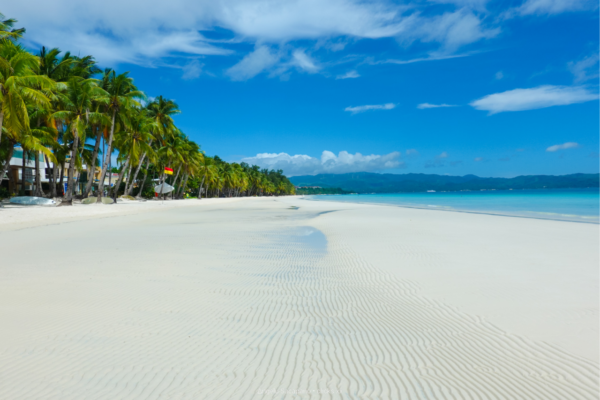
Famous for its pristine beaches and clear turquoise waters, Nha Trang is a popular destination for relaxation and water sports. Enjoy fresh seafood and explore the surrounding islands.
Sapa
Nestled in the northern mountains, Sapa offers breathtaking terraced rice fields and opportunities to interact with ethnic minority communities. It’s an ideal destination for trekking and cultural immersion.
Travel Costs in Vietnam
| Category | Budget (USD) | Mid-Range (USD) | Luxury (USD) |
|---|---|---|---|
| Accommodation (per night) | $10 – $30 | $40 – $80 | $100+ |
| Food (per day) | $15 – $25 | $30 – $50 | $60+ |
| Transport (per day) | $5 – $15 | $20 – $40 | $50+ |
| Activities (per day) | $10 – $20 | $25 – $50 | $75+ |
| Daily Total (approx.) | $40 – $90 | $115 – $220 | $285+ |
Best Time to Visit Vietnam
Vietnam’s diverse geography results in varied weather patterns across the country.
The dry season, generally from November to April, is considered the most pleasant time to visit.
* North: Winters (December-February) can be cool, with temperatures in Hanoi dropping to 10-15°C (50-59°F). Spring (March-April) and Autumn (September-November) offer mild temperatures and lower humidity.
* Central: The central region, including Hoi An and Da Nang, experiences its dry season from January to August, with peak heat and humidity from May to August.
* South: The southern part of Vietnam, including Ho Chi Minh City, has a tropical climate with a distinct dry season from December to April, characterized by hot and humid conditions.
The rainy season typically runs from May to October. While rain is common, it often comes in short, heavy bursts, and travel can still be enjoyable, especially during the shoulder months of May and October.
Peak season generally aligns with the dry season, particularly around holidays like Tet (Vietnamese Lunar New Year, usually in late January or February) and Christmas/New Year. Expect higher prices and larger crowds during these periods. Off-season travel can offer a more budget-friendly and less crowded experience, though weather should be considered.
Getting Around Vietnam
Vietnam offers a range of transportation options to suit different budgets and preferences.
* Domestic Flights: For covering long distances quickly, domestic flights are efficient. Major cities are well-connected by airlines like Vietnam Airlines and VietJet Air.
* Trains: The Reunification Express train line runs the length of the country, offering scenic journeys and a chance to experience local life. Sleeper berths are available for overnight travel.
* Buses: An extensive network of inter-city buses, including sleeper buses, connects most towns and cities. This is a budget-friendly option but can be less comfortable for long journeys.
* Rideshare and Taxis: In major cities like Hanoi and Ho Chi Minh City, ride-sharing apps such as Grab are widely available and offer convenient and affordable travel. Traditional taxis are also plentiful, but it is advisable to use metered services or reputable companies.
* Motorbikes: Renting a motorbike is popular for exploring smaller towns and rural areas, but requires caution and appropriate licensing.
Essential Tips for Visiting Vietnam
- Visa Requirements: Check current visa regulations for your nationality well in advance of travel. Many nationalities can obtain e-visas or visa exemptions for short stays.
- Currency: The official currency is the Vietnamese Dong (VND). US Dollars are also widely accepted in tourist areas, but it is advisable to carry local currency for smaller purchases and in more rural locations. ATMs are readily available in cities.
- Customs and Etiquette: Dress modestly when visiting temples and pagodas. It is customary to remove your shoes before entering homes and some establishments. A polite nod and smile are appreciated gestures.
- Safety: Vietnam is generally a safe country for tourists. Be aware of petty theft, particularly in crowded areas, and exercise caution when crossing busy streets.
- Connectivity: Purchasing a local SIM card upon arrival is inexpensive and provides easy access to data for navigation and communication. Wi-Fi is widely available in hotels, cafes, and restaurants.

Kai has visited 60+ countries across 6 continents, with a obsession for one thing most travelers ignore: the real cost of getting there. Former budget backpacker turned data-driven travel writer, Kai breaks down destination costs so you can plan smarter — not just dream bigger. Based everywhere, from nowhere in particular.