5 Days in Suva: Markets & Marine Life
Why Visit Suva?
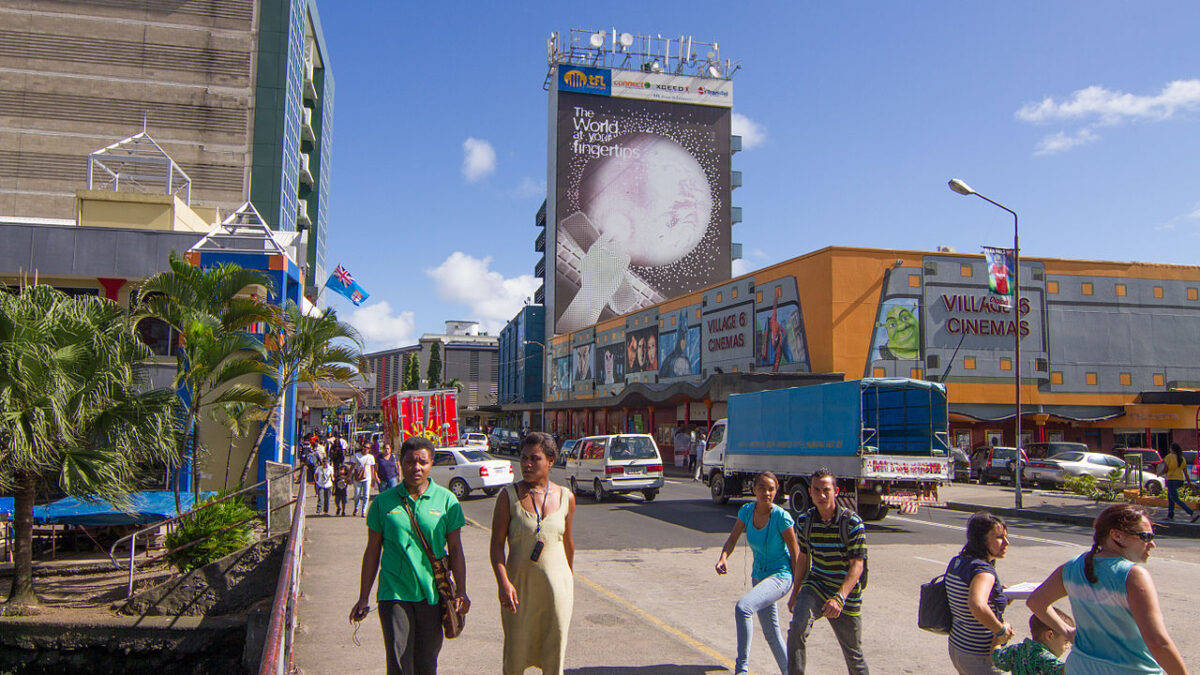
Suva offers a dynamic urban experience in Fiji, blending colonial architecture with vibrant local markets and a thriving arts scene. This Suva travel guide highlights its unique appeal for travelers seeking authentic cultural immersion and practical insights into costs and itineraries for 2026. Explore diverse culinary options, from fresh seafood to international flavors, and discover efficient transport networks.
The capital city presents a compelling contrast to Fiji’s renowned island resorts, providing a window into the nation’s administrative, commercial, and social heart. Visitors can engage with Fijian daily life, patronize local artisans, and access a range of accommodations and dining experiences that cater to various budgets. For those interested in understanding the broader Fijian context, Suva serves as an essential starting point.
Who This Guide Is For
This guide is tailored for independent travelers planning a 3-5 day exploration of Suva, particularly those interested in cultural sites, local cuisine, and understanding urban Fiji. It is also beneficial for budget-conscious travelers aiming to manage expenses effectively, as well as those seeking a practical overview of the capital’s offerings.
Average Travel Cost in Suva
The estimated daily costs for travel in Suva vary significantly depending on accommodation choices and activity preferences. The exchange rate is approximately 1 USD = 2.23 Fijian Dollars.
| Category | Budget | Mid-Range | Luxury |
|---|---|---|---|
| Accommodation | $40 | $120 | $300 |
| Food | $25 | $60 | $150 |
| Transport | $10 | $30 | $80 |
| Attractions | $15 | $40 | $100 |
| Misc | $10 | $20 | $50 |
| Daily Total | $100 | $270 | $680 |
Estimated Total Costs:
* 3-Day Trip:
* Budget: $300
* Mid-Range: $810
* Luxury: $2040
* 7-Day Trip:
* Budget: $700
* Mid-Range: $1890
* Luxury: $4760
Choosing an Airbnb-style accommodation over a traditional hotel can lead to significant savings, particularly for longer stays or for travelers who prefer to prepare some of their own meals. Budgeting an average of $40-$60 per night for a private room or small apartment through platforms like Airbnb can reduce accommodation costs by 30-50% compared to mid-range hotels. This also allows for potential savings on dining expenses.
Seasonal price variations are noticeable. The peak tourist season, from May to October, generally sees higher prices for accommodation and flights due to favorable weather conditions. Shoulder seasons (April, November) offer a balance of good weather and more moderate pricing. The off-season (December to March), which coincides with the wet season, typically presents the lowest prices, though travelers should be prepared for potential rain. Tipping is not a customary practice in Fiji, though it is appreciated for exceptional service.
Where to Stay in Suva
Suva offers a range of neighborhoods to suit different traveler preferences and budgets.
* Cumming Street/Town Center: This area is the vibrant heart of Suva, known for its bustling markets, commercial activity, and proximity to government buildings and historical sites.
* Price Range (per night): Budget ($30-$50), Mid-Range ($80-$150)
* Best For: Travelers who want to be in the center of the action, enjoy easy access to amenities, and appreciate a lively urban atmosphere.
* Insider Tip: Stay on a higher floor to minimize noise from street activity, especially on market days.
* Toorak: Located on the hills overlooking the city and harbor, Toorak is a more residential and upscale neighborhood known for its quiet streets, expatriate community, and larger homes.
* Price Range (per night): Mid-Range ($100-$200), Luxury ($250+)
* Best For: Families, longer-term visitors, and those seeking a more peaceful environment with good views, though it requires more reliance on taxis for city access.
* Insider Tip: Many guesthouses and boutique accommodations in Toorak offer excellent value and a more local feel than large hotels.
* Samabula: A diverse and rapidly developing area, Samabula is known for its mix of residential housing, local businesses, and growing number of budget-friendly guesthouses and smaller hotels.
* Price Range (per night): Budget ($25-$45), Mid-Range ($70-$120)
* Best For: Budget travelers, backpackers, and those looking for authentic local experiences and lower accommodation costs.
* Insider Tip: Explore the local eateries in Samabula for some of the most affordable and authentic Fijian meals.
Best Things to Do in Suva
Suva provides a rich tapestry of cultural, historical, and natural attractions.
Thurston Gardens
These are Suva’s oldest public gardens, established in the late 19th century. They are a tranquil oasis featuring a diverse collection of tropical plants, including orchids and ferns, and are home to the Fiji Museum. The gardens offer a peaceful escape from the city’s bustle and a glimpse into Fiji’s botanical heritage.
* Average Ticket Price: Free entry to the gardens; Fiji Museum has a small admission fee (approximately $5-$10 USD).
* Best Time to Visit: Weekday mornings to avoid local crowds and enjoy cooler temperatures. The gardens are open daily from sunrise to sunset.
* Insider Tip: Visit the Fiji Museum first to gain context for the botanical and historical significance of the surrounding gardens.
Colo-i-Suva Forest Reserve
Located a short drive from the city center, this lush rainforest reserve offers hiking trails, swimming holes, and waterfalls. It is a vital watershed for Suva and a sanctuary for native Fijian flora and fauna. The trails range from easy walks to more challenging treks.
* Average Ticket Price: Approximately $5-$10 USD per person for park entry.
* Best Time to Visit: During daylight hours, ideally on a weekday morning to experience the most natural tranquility. Avoid visiting immediately after heavy rainfall as trails can become slippery.
* Insider Tip: Bring insect repellent and wear sturdy walking shoes. Pack a picnic to enjoy by one of the designated picnic spots.
Albert Park
This historic urban park is a significant landmark, having hosted numerous important events in Fijian history, including the first official visit of Queen Elizabeth II. It is a popular spot for locals to relax, play sports, and enjoy the open green space in the heart of the city.
* Average Ticket Price: Free.
* Best Time to Visit: Late afternoons and early evenings when the heat subsides and locals gather for recreation.
* Insider Tip: Observe local life and perhaps engage in a friendly game of touch rugby if invited.
Suva Municipal Market
This bustling market is the commercial and social hub of Suva. It is a sensory experience, filled with vendors selling fresh produce, local crafts, flowers, and traditional Fijian delicacies. It offers an authentic glimpse into the daily lives of Fijians and a chance to purchase local goods.
* Average Ticket Price: Free to enter; costs vary based on purchases.
* Best Time to Visit: Early morning, especially on Saturdays, for the widest selection of goods and the most vibrant atmosphere.
* Insider Tip: Practice your bargaining skills respectfully, and be open to trying local fruits and snacks offered by vendors.
Fiji Museum
Housed within Thurston Gardens, the Fiji Museum is the national repository of Fijian history and culture. It showcases artifacts, traditional weapons, canoes, and exhibits detailing Fiji’s past, from its earliest inhabitants to its colonial era. It provides essential context for understanding Fijian identity.
* Average Ticket Price: Approximately $5-$10 USD.
* Best Time to Visit: During museum operating hours, typically Tuesday to Saturday, to avoid weekend closures and allow ample time for exploration.
* Insider Tip: Allocate at least 1.5-2 hours to fully appreciate the exhibits. Look for the displays on traditional Fijian warfare and the Ratu Cakobau collection.
Parliament House
This distinctive building, located near Thurston Gardens, is the seat of the Fijian government. While public access to the interior is limited, the exterior architecture is notable, and its location offers views of the harbor. It represents the administrative center of Fiji.
* Average Ticket Price: Free to view from the outside.
* Best Time to Visit: During daylight hours for photography.
* Insider Tip: Combine a visit with Thurston Gardens and the Fiji Museum for a concentrated historical and cultural experience.
Where to Eat in Suva
Suva’s culinary landscape is diverse, reflecting its multicultural population and access to fresh ingredients.
* Cuisine Type: Fijian & Pacific Rim
* Price Range Per Meal: $15-$30 USD
* What to Order: Lovo (food cooked in an earth oven), Kokoda (raw fish marinated in lemon juice and coconut milk), fresh seafood dishes.
* Location Tip: Look for popular local restaurants and hotels that offer traditional Fijian nights or buffet experiences.
* Cuisine Type: Indian
* Price Range Per Meal: $10-$25 USD
* What to Order: Curries (lamb, chicken, vegetable), Roti, Samosas, Biryani. Suva has a significant Indo-Fijian population, offering authentic flavors.
* Location Tip: Explore the areas around Marks Street and central Suva for a concentration of quality Indian eateries.
* Cuisine Type: International & Fusion
* Price Range Per Meal: $20-$40 USD
* What to Order: Modern Australian, European-inspired dishes, and creative fusion plates.
* Location Tip: Upscale hotels and restaurants in the central business district and along the foreshore often feature these cuisines.
* Cuisine Type: Street Food & Local Cafes
* Price Range Per Meal: $5-$15 USD
* What to Order: Fried chicken, meat pies, fresh fruit juices, local sweets (like vanila slice).
* Location Tip: The Suva Municipal Market and surrounding streets are prime locations for sampling affordable local fare.
3-Day Suva Itinerary
This itinerary balances cultural immersion, historical exploration, and local experiences.
Day 1
* Morning: Arrive in Suva, check into your accommodation, and take some time to settle in.
* Afternoon: Begin with a visit to the Fiji Museum to gain historical context, followed by a leisurely stroll through Thurston Gardens to appreciate the local flora.
* Evening: Experience a traditional Fijian Lovo dinner and Meke (cultural performance) at a local hotel or cultural center. This offers an immersive introduction to Fijian customs and cuisine.
* Estimated Daily Cost: $150-$200 (Mid-Range)
Day 2
* Morning: Head to the Suva Municipal Market for a vibrant sensory experience. Explore the stalls, interact with vendors, and sample local fruits.
* Afternoon: Visit Albert Park and the Parliament House. Afterwards, take a taxi to the Colo-i-Suva Forest Reserve for a refreshing nature walk and potentially a swim in one of the natural pools.
* Evening: Enjoy dinner at an Indian restaurant in the city center, followed by exploring the local nightlife or enjoying a quiet drink at a hotel bar.
* Estimated Daily Cost: $120-$180 (Mid-Range)
Day 3
* Morning: Explore the commercial heart of Suva, browsing shops for souvenirs and local crafts. Consider visiting the handicraft market for authentic items.
* Afternoon: Visit the Grand Pacific Hotel for a drink or afternoon tea, appreciating its historical significance and architecture. Alternatively, revisit a favorite spot or explore a neighborhood like Toorak for different perspectives.
* Evening: Depart from Suva or enjoy a final dinner at a restaurant offering international cuisine, reflecting on your urban Fijian experience.
* Estimated Daily Cost: $100-$160 (Mid-Range)
Transportation Guide
Suva’s transportation system is accessible and offers various options for getting around.
* Airport Transfer: Nausori International Airport (SUV) is approximately 25 kilometers from Suva. Taxis are readily available and the most convenient option, costing around $40-$60 USD for the journey. Pre-booking airport transfers through your hotel or a reputable service is recommended.
* Public Transit: Local buses are the most economical way to travel within Suva and to surrounding areas. They are frequent and cover most routes, with fares typically ranging from $1-$3 USD per ride. Buses are generally safe and a good way to experience local life.
* Taxis: Taxis are abundant in Suva and are a convenient option for direct travel, especially for those with limited time or carrying luggage. Ensure the meter is used or agree on a fare before commencing your journey. Fares are generally reasonable, with short trips costing $5-$10 USD.
* Rideshare: Ride-sharing apps are not as prevalent or as established in Suva as in major global cities. While some informal arrangements may exist, traditional taxis remain the primary on-demand transport service.
* Walking: The central business district and areas around Albert Park and Thurston Gardens are walkable. However, Suva’s hilly terrain and warm climate mean that walking long distances or between different neighborhoods can be challenging.
Money-Saving Tips
Pro Tip 1: Utilize local buses for inter-neighborhood travel. A daily budget of $10-$15 USD is sufficient for extensive use, compared to $30-$50 USD for taxis for similar coverage.
2: Eat at local markets and smaller cafes. A meal at the Suva Municipal Market can cost as little as $5-$10 USD, significantly less than restaurant meals which can range from $20-$40 USD.
3: Purchase souvenirs directly from local artisans at markets rather than tourist-oriented shops. This can reduce costs by 20-30% and ensures your money directly supports local craftspeople.
Common Travel Mistakes
Mistake 1: Underestimating the cost of taxis and not agreeing on fares beforehand. This can lead to unexpected expenses, with fares potentially doubling for unmetered journeys. Always confirm the price before starting your trip.
Mistake 2: Not carrying enough small denomination local currency. While larger establishments accept cards, many smaller vendors, market stalls, and bus operators only accept cash, and having the correct change simplifies transactions.
Frequently Asked Questions
How much money do you need for 3 days in Suva?
For a 3-day trip to Suva, a budget traveler can expect to spend approximately $300 USD, covering basic accommodation, local food, transport, and a few attractions. A mid-range traveler might budget around $810 USD for more comfortable lodging and dining. Luxury travelers should plan for over $2040 USD.
Is Suva expensive for tourists?
Suva offers a range of price points, making it adaptable to different budgets. While not as inexpensive as some Southeast Asian cities, it is generally more affordable than destinations like the Gold Coast or European capitals such as Lisbon. Utilizing local transport and dining at markets can keep costs down.
What is the best area to stay in Suva?
The best area to stay depends on your priorities. For central access and vibrant activity, the Town Center (Cumming Street) is ideal. For a quieter, more residential feel with views, Toorak is recommended. Samabula offers budget-friendly options and local immersion.
Can you visit Suva without a car?
Yes, Suva is very accessible without a car. The city has a reliable local bus system, readily available taxis, and many attractions within the central areas are walkable. For excursions outside the immediate city center, like Colo-i-Suva Forest Reserve, taxis or organized tours are practical alternatives.
What is the cheapest month to visit Suva?
The cheapest months to visit Suva are typically during the off-season, which corresponds with Fiji’s wet season, from December to March. During this period, accommodation and flight prices tend to be lower, although travelers should be prepared for potential rainfall.

Kai has visited 60+ countries across 6 continents, with a obsession for one thing most travelers ignore: the real cost of getting there. Former budget backpacker turned data-driven travel writer, Kai breaks down destination costs so you can plan smarter — not just dream bigger. Based everywhere, from nowhere in particular.