Hong Kong: Lanterns, Skylines & Hidden Alleys
Why Visit Hong Kong?
This Hong Kong travel guide outlines a dynamic destination offering unparalleled value, from its diverse neighborhoods and efficient transit to world-class culinary experiences and cost-effective travel options. Visitors can explore a dense urban landscape meeting dramatic natural beauty, all while managing budgets effectively for a fulfilling trip. Planning an itinerary here promises cultural immersion and gastronomic adventure.
Hong Kong presents a unique duality, where towering skyscrapers coexist with ancient temples, and bustling street markets give way to serene hiking trails. It serves as a gateway to mainland China, offering a distinct blend of Eastern and Western influences shaped by its colonial past and vibrant present. The city’s accessibility, coupled with its rich history and forward-looking innovation, makes it a compelling destination for a wide range of travelers. For those interested in broader Asian experiences, Browse Asia travel guides for more options.
Who This Guide Is For
This guide is tailored for first-time visitors planning a 5-7 day trip to Hong Kong, particularly those interested in experiencing its culinary scene and iconic landmarks. It is also suitable for budget-conscious travelers aiming for a daily expenditure between $80-$100 USD.
Average Travel Cost in Hong Kong
The following table details the estimated daily costs for various travel styles in Hong Kong, based on an exchange rate of 1 USD = 7.82 HKD.
| Category | Budget | Mid-Range | Luxury |
|---|---|---|---|
| Accommodation | $35 | $85 | $260 |
| Food | $18 | $42 | $110 |
| Transport | $8 | $14 | $38 |
| Attractions | $12 | $30 | $70 |
| Misc | $8 | $14 | $35 |
| Daily Total | $81 | $185 | $513 |
Estimated total costs for different trip durations:
* 3-Day Trip:
* Budget: $243
* Mid-Range: $555
* Luxury: $1539
* 7-Day Trip:
* Budget: $567
* Mid-Range: $1295
* Luxury: $3591
For accommodation, opting for an Airbnb-style rental can offer savings of 15-25% compared to mid-range hotels, particularly for stays exceeding three nights, by providing kitchen facilities and more space. Budget travelers can further reduce costs by utilizing hostels or guesthouses, which can be up to 40% cheaper than budget hotels.
Seasonal price fluctuations are notable. The peak season, from October to December, sees the highest accommodation and flight prices due to pleasant weather. Shoulder seasons (April-May and September) offer a balance of good weather and moderate pricing, while the off-season (June-August), characterized by heat and humidity, presents the lowest rates.
Where to Stay in Hong Kong
Tsim Sha Tsui (Kowloon)
Known for its vibrant street life, luxury shopping, and stunning Victoria Harbour views, Tsim Sha Tsui is a hub of activity.
* Price per night: Budget $40-$70, Mid-Range $90-$150
* Best for: First-time visitors, shoppers, those seeking iconic cityscapes.
* Insider Tip: Purchase an Octopus card upon arrival for seamless public transport and small purchases; it can significantly streamline your daily transactions.
Central (Hong Kong Island)
The city’s financial district, Central offers a sophisticated atmosphere with upscale dining, art galleries, and excellent connectivity.
* Price per night: Budget $50-$80, Mid-Range $100-$180
* Best for: Business travelers, foodies, those who appreciate a cosmopolitan vibe.
* Insider Tip: Explore the Mid-Levels Escalator system, the longest outdoor covered escalator system in the world, to navigate the hilly terrain and discover hidden eateries and bars.
Mong Kok (Kowloon)
Famous for its bustling street markets, neon signs, and energetic atmosphere, Mong Kok provides an authentic, sensory-rich experience.
* Price per night: Budget $30-$60, Mid-Range $70-$120
* Best for: Budget travelers, market enthusiasts, those seeking local immersion.
* Insider Tip: Visit the Ladies’ Market in the evening for the best atmosphere and bargaining opportunities, but be prepared for crowds.
Best Things to Do in Hong Kong
Chi Lin Nunnery and Nan Lian Garden
This serene Buddhist nunnery and its adjacent classical Chinese garden offer a tranquil escape from the urban bustle, showcasing exquisite Tang Dynasty-inspired architecture and manicured landscapes.
* Average ticket price: Free
* Best time to visit: Daily, 9:00 AM to 4:30 PM. Avoid weekends for a more peaceful experience.
* Insider Tip: Wear comfortable shoes as you’ll be doing a lot of walking within the expansive garden.
Victoria Peak
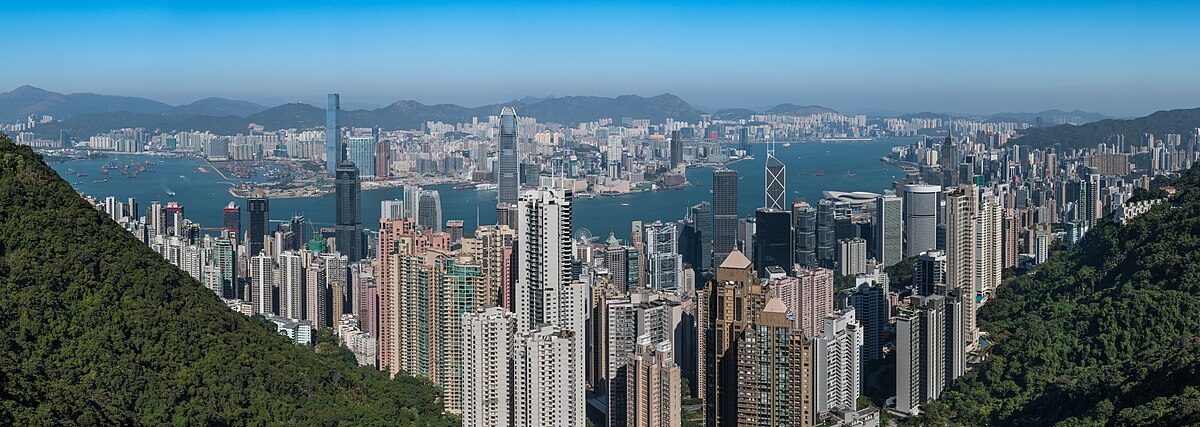
Ascend to the summit of Victoria Peak for panoramic views of Hong Kong Island, Kowloon, and the surrounding islands, a quintessential Hong Kong experience.
* Average ticket price: Peak Tram return ticket: approx. $12 USD. Sky Terrace 428 observation deck: approx. $10 USD.
* Best time to visit: Sunset and evening for spectacular city lights. Weekdays are less crowded than weekends.
* Insider Tip: Consider taking a bus or taxi up to the Peak and then the Peak Tram down to avoid long queues for the tram ascent.
Ten Thousand Buddhas Monastery (Man Fat Sze)
Located in Sha Tin, this unique monastery features over 13,000 gold-plated Buddha statues lining a scenic path to the main temple, offering impressive views.
* Average ticket price: Free
* Best time to visit: 9:00 AM to 5:00 PM. Go in the morning to avoid the midday heat and crowds.
* Insider Tip: The climb up is extensive; take your time and enjoy the smaller temples and pagodas along the way.
Star Ferry
A historic and iconic mode of transport, the Star Ferry offers a short, scenic, and incredibly affordable journey across Victoria Harbour between Tsim Sha Tsui and Central.
* Average ticket price: Approx. $0.50 USD per crossing.
* Best time to visit: Anytime, but especially recommended at dusk or night for illuminated skyline views.
* Insider Tip: Sit on the upper deck for the best unobstructed views of the harbor and both sides of the city.
Temple Street Night Market
Immerse yourself in the vibrant atmosphere of one of Hong Kong’s most famous night markets, offering everything from clothing and electronics to fortune-telling and street food.
* Average ticket price: Free to browse.
* Best time to visit: Daily, 6:00 PM to 11:00 PM. It gets busiest after 8:00 PM.
* Insider Tip: Be prepared to haggle for prices; starting at about 50% of the asking price is common practice.
Wong Tai Sin Temple
This Taoist temple is a popular spiritual site where visitors pray for good fortune, good health, and success, known for its intricate architecture and diverse religious influences.
* Average ticket price: Free
* Best time to visit: Daily, 7:00 AM to 5:30 PM.
* Insider Tip: Observe the fortune-tellers at work; while not for everyone, it’s a fascinating cultural insight.
Where to Eat in Hong Kong
Dim Sum (Cantonese Cuisine)
* Price Range: $15-$30 per person
* What to Order: Har Gow (shrimp dumplings), Siu Mai (pork dumplings), Char Siu Bao (barbecued pork buns), Cheung Fun (rice noodle rolls).
* Location Tip: Tim Ho Wan (various locations, known for Michelin-starred budget dim sum) or traditional establishments in Sheung Wan.
Wonton Noodles (Cantonese Cuisine)
* Price Range: $8-$15 per bowl
* What to Order: Wonton noodles in broth, with a side of gai lan (Chinese broccoli).
* Location Tip: Mak’s Noodles (Central) or Tsim Chai Kee Noodle Shop (Central) for classic renditions.
Cha Chaan Teng (Hong Kong-style Cafe)
* Price Range: $10-$25 per meal
* What to Order: Baked pork chop rice, milk tea, scrambled eggs with toast, macaroni soup.
* Location Tip: Explore local cafes in areas like Mong Kok or Sham Shui Po for authentic and affordable options.
Seafood (Various Coastal Influences)
* Price Range: $30-$60+ per person (depending on selection)
* What to Order: Steamed fish with ginger and scallions, stir-fried prawns, baked crab with butter.
* Location Tip: Sai Kung or Lei Yue Mun for fresh seafood markets where you can select your catch and have it cooked at a nearby restaurant.
3-Day Hong Kong Itinerary
Day 1
* Evening: Arrive at Hong Kong International Airport (HKG), take the Airport Express to your accommodation. Begin your exploration with an evening visit to the Temple Street Night Market for dinner and souvenir shopping.
* Estimated Daily Cost: $120 (assuming mid-range accommodation and dining)
Day 2
* Morning: Take the Star Ferry from Tsim Sha Tsui to Central. Ascend Victoria Peak via bus or taxi for breathtaking city views, followed by exploring the Peak Tram Lower Terminus area.
* Afternoon: Visit the Mid-Levels Escalator and explore the surrounding streets of SoHo and Lan Kwai Fong for lunch and unique boutiques.
* Evening: Enjoy dinner in the Lan Kwai Fong area, followed by a walk along the Tsim Sha Tsui promenade to witness the Symphony of Lights show over Victoria Harbour.
* Estimated Daily Cost: $150
Day 3
* Morning: Travel to Kowloon to visit the Ten Thousand Buddhas Monastery in Sha Tin, enjoying the scenic climb and intricate statues.
* Afternoon: Explore the bustling markets of Mong Kok, including the Ladies’ Market and Sneaker Street, for a taste of local commerce.
* Evening: Enjoy a final dim sum dinner in a local restaurant before heading to the airport for departure.
* Estimated Daily Cost: $100
Transportation Guide
Getting from Hong Kong International Airport (HKG) to the city center is efficient. The Airport Express train is the fastest option, taking approximately 24 minutes to reach Kowloon Station and 28 minutes to Hong Kong Station, costing around $13 USD one-way. Taxis are also readily available, with fares to central areas ranging from $35-$50 USD.
Public transportation within Hong Kong is exceptionally well-developed and cost-effective. The Mass Transit Railway (MTR) network is extensive, clean, and punctual, connecting most major areas. A single journey typically costs between $0.50 and $2.50 USD. Buses and trams (on Hong Kong Island) are also viable options. The Octopus card is highly recommended for seamless travel across MTR, buses, trams, and ferries.
Rideshare services like Uber are available but can be more expensive than public transport, especially during peak hours. For short distances or specific routes not well-served by public transport, taxis are a good alternative, though fares can accumulate.
Practical Tip: Purchase an Octopus card immediately upon arrival. It can be topped up at any MTR station or convenience store and simplifies travel immensely, eliminating the need for multiple tickets and small cash payments.
Money-Saving Tips
Pro Tip 1: Utilize the Octopus card not only for transport but also for purchases at convenience stores, supermarkets, and even some fast-food chains. This can lead to small but cumulative savings and avoids carrying excessive cash.
Pro Tip 2: Explore local markets for meals. Street food stalls and smaller “cha chaan teng” (Hong Kong-style cafes) offer delicious and authentic dishes for under $15 USD per meal, significantly less than sit-down restaurants.
Pro Tip 3: Take advantage of free attractions. Many of Hong Kong’s most impressive sights, such as Nan Lian Garden, Chi Lin Nunnery, and various temples, are free to enter, offering significant value for budget travelers.
Common Travel Mistakes
Mistake 1: Over-reliance on taxis or private cars. Hong Kong’s public transportation system is highly efficient and cost-effective. Opting for the MTR, buses, and ferries can save considerable money and often be faster due to traffic congestion. For a different perspective on urban transit, Check travel costs in Brussels.
Mistake 2: Not factoring in hidden costs. While Hong Kong can be budget-friendly, be aware of potential service charges at restaurants (typically 10%), entry fees for specific attractions, and the cost of souvenirs. Budgeting an extra 10-15% for miscellaneous expenses is advisable. Use our travel cost calculator to help plan your budget.
Frequently Asked Questions
How much money do you need for 3 days in Hong Kong?
For a 3-day trip, a budget traveler can expect to spend approximately $243 USD. A mid-range traveler would need around $555 USD, while a luxury traveler might budget $1539 USD. These figures are based on daily estimates for accommodation, food, transport, and activities.
Is Hong Kong expensive for tourists?
Hong Kong’s costliness is relative. While luxury options can be very expensive, budget and mid-range travel are achievable. For instance, a daily budget of $81 USD is feasible for a budget traveler, making it more affordable than many Western cities. Compare with Compare with Tel Aviv for a different perspective.
What is the best area to stay in Hong Kong?
The best area depends on your priorities. Tsim Sha Tsui offers iconic views and shopping, ideal for first-timers. Central is sophisticated with dining and business facilities. Mong Kok provides a vibrant, budget-friendly, and local experience. Consider your budget and desired atmosphere when choosing.
Can you visit Hong Kong without a car?
Absolutely. Hong Kong possesses one of the world’s most efficient and comprehensive public transportation systems, including the MTR, buses, trams, and ferries. A car is largely unnecessary and often impractical due to traffic and parking challenges. For exploring mainland China, consult our complete China travel guide or specifically the Beijing travel guide.
What is the cheapest month to visit Hong Kong?
The cheapest months to visit Hong Kong are typically during the summer (June to August). This period experiences hot and humid weather, along with a higher chance of typhoons, which deters many tourists and leads to lower prices for flights and accommodation. For a more comfortable experience with moderate prices, consider the shoulder seasons.

Kai has visited 60+ countries across 6 continents, with a obsession for one thing most travelers ignore: the real cost of getting there. Former budget backpacker turned data-driven travel writer, Kai breaks down destination costs so you can plan smarter — not just dream bigger. Based everywhere, from nowhere in particular.