Tokyo: Electric Dreams & Zen Gardens
Why Visit Tokyo?
This Tokyo travel guide reveals a city where ancient traditions harmoniously coexist with cutting-edge modernity, offering unparalleled experiences for discerning travelers. From the intricate flavors of its world-renowned cuisine to the vibrant energy of its distinct neighborhoods and meticulously planned itineraries, Tokyo promises a rich and diverse adventure. Understanding the costs, from accommodation to daily expenses, is key to a successful visit.
Tokyo’s appeal lies in its multifaceted identity. Visitors can immerse themselves in serene gardens and historic temples one moment, and then be captivated by the dazzling neon landscapes and technological marvels of its urban core the next. The city’s efficient public transportation system and the sheer variety of its culinary offerings, spanning from humble ramen stalls to Michelin-starred establishments, ensure that every day presents new discoveries. Examining the specifics of our complete Japan travel guide will further illuminate the nuances of this captivating destination.
Who This Guide Is For
This guide is designed for first-time visitors planning a 5-7 day trip to Tokyo, seeking a balance between cultural immersion, culinary exploration, and efficient travel. It caters to individuals or couples with a mid-range budget, interested in experiencing iconic landmarks and local life without compromising on comfort or quality. Those looking to compare costs with other major global cities might also find value, perhaps by browsing Browse Asia travel guides or even Compare with Dubai.
Average Travel Cost in Tokyo
The following table outlines the estimated daily expenses for different budget levels in Tokyo, utilizing an exchange rate of 1 USD = 150 JPY.
| Category | Budget | Mid-Range | Luxury |
|---|---|---|---|
| Accommodation | ¥6,000 ($40) | ¥18,000 ($120) | ¥52,500 ($350) |
| Food | ¥4,500 ($30) | ¥9,000 ($60) | ¥22,500 ($150) |
| Transport | ¥1,500 ($10) | ¥3,750 ($25) | ¥10,500 ($70) |
| Attractions | ¥2,250 ($15) | ¥6,000 ($40) | ¥15,000 ($100) |
| Misc | ¥1,500 ($10) | ¥3,000 ($20) | ¥7,500 ($50) |
| Daily Total | ¥15,750 ($105) | ¥39,750 ($265) | ¥108,000 ($720) |
Estimated Total Costs:
* 3-Day Trip:
* Budget: ¥47,250 ($315)
* Mid-Range: ¥119,250 ($795)
* Luxury: ¥324,000 ($2,160)
* 7-Day Trip:
* Budget: ¥110,250 ($735)
* Mid-Range: ¥278,250 ($1,855)
* Luxury: ¥756,000 ($5,040)
For accommodation, opting for an Airbnb-style rental can offer savings of 15-25% compared to a mid-range hotel, particularly for longer stays or groups, providing a more localized living experience. This can significantly impact the overall travel budget, especially when planning for extended trips. For further cost comparisons, consult Check travel costs in Brussels or utilize a travel cost calculator.
Seasonal price fluctuations are noticeable. Peak seasons, typically March-May (spring cherry blossoms) and September-November (autumn foliage), command higher prices for both flights and accommodation, often by 20-30%. Shoulder seasons, such as late May to June or early December, offer a better balance of pleasant weather and more moderate pricing. Off-season periods, like January-February (excluding New Year’s holidays) and parts of July-August (though still popular for summer festivals), can present the lowest costs.
Where to Stay in Tokyo
Shinjuku
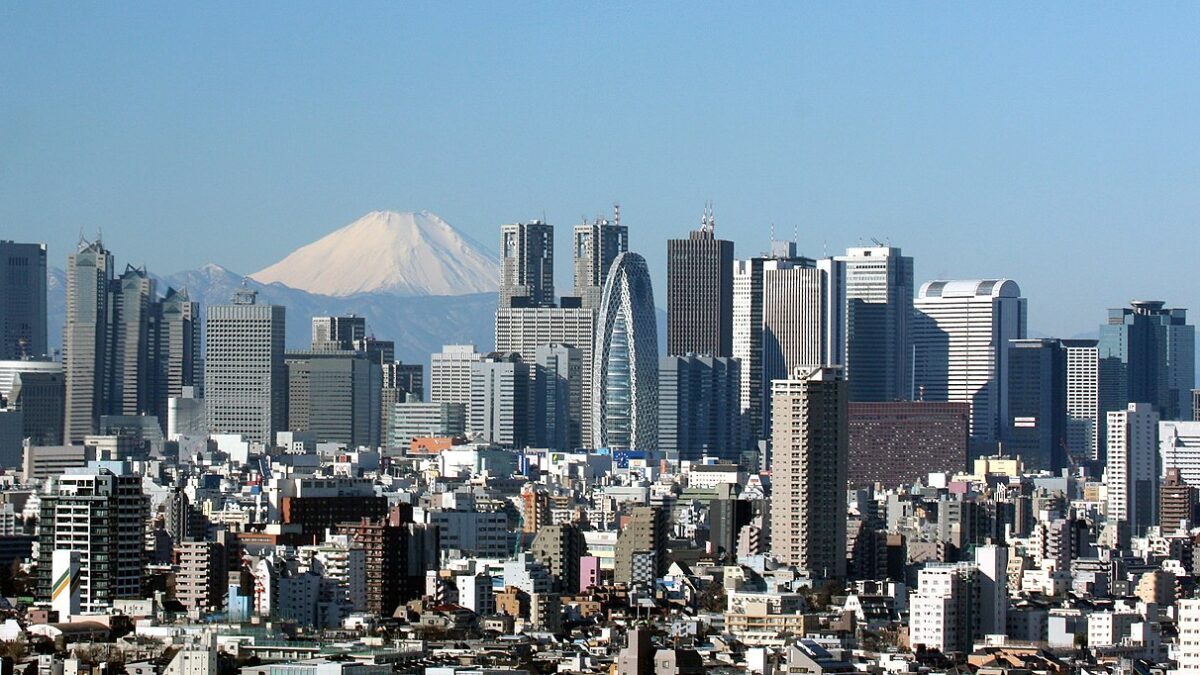
Shinjuku is a dynamic district renowned for its towering skyscrapers, vibrant entertainment scene, including Kabukicho, and the expansive Shinjuku Gyoen National Garden. It offers a mix of modern amenities and pockets of traditional charm.
* Price Range per Night: Budget ¥5,000-¥9,000 ($33-$60), Mid-Range ¥15,000-¥25,000 ($100-$167)
* Best For: Travelers seeking lively nightlife, extensive shopping, and convenient transport links.
* Insider Tip: For panoramic city views without the cost of a high-end restaurant, visit the Tokyo Metropolitan Government Building’s free observation decks.
Asakusa
Asakusa is Tokyo’s historic heart, best known for Senso-ji Temple, Nakamise-dori market, and its traditional atmosphere. It provides a glimpse into the city’s Edo-period past, with charming streets and craft shops.
* Price Range per Night: Budget ¥4,000-¥8,000 ($27-$53), Mid-Range ¥12,000-¥20,000 ($80-$133)
* Best For: Culture enthusiasts, history buffs, and those seeking a more traditional Tokyo experience.
* Insider Tip: Explore the side streets off Nakamise-dori for more authentic local crafts and less crowded dining options.
Ginza
Ginza is Tokyo’s premier upscale shopping district, featuring luxury boutiques, department stores, art galleries, and sophisticated dining establishments. It embodies modern elegance and refined urban living.
* Price Range per Night: Mid-Range ¥20,000-¥35,000 ($133-$233), Luxury ¥40,000+ ($267+)
* Best For: Shoppers, art lovers, and those who appreciate fine dining and a sophisticated urban environment.
* Insider Tip: Visit on a weekend afternoon when the main street (Chuo Dori) is closed to vehicle traffic, becoming a pedestrian paradise.
Best Things to Do in Tokyo
Senso-ji Temple
Senso-ji, Tokyo’s oldest temple, is a significant Buddhist site and a vibrant cultural hub in Asakusa. Its imposing Kaminarimon Gate and Nakamise-dori market offer a tangible connection to the city’s history and spiritual life.
* Average Ticket Price: Free
* Best Time to Visit: Early morning (before 8 AM) to avoid crowds, or late evening for a more serene atmosphere.
* Insider Tip: Purchase omamori (amulets) from the stalls within the temple grounds for authentic souvenirs, and explore the smaller shrines tucked away behind the main hall.
Meiji Jingu Shrine
Dedicated to Emperor Meiji and Empress Shoken, Meiji Jingu is a peaceful Shinto shrine surrounded by a vast forest in the heart of Shibuya. It offers a tranquil escape from the urban bustle.
* Average Ticket Price: Free (gardens have a small fee)
* Best Time to Visit: Weekday mornings for a serene experience; weekends can be busy, especially during events.
* Insider Tip: If you are lucky, you may witness a traditional Shinto wedding procession on weekends.
Tokyo Skytree
This broadcasting and observation tower is one of the world’s tallest structures, offering breathtaking panoramic views of Tokyo and beyond. It’s a modern icon of the city’s skyline.
* Average Ticket Price: ¥2,100-¥3,100 ($14-$21) depending on the deck.
* Best Time to Visit: Late afternoon to witness sunset and the city transition to night; book tickets online in advance.
* Insider Tip: Consider visiting on a clear day for the best visibility. The Solamachi shopping and dining complex at its base offers additional entertainment.
Tsukiji Outer Market
While the inner wholesale fish market has moved, Tsukiji Outer Market remains a bustling hub for fresh seafood, produce, kitchenware, and street food. It’s a culinary adventure for food enthusiasts.
* Average Ticket Price: Free (food purchases vary)
* Best Time to Visit: Morning (9 AM to 2 PM) when stalls are most active; many shops close by late afternoon.
* Insider Tip: Sample various street foods like tamagoyaki (rolled omelet), grilled scallops, and fresh sushi from different vendors.
Ghibli Museum
A whimsical museum dedicated to the art and animation of Studio Ghibli. It’s a must-visit for fans of films like “My Neighbor Totoro” and “Spirited Away.”
* Average Ticket Price: ¥1,000 ($7)
* Best Time to Visit: Tickets are released on the 10th of the preceding month and sell out rapidly; book well in advance. Specific entry times are assigned.
* Insider Tip: The museum is located in Mitaka, a short train ride from central Tokyo. Allow ample time for travel and exploration.
Shibuya Crossing
This iconic intersection is famous for its massive pedestrian scramble, where hundreds of people cross from multiple directions simultaneously. It epitomizes Tokyo’s energetic urban pulse.
* Average Ticket Price: Free
* Best Time to Visit: Any time, but particularly vibrant during peak hours (late afternoon to evening) and weekends.
* Insider Tip: For an excellent vantage point, head to the Starbucks on the second floor of the Tsutaya building or the Mag’s Park rooftop observation deck.
Where to Eat in Tokyo
* Ramen
* Cuisine Type: Noodle soup dish, staple of Japanese comfort food.
* Price Range per Meal: ¥800-¥1,500 ($5-$10)
* What to Order: Tonkotsu (pork bone broth), Shoyu (soy sauce-based), or Miso ramen.
* Location Tip: Explore the “Ramen Street” beneath Tokyo Station for a concentrated selection of top shops.
* Sushi
* Cuisine Type: Vinegared rice combined with seafood and other ingredients.
* Price Range per Meal: ¥3,000-¥10,000+ ($20-$67+) depending on quality and setting.
* What to Order: Omakase (chef’s selection) for an authentic experience, or specific favorites like tuna (maguro) and salmon (sake).
* Location Tip: For a more affordable yet quality experience, visit restaurants around Tsukiji Outer Market or try conveyor belt sushi (kaiten-zushi).
* Tempura
* Cuisine Type: Lightly battered and deep-fried seafood and vegetables.
* Price Range per Meal: ¥2,000-¥5,000 ($13-$33)
* What to Order: Assorted tempura platters featuring shrimp, white fish, and seasonal vegetables.
* Location Tip: Many traditional restaurants in areas like Ginza or Asakusa specialize in high-quality tempura.
* Izakaya Dining
* Cuisine Type: Japanese gastropub offering a wide variety of small dishes and drinks.
* Price Range per Meal: ¥2,000-¥4,000 ($13-$27) per person (excluding extensive drinks)
* What to Order: Yakitori (grilled skewers), karaage (fried chicken), sashimi, and seasonal specialties.
* Location Tip: Explore the atmospheric alleys of Omoide Yokocho (Memory Lane) or Golden Gai in Shinjuku for a classic izakaya experience.
3-Day Tokyo Itinerary
Day 1
* Morning: Arrive at Narita (NRT) or Haneda (HND) airport, transfer to your accommodation. Begin with a visit to Meiji Jingu Shrine for a peaceful start.
* Afternoon: Explore Harajuku’s Takeshita Street for unique fashion and street food, followed by a stroll through the upscale Omotesando avenue.
* Evening: Experience the iconic Shibuya Crossing, have dinner in Shibuya, and perhaps enjoy the city’s nightlife.
* Estimated Daily Cost: ¥25,000-¥40,000 ($167-$267) (Mid-Range)
Day 2
* Morning: Immerse yourself in history at Senso-ji Temple in Asakusa, exploring Nakamise-dori market.
* Afternoon: Visit the Tokyo Skytree for panoramic city views, followed by exploring the Sumida River area.
* Evening: Enjoy a traditional dinner in Asakusa or venture to Ueno for its museums and park.
* Estimated Daily Cost: ¥22,000-¥35,000 ($147-$233) (Mid-Range)
Day 3
* Morning: Explore the culinary delights of Tsukiji Outer Market, sampling fresh seafood and local produce.
* Afternoon: Discover the Imperial Palace East Garden and the surrounding Marunouchi business district.
* Evening: Experience the vibrant atmosphere and diverse dining options in Shinjuku, perhaps visiting the Tokyo Metropolitan Government Building for night views.
* Estimated Daily Cost: ¥20,000-¥33,000 ($133-$220) (Mid-Range)
Transportation Guide
Getting to Tokyo from Narita (NRT) or Haneda (HND) airports is efficient. The Narita Express (N’EX) train offers direct service to major stations like Tokyo, Shinjuku, and Shibuya (approx. ¥3,000-¥4,000, 60-90 mins). Limousine buses are also available, providing door-to-door service to many hotels. From Haneda, the Keikyu Line or Tokyo Monorail are cost-effective options (approx. ¥500-¥700, 30-45 mins).
Tokyo’s public transit system, primarily its extensive subway and JR train networks, is unparalleled. A Suica or Pasmo card (rechargeable smart cards) is essential for seamless travel, costing approximately ¥1,000-¥2,000 ($7-$13) per day for moderate travel within the city. Individual tickets can be purchased but are less convenient. Taxis are available but are significantly more expensive, with a starting fare of around ¥500 ($3.30) and increasing rapidly. Rideshare services are not as prevalent or cost-effective as in many Western cities.
Pro Tip 1: Purchase a Japan Rail Pass if you plan extensive inter-city travel on Shinkansen bullet trains within a 7-day or 14-day period; for Tokyo-only travel, it is generally not cost-effective. A Suica or Pasmo card is the most practical for daily city transit.
Money-Saving Tips
Pro Tip 2: Utilize convenience stores (konbini) like 7-Eleven, FamilyMart, and Lawson for affordable and surprisingly high-quality meals, snacks, and beverages. A full meal can often be purchased for ¥500-¥800 ($3.30-$5.30).
Pro Tip 3: Take advantage of free observation decks like the Tokyo Metropolitan Government Building or the Bunkyo Civic Center for stunning city views, bypassing the entrance fees of paid attractions like Tokyo Skytree.
Common Travel Mistakes
Mistake 1: Over-reliance on cash. While some smaller establishments still prefer cash, most major stores, restaurants, and transport systems now accept credit cards and IC cards (Suica/Pasmo). Ensure your cards are enabled for international transactions.
Mistake 2: Not factoring in travel time between attractions. Tokyo is vast, and while transit is efficient, moving between districts can consume significant time. Always add buffer time to your itinerary.
Frequently Asked Questions
How much money do you need for 3 days in Tokyo?
For a 3-day trip to Tokyo, a budget traveler can expect to spend approximately ¥47,250 ($315). A mid-range traveler would require around ¥119,250 ($795), and a luxury traveler about ¥324,000 ($2,160). These estimates cover accommodation, food, transport, and activities.
Is Tokyo expensive for tourists?
Tokyo’s cost can vary significantly. While it can be expensive, especially for luxury experiences and high-end dining, budget-conscious travelers can manage. Daily costs can be kept around $105, making it comparable to other major global cities, especially when compared to places like Dubai.
What is the best area to stay in Tokyo?
The “best” area depends on your interests. Shinjuku is ideal for nightlife and convenience, Asakusa for historical charm, and Shibuya for trendsetting culture. For a balance of accessibility and diverse offerings, Shinjuku often serves as a prime choice.
Can you visit Tokyo without a car?
Absolutely. Tokyo has one of the most extensive and efficient public transportation systems in the world, consisting of subways and JR trains. A car is unnecessary and would likely be a hindrance due to traffic and parking challenges.
What is the cheapest month to visit Tokyo?
The cheapest months to visit Tokyo are generally January and February, excluding the New Year holiday period. This off-season offers lower accommodation prices and fewer crowds, though the weather is colder.

Kai has visited 60+ countries across 6 continents, with a obsession for one thing most travelers ignore: the real cost of getting there. Former budget backpacker turned data-driven travel writer, Kai breaks down destination costs so you can plan smarter — not just dream bigger. Based everywhere, from nowhere in particular.