Muscat vs Salalah: Which City Should You Visit?
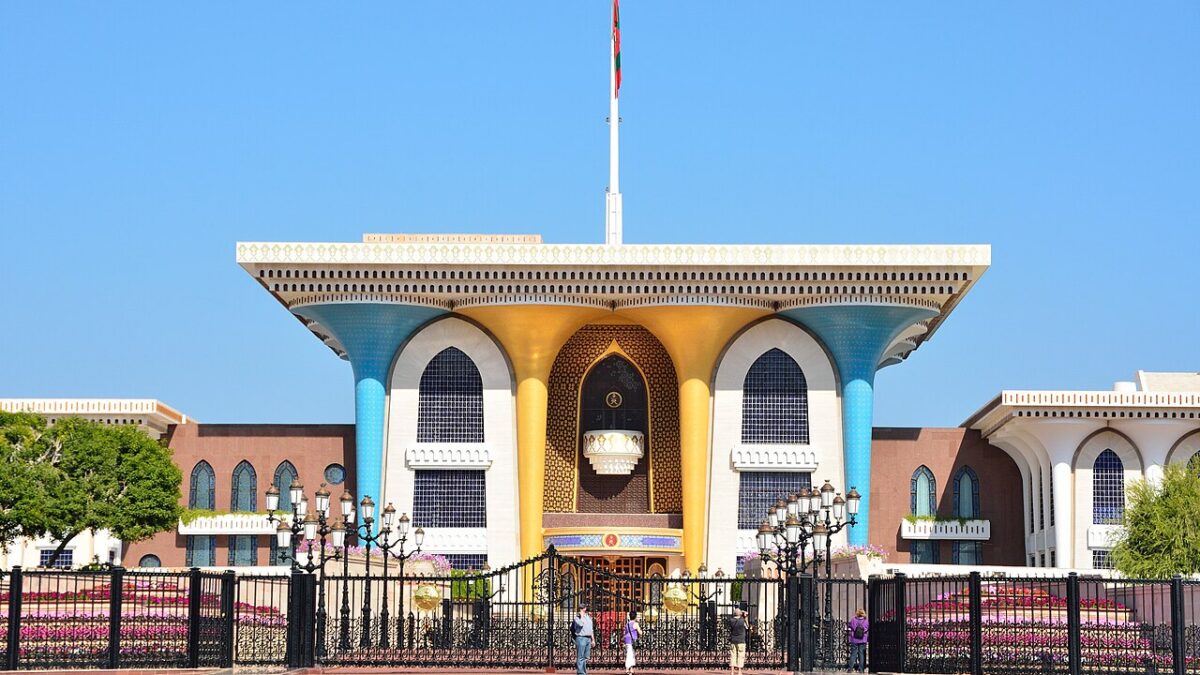
Choosing between Muscat and Salalah for your Omani adventure hinges on your travel priorities. Muscat, the nation’s capital, offers a sophisticated blend of tradition and modernity, ideal for travelers seeking a well-rounded cultural experience with excellent infrastructure and a vibrant arts scene. Salalah, on the other hand, is a nature lover’s paradise, characterized by its lush landscapes, monsoon climate, and a more relaxed, tropical vibe, perfect for those yearning for natural beauty and a distinctively different Omani experience.
Muscat vs Salalah: Quick Comparison
For the discerning traveler seeking a polished introduction to Oman, Muscat stands out with its grand architecture, bustling souks, and world-class museums. It offers a more curated and accessible experience for those who appreciate efficiency and a wide array of amenities. Salalah, nestled in the southern Dhofar region, presents a starkly contrasting charm. Its allure lies in its untamed natural beauty, particularly during the Khareef (monsoon) season, making it a haven for eco-tourists and those seeking a tranquil escape amidst verdant hills and stunning coastlines.
Cost Comparison
| Category | Muscat (USD) | Salalah (USD) |
|---|---|---|
| Accommodation (per night, mid-range) | 80 – 150 | 60 – 120 |
| Food (per day, mid-range) | 40 – 70 | 30 – 50 |
| Transport (per day, local) | 15 – 30 | 20 – 40 |
| Activities (per day, average) | 50 – 100 | 40 – 80 |
| Daily Total (estimated) | 185 – 350 | 150 – 290 |
Atmosphere & Culture
Muscat
Muscat exudes an air of regal elegance. The city’s architecture is a harmonious blend of traditional Omani design, characterized by domed mosques and intricately carved wooden balconies, with modern, low-rise buildings that respect the natural landscape. The pace of life is measured, allowing for a relaxed exploration of its cultural offerings. The local culture is deeply rooted in Islamic traditions and Omani hospitality, evident in the polite interactions and the reverence for heritage. The presence of art galleries, theaters, and a thriving culinary scene adds a contemporary layer to its traditional core.
Salalah
Salalah possesses a distinctly tropical and laid-back atmosphere. Its culture is heavily influenced by its proximity to Yemen and the historic frankincense trade routes. The architecture is more modest, with whitewashed buildings often adorned with colorful accents. During the Khareef season, the region transforms into a lush green paradise, attracting visitors seeking respite from the desert heat. The pace of life is slow and unhurried, encouraging a deeper connection with nature and a more intimate cultural experience. The Dhofari people are known for their warm hospitality and unique traditions.
Things to Do
Here are the top highlights for each city:
Muscat
- Sultan Qaboos Grand Mosque: A breathtaking architectural marvel, showcasing Islamic art and design on a grand scale.
- Mutrah Souq: An ancient marketplace alive with the scent of frankincense and spices, perfect for finding traditional crafts and souvenirs.
- Royal Opera House Muscat: A stunning venue that hosts world-class performances, reflecting Oman’s commitment to the arts.
Salalah
- Wadi Darbat: A picturesque valley featuring waterfalls, clear pools, and lush vegetation, especially vibrant during the Khareef.
- Al Mughsail Beach & Blowholes: Witness the raw power of nature as waves crash against dramatic cliffs and spout through natural blowholes.
- Sumhuram Old City (Khor Rori): Explore the ruins of an ancient port city that was once a vital center for the frankincense trade, a UNESCO World Heritage site.
Food Scene
Muscat
Muscat’s food scene is diverse, offering everything from traditional Omani fare to international cuisines. Expect flavorful dishes rich in spices, rice, and grilled meats. The price range for a mid-range meal is typically $40 – $70 per person per day. Must-try dishes include Shuwa (slow-cooked lamb marinated in spices), Harees (a savory porridge of wheat and meat), and fresh seafood. The capital also boasts numerous fine-dining establishments and international restaurants.
Salalah
Salalah’s cuisine is influenced by its southern location and historical trade links, featuring a distinct Dhofari flavor. The focus is on fresh ingredients, often with a spicy kick. A mid-range daily food budget is around $30 – $50 per person. Key culinary experiences include trying local seafood, such as grilled fish and calamari, and sampling dishes with local fruits like coconuts and bananas. Don’t miss the opportunity to try Machboos (spiced rice with meat or fish) and regional curries.
Best For…
- Budget travelers: Salalah, with its generally lower accommodation and food costs, offers a more budget-friendly experience, especially outside peak season.
- Foodies: Muscat, with its wider range of international and fine-dining options alongside traditional Omani cuisine, caters to a broader spectrum of culinary interests.
- History lovers: Both cities offer significant historical sites. Muscat has its ancient forts and Mutrah Souq, while Salalah boasts the UNESCO-listed Sumhuram Old City and other frankincense trail remnants.
- Nightlife: Muscat offers a more developed nightlife scene with bars and clubs in hotels, while Salalah’s nightlife is considerably more subdued and focused on relaxed evenings.
- Families: Muscat, with its numerous family-friendly attractions like the Oman Aquarium and the Sultan’s Armed Forces Museum, provides a more structured and varied experience for families.
Our Verdict
For a sophisticated cultural immersion and a blend of historical sites with modern amenities, Muscat is the superior choice. If your heart yearns for dramatic natural landscapes, lush greenery, and a tranquil escape, Salalah is the destination that will captivate you. Both cities offer a unique and enriching Omani experience, catering to different travel styles and preferences.

Kai has visited 60+ countries across 6 continents, with a obsession for one thing most travelers ignore: the real cost of getting there. Former budget backpacker turned data-driven travel writer, Kai breaks down destination costs so you can plan smarter — not just dream bigger. Based everywhere, from nowhere in particular.