Thimphu vs Paro: Which City Should You Visit?
For the traveler seeking the pulse of Bhutanese modernity intertwined with tradition, Thimphu beckons. For those drawn to the spiritual heart and iconic landscapes, Paro is the undisputed champion. This comparison will guide your decision based on your priorities.
Thimphu vs Paro: Quick Comparison
Thimphu, the capital city, offers a more cosmopolitan experience with a greater concentration of modern amenities, government institutions, and a slightly faster pace of life. It’s ideal for those who want to understand contemporary Bhutanese society alongside its cultural heritage. Paro, on the other hand, embodies the quintessential Bhutanese charm, renowned for its ancient monasteries, breathtaking valley, and the iconic Tiger’s Nest monastery. It is the perfect destination for spiritual seekers and those craving dramatic natural beauty and historical immersion.
Cost Comparison
| Category | Thimphu (USD) | Paro (USD) |
|---|---|---|
| Accommodation (Mid-range hotel per night) | 100-200 | 120-250 |
| Food (Per person, per day) | 30-60 | 35-70 |
| Transport (Local taxi, per day) | 20-40 | 25-50 |
| Activities (Entrance fees, guided tours) | 50-100 | 60-120 |
| Daily Total (Approximate) | 200-400 | 235-490 |
Atmosphere & Culture
Thimphu
Thimphu presents a unique blend of tradition and modernity. As the capital, it has a more developed infrastructure, with a wider array of restaurants, shops, and cultural centers. The pace of life is noticeably more dynamic than in other parts of Bhutan, yet it retains a profound respect for tradition. Architecture in Thimphu often features traditional Bhutanese design elements, but with modern construction techniques. You’ll find government buildings, art galleries, and bustling markets alongside ancient temples and monasteries. The local culture is evident in the daily lives of its residents, from the preservation of national dress to the prevalence of traditional arts and crafts.
Paro
Paro exudes a serene and deeply spiritual atmosphere. The valley is dotted with ancient monasteries and temples, many of which are still active centers of Buddhist practice. The pace of life here is significantly slower and more contemplative, allowing visitors to truly absorb the tranquility of the surroundings. Traditional Bhutanese architecture is dominant, with beautifully preserved farmhouses and dzongs (fortresses) that speak volumes of the region’s rich history. The culture is deeply intertwined with Buddhism, and the local people are known for their warm hospitality and adherence to traditional customs. The iconic landscape, with the Paro River flowing through the valley, adds to its picturesque charm.
Things to Do
| Thimphu Highlights | Paro Highlights |
|---|---|
1. Buddha DordenmaA colossal statue of Buddha, offering panoramic views of the Thimphu valley. It’s a significant religious site and a popular spot for reflection. |
1. Paro Taktsang (Tiger’s Nest Monastery)The most iconic landmark in Bhutan, perched precariously on a cliffside. The hike to the monastery is a challenging yet incredibly rewarding spiritual and physical journey. |
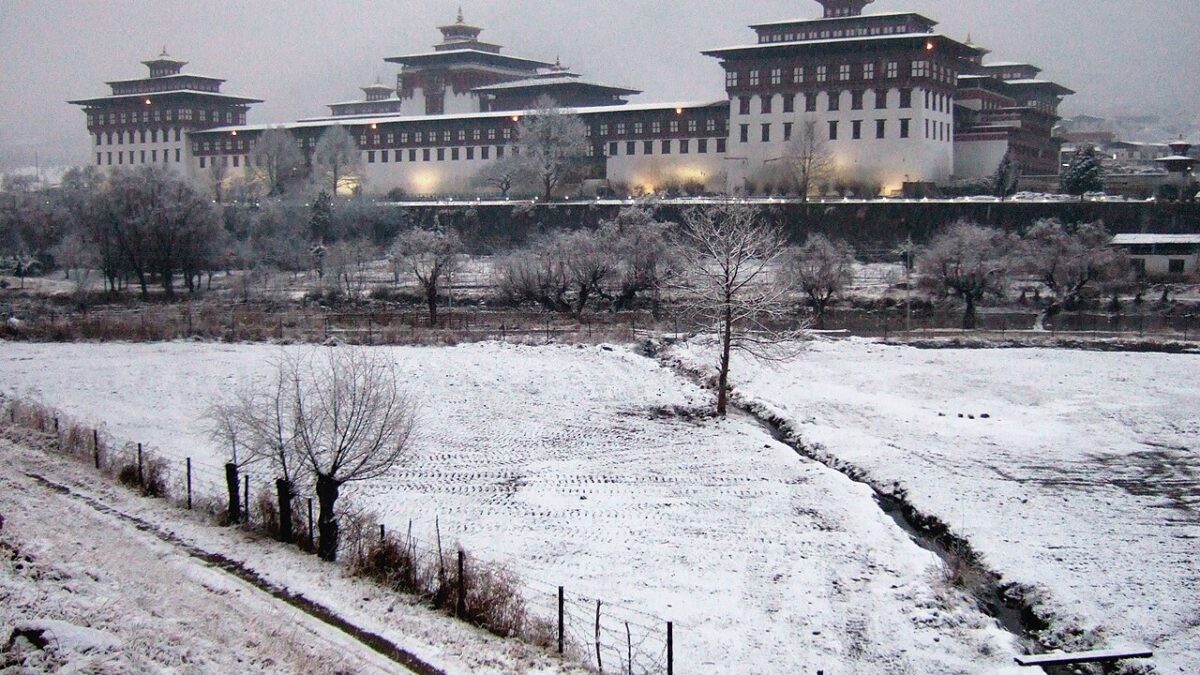
2. Tashichho DzongThe impressive fortress that houses the throne room of His Majesty the King and government offices. It’s a magnificent example of Bhutanese architecture and a center of governance. |
2. Kyichu LhakhangOne of the oldest and most sacred temples in Bhutan, dating back to the 7th century. It is believed to have been built to pin down the left foot of a giant demoness. |
3. National Memorial ChortenA prominent landmark where locals circumambulate, spin prayer wheels, and offer prayers. It’s a hub of spiritual activity and a testament to Bhutanese devotion. |
3. National Museum of Bhutan (Ta Dzong)Housed in an ancient watchtower above the Paro Dzong, this museum offers a comprehensive overview of Bhutanese history, culture, and art. |
Food Scene
Thimphu
Thimphu boasts the most diverse culinary scene in Bhutan. You’ll find a range of restaurants offering Bhutanese, Indian, Chinese, and Western cuisines. While traditional Bhutanese dishes remain popular, the capital offers more contemporary dining experiences. Expect to find a greater variety of vegetarian options and international flavors. The price range for a meal can vary from $5-$15 for local eateries to $20-$40 for upscale restaurants.
Must-try dishes: Ema Datshi (chilies and cheese stew), Phaksha Paa (pork with red chilies), Jasha Maroo (spicy chicken stew).
Paro
Paro’s food scene is more focused on traditional Bhutanese cuisine, often served in guesthouses and local restaurants. While options are less varied than in Thimphu, the authenticity and freshness of the ingredients are paramount. Many visitors enjoy the hearty and flavorful meals prepared with local produce. The price range is generally similar to Thimphu, with meals costing between $5-$15 for local options and $15-$30 for hotel restaurants.
Must-try dishes: Similar to Thimphu, with a strong emphasis on Ema Datshi and local red rice. Look out for variations of local vegetable stews and grilled meats.
Best For…
- Budget travelers: Thimphu often offers slightly more budget-friendly accommodation and dining options due to a wider range of choices.
- Foodies: Thimphu wins for its diversity, offering a broader spectrum of flavors and dining experiences.
- History lovers: Both cities are rich in history, but Paro’s ancient temples and dzongs, coupled with the iconic Tiger’s Nest, provide a more profound historical and spiritual immersion.
- Nightlife: Thimphu offers a more developed nightlife scene with a few bars and pubs. Paro is very quiet in the evenings.
- Families: Both cities are family-friendly. Thimphu might offer more varied activities for children, while Paro’s natural beauty and gentle pace can be equally engaging.
Our Verdict
For a blend of cultural immersion and modern Bhutanese life, Thimphu is the superior choice. For those seeking the iconic spiritual heartland and breathtaking natural beauty, Paro is unparalleled. You can find more detailed information in our Thimphu travel guide and Paro travel guide.

Kai has visited 60+ countries across 6 continents, with a obsession for one thing most travelers ignore: the real cost of getting there. Former budget backpacker turned data-driven travel writer, Kai breaks down destination costs so you can plan smarter — not just dream bigger. Based everywhere, from nowhere in particular.