Erbil vs Basra: Which City Should You Visit?
Erbil vs Basra: Quick Comparison
For the traveler seeking a blend of ancient history and modern development with a distinct Kurdish character, Erbil stands out. Conversely, for those drawn to Iraq’s southern heritage, vibrant port city life, and the allure of the Mesopotamian landscape, Basra offers a compelling experience. This comparison will delve into the nuances of each city to guide your decision.
Cost Comparison
| Category | Erbil (USD) | Basra (USD) |
|---|---|---|
| Accommodation (Mid-range hotel per night) | 50 – 100 | 40 – 80 |
| Food (Per person, per day) | 20 – 40 | 15 – 30 |
| Transport (Local, per day) | 5 – 10 | 5 – 10 |
| Activities (Per person, per day) | 15 – 30 | 10 – 20 |
| Daily Total (Estimate) | 90 – 180 | 70 – 140 |
Atmosphere & Culture
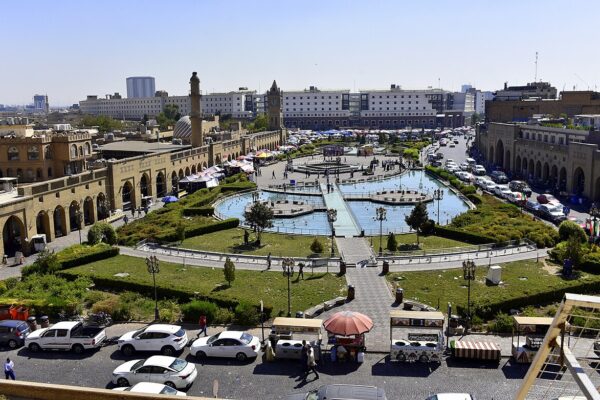
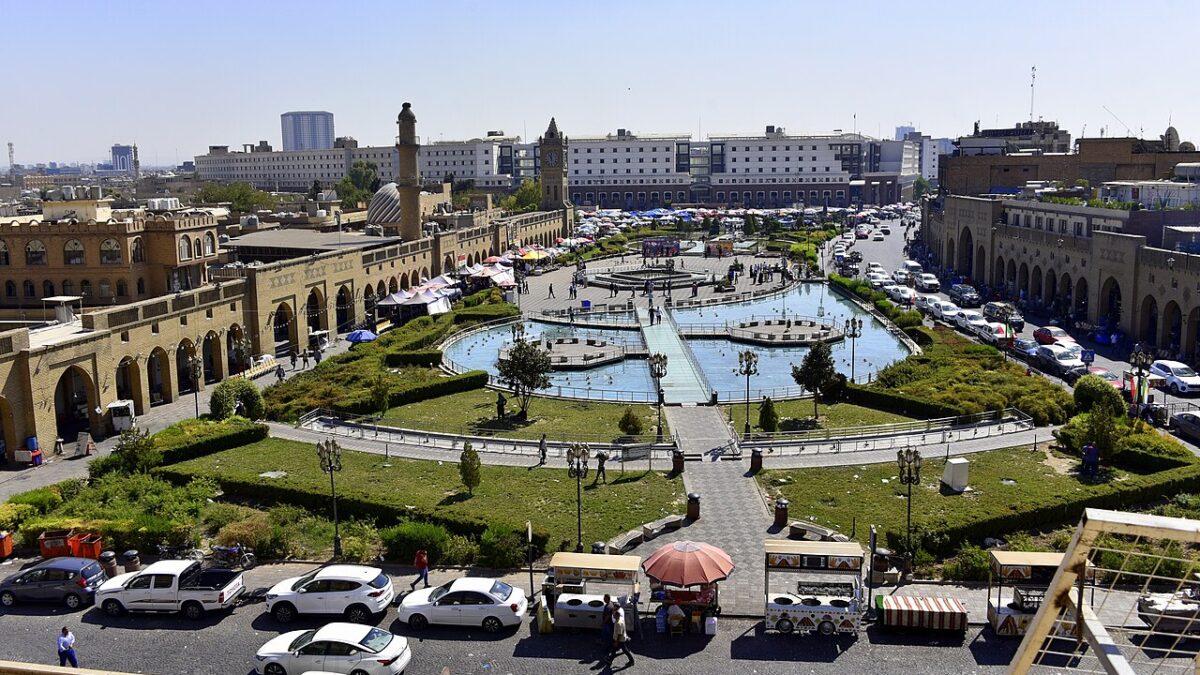
Erbil, the capital of the Kurdistan Region of Iraq, presents a dynamic atmosphere. It is a city that successfully marries its ancient heritage, most notably embodied by the UNESCO World Heritage-listed Erbil Citadel, with rapid modernization. The pace of life is relatively brisk, particularly in the commercial districts, yet maintains a friendly and welcoming aura. Architecture ranges from traditional stone buildings within the citadel to modern high-rises and sprawling residential areas. The local culture is distinctly Kurdish, characterized by a strong sense of identity, hospitality, and a vibrant arts scene. You will find a notable presence of women in public life and a generally more liberal social environment compared to some other parts of Iraq.
Basra, situated in southern Iraq at the confluence of the Tigris and Euphrates rivers, possesses a unique charm as Iraq’s primary port city. Its atmosphere is more laid-back, influenced by its maritime heritage and proximity to the Persian Gulf. The pace of life is generally slower, with a focus on community and tradition. Architecturally, Basra showcases a blend of Ottoman-era buildings, colonial influences, and more recent developments, though many older structures bear the marks of time and conflict. The culture here is deeply rooted in Arab traditions, with a strong emphasis on poetry, music, and family. The city’s history as a major trade hub is palpable, contributing to a cosmopolitan yet distinctly Iraqi character.
Things to Do
Erbil:
- Erbil Citadel: Explore this ancient, continuously inhabited citadel, a UNESCO World Heritage site offering breathtaking views and a glimpse into millennia of history.
- Qaysari Bazaar: Wander through the labyrinthine alleys of this historic bazaar, a sensory experience filled with local crafts, spices, and textiles.
- Saddam Hussein Park & Erbil Corniche: Enjoy a leisurely stroll or relax in these green spaces, offering a pleasant respite from the urban bustle and views of the modern city.
Basra:
- The Shatt al-Arab Riverfront: Experience the maritime heart of Basra by walking along the riverbanks, observing dhows and barges, and enjoying the coastal breeze.
- Basra Museum: Discover artifacts and exhibits detailing the rich history of Mesopotamia and the city’s ancient past.
- Corniche & Al-Mutanabbi Street: Stroll along the revitalized corniche and explore the literary hub of Al-Mutanabbi Street, a testament to Basra’s intellectual heritage.
Food Scene
Erbil’s culinary landscape is a delightful exploration of Kurdish cuisine. Expect hearty, flavorful dishes often featuring lamb, chicken, and an abundance of fresh vegetables and herbs. Key dishes include Kabab (grilled meats), Biryani (spiced rice with meat), and various lentil and vegetable stews. The price range for a satisfying meal in a mid-range restaurant typically falls between $20 to $40 per person. For a more local and affordable experience, street food and smaller eateries can offer delicious options for $15 to $30.
Basra’s food scene is heavily influenced by its proximity to the Persian Gulf and its Arab heritage. Seafood plays a prominent role, with fresh fish and shrimp being staples. Traditional Iraqi dishes like Masgouf (grilled carp) are popular, as are various rice-based dishes and flavorful stews. Expect a price range of $15 to $30 per person for a meal in a standard restaurant. For those seeking authentic local flavors at lower prices, exploring the city’s markets and smaller eateries is recommended, with meals often costing between $10 to $20.
Best For…
- Budget travelers: Basra generally offers slightly lower costs for accommodation and food, making it more accessible for budget-conscious visitors.
- Foodies: Both cities offer unique culinary experiences. Erbil excels in hearty Kurdish fare, while Basra shines with its fresh seafood and traditional Iraqi dishes. The choice depends on your preference.
- History lovers: Erbil, with its ancient citadel, offers a more direct and tangible connection to millennia of continuous history.
- Nightlife: Erbil has a more developed and diverse nightlife scene, with a greater number of bars and entertainment venues catering to a wider audience.
- Families: Both cities offer safe environments and attractions suitable for families. Erbil’s parks and modern amenities might appeal, while Basra’s riverfront and museums provide cultural enrichment.
Our Verdict
Erbil is the superior choice for travelers prioritizing ancient history, a more modern infrastructure, and a vibrant Kurdish cultural experience. Basra, on the other hand, is ideal for those seeking the unique atmosphere of southern Iraq’s port city, a rich maritime heritage, and a more traditional Arab cultural immersion.
For a comprehensive exploration of each destination, consult our Erbil travel guide and Basra travel guide.

Kai has visited 60+ countries across 6 continents, with a obsession for one thing most travelers ignore: the real cost of getting there. Former budget backpacker turned data-driven travel writer, Kai breaks down destination costs so you can plan smarter — not just dream bigger. Based everywhere, from nowhere in particular.