Thimphu, Bhutan: How Many Days Do You Need?
How Many Days Do You Need in Thimphu?
A minimum of 1 to 2 days is sufficient for a brief overview of Thimphu’s main attractions. However, an ideal trip duration to truly appreciate the city’s cultural nuances, historical sites, and surrounding beauty is 3 to 4 days. For those seeking a more in-depth experience, including day trips to nearby valleys and exploring less-visited spots, an extended stay of 5 to 7 days is recommended.
Quick Visit: 1-2 Days
A 1- to 2-day visit to Thimphu allows for a focused exploration of the capital’s most significant landmarks. This timeframe is suitable for travelers on a tight schedule or those using Thimphu as a brief stopover before heading to other regions of Bhutan. The focus will be on iconic sites that provide a foundational understanding of Bhutanese culture and governance.
- Day 1: Morning: Buddha Dordenma, National Memorial Chorten. Afternoon: Folk Heritage Museum, National Textile Museum. Evening: Explore Norzin Lam street.
- Day 2: Morning: Takin Preserve, Weekend Market (if applicable). Afternoon: Tashichho Dzong (exterior view and grounds), Changangkha Lhakhang. Evening: Departure or onward travel.
Ideal Trip: 3-4 Days
A 3- to 4-day itinerary represents the sweet spot for experiencing Thimphu. This duration allows for a more relaxed pace, enabling deeper engagement with the city’s attractions, including opportunities for cultural immersion and a glimpse into local life. It provides enough time to visit key monasteries, museums, and viewpoints without feeling rushed.
- Day 1: Focus on iconic landmarks and cultural institutions.
- Day 2: Explore crafts, arts, and local markets, with a visit to a prominent dzong.
- Day 3: Dedicate time to viewpoints, the unique national animal, and perhaps a leisurely walk.
- Day 4 (Optional/Extended): Incorporate a short day trip or revisit favorite spots.
Extended Stay: 5-7 Days
An extended stay of 5 to 7 days in Thimphu opens up opportunities for more comprehensive exploration. This allows for day trips to nearby valleys such as Punakha or Haa (requiring an early start and full day), exploring off-the-beaten-path monasteries, attending local festivals if dates align, or engaging in activities like hiking or meditation retreats. This longer duration is ideal for those who wish to delve deeply into Bhutanese traditions and enjoy a more immersive travel experience.
Sample 3-Day Itinerary
Day 1: Cultural Icons and Heritage
This day focuses on Thimphu’s most revered landmarks and its rich cultural heritage.
Morning (9:00 AM – 1:00 PM)
- Buddha Dordenma: Visit the colossal bronze statue offering panoramic views of the Thimphu valley. (Estimated cost: Entrance is free, transport approx. $15-20)
- National Memorial Chorten: Observe devotees circumambulating this significant stupa, a focal point of daily worship. (Estimated cost: Entrance is free, transport approx. $10-15)
Afternoon (1:00 PM – 5:00 PM)
- Folk Heritage Museum: Gain insight into traditional Bhutanese rural life and household objects. (Estimated cost: Entrance fee $5, transport approx. $10)
- National Textile Museum: Admire the intricate artistry of Bhutanese weaving and traditional costumes. (Estimated cost: Entrance fee $5, transport approx. $10)
Evening (5:00 PM onwards)
- Stroll along Norzin Lam, Thimphu’s main street, and explore local handicraft shops. (Estimated cost: Dinner approx. $20-30)
| Estimated Daily Cost (Day 1) | USD |
|---|---|
| Attractions & Entrance Fees | 10 |
| Transportation | 35-45 |
| Meals | 20-30 |
| Total | 65-85 |
Day 2: Arts, Crafts, and Governance
This day delves into Bhutan’s artistic expressions and its administrative heart.
Morning (9:00 AM – 1:00 PM)
- Takin Preserve: Observe the unique national animal of Bhutan in its natural habitat. (Estimated cost: Entrance fee $5, transport approx. $15)
- Weekend Market (if applicable): Immerse yourself in the vibrant local market, a hub for produce and crafts. (Estimated cost: Free to browse, transport approx. $10)
Afternoon (1:00 PM – 5:00 PM)
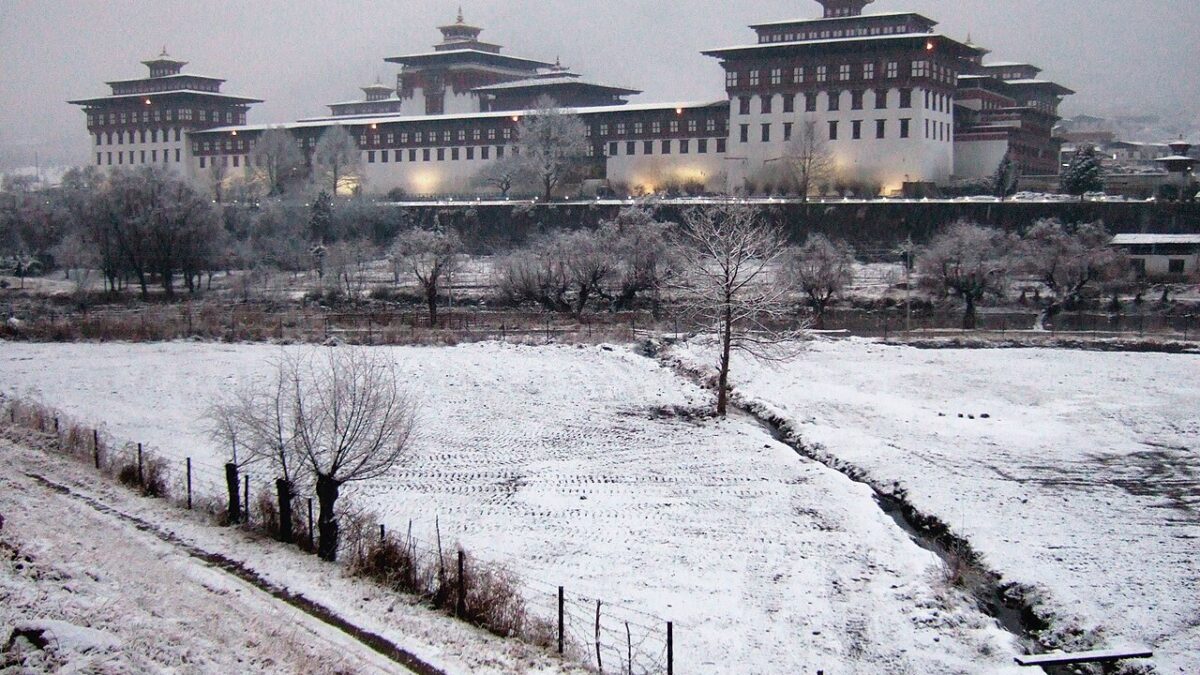
- Tashichho Dzong: Visit the impressive fortress housing the King’s throne room and government offices. Note: Visitors are typically allowed after office hours or on weekends. (Estimated cost: Entrance is free, transport approx. $10-15)
- National Institute for Zorig Chusum (Arts & Crafts School): Witness students learning the 13 traditional Bhutanese arts and crafts. (Estimated cost: Entrance fee $5, transport approx. $10)
Evening (5:00 PM onwards)
- Explore the Craft Bazaar for authentic souvenirs. (Estimated cost: Dinner approx. $20-30)
| Estimated Daily Cost (Day 2) | USD |
|---|---|
| Attractions & Entrance Fees | 10 |
| Transportation | 35-40 |
| Meals | 20-30 |
| Total | 65-80 |
Day 3: Views and Local Life
This day offers scenic vistas and a chance to connect with local spiritual sites.
Morning (9:00 AM – 1:00 PM)
- Changangkha Lhakhang: Visit this ancient temple, popular with parents seeking blessings for their children. (Estimated cost: Entrance is free, transport approx. $10-15)
- Simply Bhutan Museum: A living museum showcasing Bhutanese traditions, lifestyle, and hospitality. (Estimated cost: Entrance fee $10, transport approx. $10)
Afternoon (1:00 PM – 5:00 PM)
- Cheri Monastery (optional hike): For the active, a moderate hike to this historic monastery offers serene surroundings and beautiful views. (Estimated cost: Entrance is free, transport approx. $15-20, guide recommended)
- Alternatively, explore the National Library and Archives or the Bhutan Postal Museum for philatelic interests. (Estimated cost: Entrance fees $5 each, transport approx. $10)
Evening (5:00 PM onwards)
- Enjoy a final Bhutanese dinner or revisit a favorite spot. (Estimated cost: Dinner approx. $20-30)
| Estimated Daily Cost (Day 3) | USD |
|---|---|
| Attractions & Entrance Fees | 5-15 (depending on Cheri hike) |
| Transportation | 30-45 |
| Meals | 20-30 |
| Total | 55-90 |
Itinerary Planning Tips
- Pacing: Avoid over-scheduling. Bhutanese culture values a slower pace. Allow ample time for spontaneous interactions and to absorb the atmosphere. For a 3-4 day trip, aim for 2-3 major activities per day.
- Transit: Transportation within Thimphu is best arranged via your hotel or a local tour operator. Taxis are available but less common for tourist use. For day trips outside the city, a private vehicle is essential.
- Neighborhoods: Thimphu is relatively compact. Key areas of interest are concentrated around the city center, including Norzin Lam, and the higher elevations for viewpoints and monasteries. Familiarize yourself with the location of your accommodation relative to these sites.
- Reservations: While not always mandatory for individual attractions in Thimphu, it is advisable to book accommodations and any specific tours or guides in advance, especially during peak tourist seasons, to ensure availability and preferred rates. Consult a comprehensive Thimphu travel guide for detailed booking information.

Kai has visited 60+ countries across 6 continents, with a obsession for one thing most travelers ignore: the real cost of getting there. Former budget backpacker turned data-driven travel writer, Kai breaks down destination costs so you can plan smarter — not just dream bigger. Based everywhere, from nowhere in particular.