How Many Days Do You Need in Thimphu, Bhutan?
Determining the optimal duration for a visit to Thimphu, Bhutan, hinges on your travel objectives and desired depth of exploration. A minimum of two days is necessary to grasp the city’s essence, while an ideal itinerary of three to four days allows for a more comprehensive experience. For those seeking to delve into the surrounding valleys or engage in more leisurely pursuits, an extended stay of five to seven days is recommended.
How Many Days Do You Need in Thimphu?
For a foundational understanding of Thimphu’s cultural and historical significance, a minimum of two days is advisable. This allows for a focused exploration of key landmarks and a glimpse into daily life. However, the ideal duration for a truly immersive experience in Thimphu and its immediate surroundings is between three and four days. This timeframe provides ample opportunity to visit major attractions, engage with local culture, and perhaps undertake a short excursion into the nearby valleys. An extended stay of five to seven days is best suited for travelers who wish to explore off-the-beaten-path sites, enjoy a slower pace, or incorporate day trips to more distant destinations within the Thimphu district.
Quick Visit: 1-2 Days
A one to two-day visit to Thimphu necessitates a highly focused itinerary, prioritizing the most iconic and essential sites. This duration is suitable for travelers on a tight schedule or those using Thimphu as a brief transit point. Expect to cover the city’s central attractions and gain a general impression of Bhutanese culture and urban life.
- Day 1: Focus on central Thimphu. Visit the National Memorial Chorten, Buddha Dordenma statue for panoramic views, and the Folk Heritage Museum to understand traditional Bhutanese life. In the afternoon, explore the Textile Museum and the Takin Preserve.
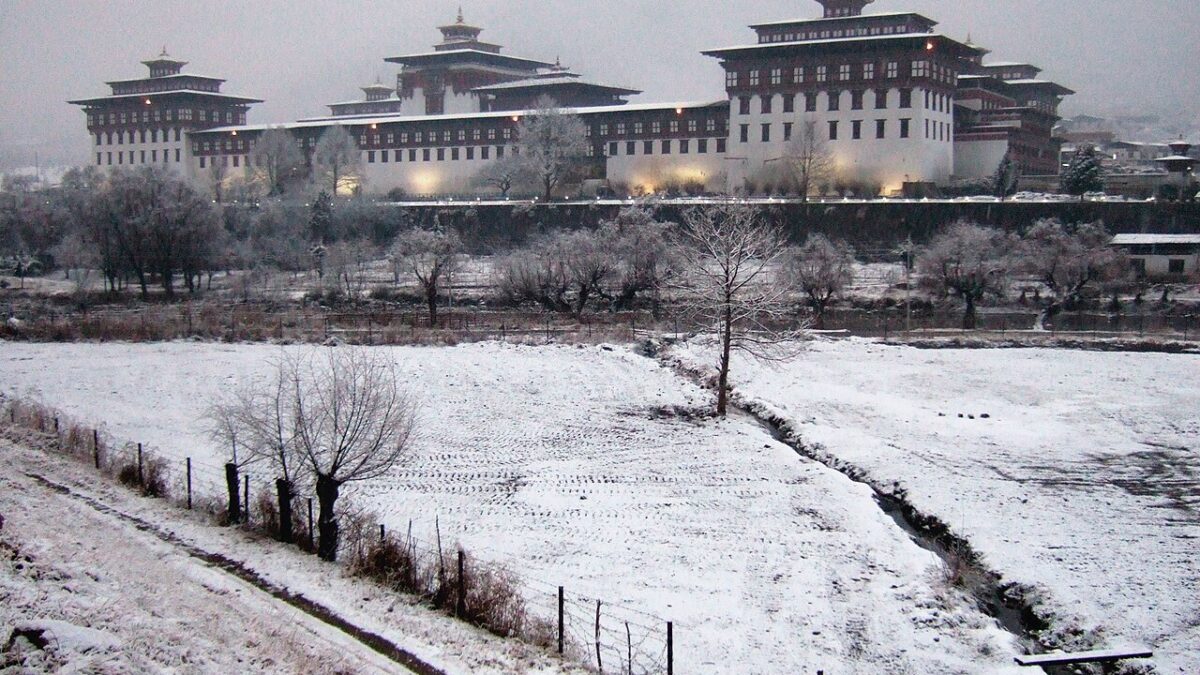
- Day 2: Dedicate the morning to the weekend market (if applicable) for local produce and handicrafts. Visit the Institute for Zorig Chusum (Arts and Crafts School) to observe traditional Bhutanese art forms. Depending on time, a brief visit to the Tashichho Dzong (fortress) in the late afternoon can be accommodated.
Ideal Trip: 3-4 Days
A three to four-day itinerary represents the sweet spot for exploring Thimphu. This duration allows for a more relaxed pace, enabling deeper engagement with the city’s attractions and a better appreciation of its cultural nuances. You can comfortably cover all the major historical and cultural sites, explore local markets, and potentially include a short hike or a visit to a nearby village.
- Day 1: Cultural Immersion. Begin with the National Memorial Chorten, followed by the majestic Buddha Dordenma statue. Explore the Folk Heritage Museum and the National Textile Museum to understand Bhutan’s rich traditions.
- Day 2: Arts, Crafts, and Nature. Visit the Institute for Zorig Chusum to witness traditional arts. Explore the Takin Preserve. In the afternoon, visit the weekend market (if visiting on a weekend) for authentic local experiences.
- Day 3: Dzong and Panoramic Views. Dedicate the morning to exploring the impressive Tashichho Dzong. In the afternoon, consider a hike to Cheri Monastery or Tango Monastery for spiritual reflection and scenic beauty.
- Day 4 (Optional): Day trip to Punakha Valley or explore more of Thimphu’s outskirts, such as the Dechen Phodrang Monastery.
Extended Stay: 5-7 Days
An extended stay of five to seven days in Thimphu is ideal for travelers who wish to explore beyond the immediate city limits, engage in more leisurely activities, or delve deeper into Bhutanese culture and spirituality. This allows for significant day trips, opportunities for hiking, and a more profound understanding of the region.
- Day Trips: Undertake day trips to the picturesque Punakha Valley (visiting the Punakha Dzong and Chimi Lhakhang), the scenic Phobjikha Valley (known for its black-necked cranes during winter), or the Dochula Pass for breathtaking Himalayan vistas.
- Deeper Exploration: Explore lesser-known monasteries and temples in and around Thimphu, such as the Changangkha Lhakhang or the National Institute for Traditional Medicine.
- Off-the-Beaten-Path: Engage in longer hikes, visit local villages, or participate in cultural workshops if available. This duration allows for a more personal and less rushed experience of Bhutan.
Sample 3-Day Itinerary
Day 1: Cultural Foundations
Morning (9:00 AM – 12:00 PM): Begin at the National Memorial Chorten, a prominent stupa built in memory of the third King. Then, proceed to the impressive Buddha Dordenma, a giant Shakyamuni Buddha statue offering panoramic views of the Thimphu valley. Estimated cost: $30 (entry fees, transport).
Afternoon (1:00 PM – 5:00 PM): Immerse yourself in Bhutanese heritage at the Folk Heritage Museum, showcasing rural life, and the National Textile Museum, highlighting intricate weaving techniques. Visit the Takin Preserve to see Bhutan’s national animal. Estimated cost: $40 (entry fees, transport, lunch).
Evening (6:00 PM onwards): Enjoy a leisurely stroll through the city center, observing local life. Consider a traditional Bhutanese dinner. Estimated cost: $30 (dinner).
Daily Estimated Cost: $100
Day 2: Arts, Crafts, and Local Life
Morning (9:00 AM – 12:00 PM): Witness the dedication to traditional arts at the Institute for Zorig Chusum (Arts and Crafts School), where students learn Bhutan’s thirteen traditional crafts. Estimated cost: $20 (transport, potential small donations).
Afternoon (1:00 PM – 5:00 PM): If your visit coincides with the weekend, explore the vibrant Centenary Farmers’ Market to interact with locals and sample regional produce. Alternatively, visit the handicraft market for souvenirs. Estimated cost: $50 (transport, lunch, souvenirs).
Evening (6:00 PM onwards): Experience a traditional hot stone bath (optional) for relaxation, followed by dinner. Estimated cost: $40 (dinner, optional bath).
Daily Estimated Cost: $110
Day 3: Spirituality and Governance
Morning (9:00 AM – 12:00 PM): Visit Tashichho Dzong, the seat of Bhutan’s government and monastic body. Admire its impressive architecture and learn about its historical significance. Note: Dzong visiting hours are typically after office hours on weekdays and during weekends. Estimated cost: $30 (transport, guide fee if applicable).
Afternoon (1:00 PM – 5:00 PM): Embark on a moderate hike to Cheri Monastery or Tango Monastery, offering serene environments and beautiful valley views. Alternatively, visit the National Library and Archives for a glimpse of ancient Buddhist texts. Estimated cost: $40 (transport, packed lunch).
Evening (6:00 PM onwards): Enjoy a farewell dinner, reflecting on your Thimphu experience. Estimated cost: $30 (dinner).
Daily Estimated Cost: $100
Itinerary Planning Tips
- Pacing: Bhutanese culture emphasizes a slower pace of life. Avoid over-scheduling your days to allow for spontaneous interactions and to truly absorb the environment. The provided sample itineraries offer a balanced approach.
- Transit: Within Thimphu, taxis are readily available and reasonably priced. For longer excursions or day trips, your tour operator or hotel can arrange private vehicles. Walking is also a pleasant way to explore the central parts of the city.
- Neighborhoods: Thimphu is relatively compact. Key areas of interest are clustered around the main street, Norzin Lam, and the areas surrounding the major dzongs and monasteries. Familiarize yourself with these central points for efficient exploration.
- Reservations: While many attractions in Thimphu do not require advance booking, it is advisable to book accommodations and any special experiences, such as cultural shows or guided hikes, in advance, especially during peak tourist seasons. For comprehensive information on planning your trip, consult our Thimphu travel guide.

Kai has visited 60+ countries across 6 continents, with a obsession for one thing most travelers ignore: the real cost of getting there. Former budget backpacker turned data-driven travel writer, Kai breaks down destination costs so you can plan smarter — not just dream bigger. Based everywhere, from nowhere in particular.