How Many Days Do You Need in Paro, Bhutan?
How Many Days Do You Need in Paro?
The optimal duration for a visit to Paro, Bhutan, depends on your interests and travel pace. A minimum of 1-2 days is required to experience the absolute highlights, but 3-4 days is considered the ideal length for a comprehensive and immersive exploration of Paro Valley and its immediate surroundings. For those seeking a deeper dive into Bhutanese culture, history, and the natural beauty of the region, an extended stay of 5-7 days allows for more leisurely exploration and day trips to nearby significant locations.
Quick Visit: 1-2 Days
A 1-2 day trip to Paro is feasible for travelers with limited time, focusing on the most iconic landmarks. This itinerary prioritizes efficiency, allowing you to witness the essential sights without extensive exploration. It is best suited for those who have a tight schedule and are primarily interested in the most famous attractions.
Day 1: Arrival and Iconic Landmarks
- Morning: Arrive at Paro International Airport (PBH), transfer to your hotel, and check-in.
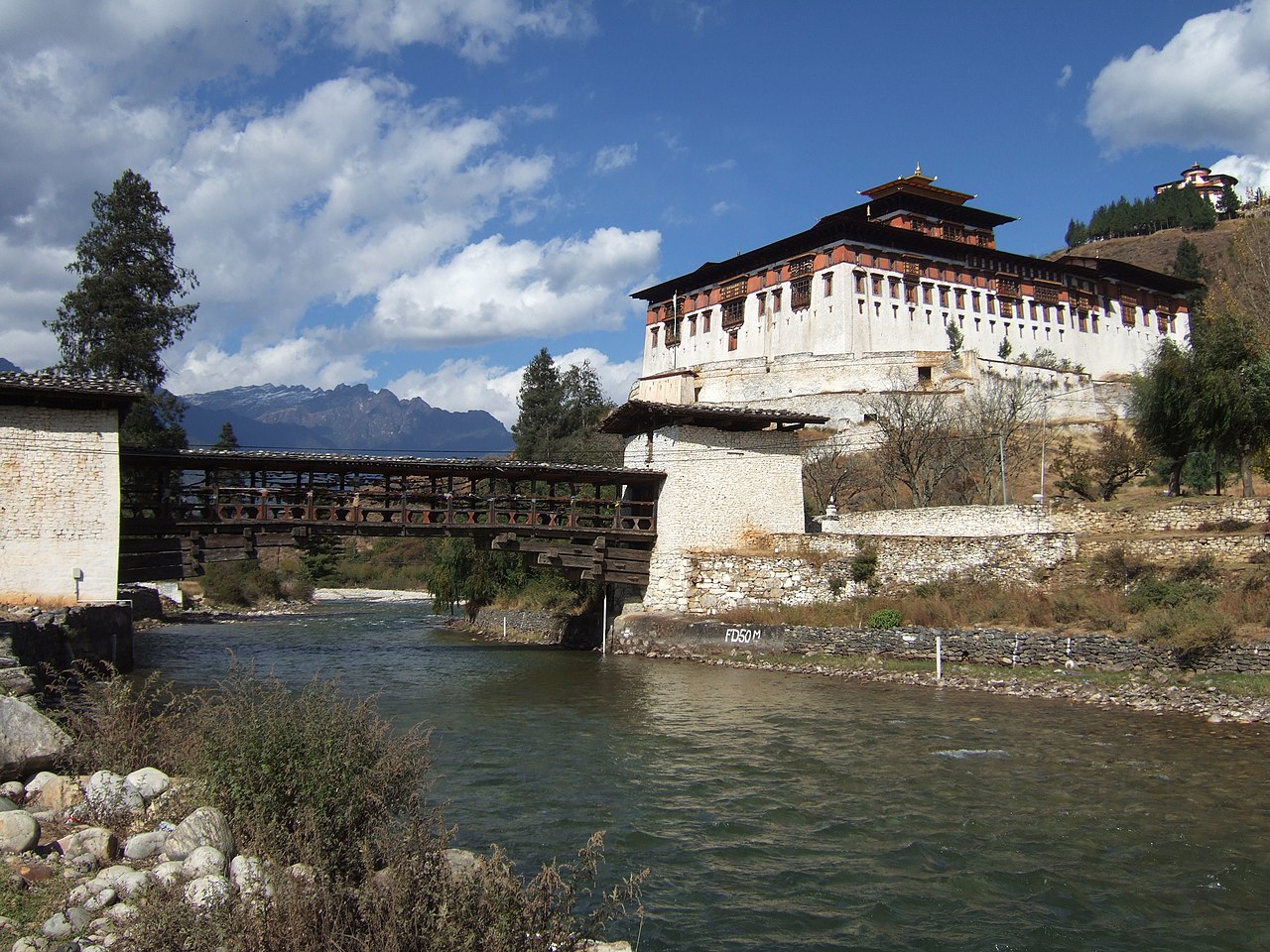
- Afternoon: Visit the National Museum of Bhutan (Ta Dzong) for an introduction to Bhutanese history and culture. Explore Rinpung Dzong, a magnificent fortress-monastery that serves as the administrative and religious center of the district.
- Evening: Stroll through Paro town, experiencing the local atmosphere.
Day 2: The Tiger’s Nest Hike
- Morning: Embark on the hike to Paro Taktsang (Tiger’s Nest Monastery), Bhutan’s most revered spiritual site. This is a significant physical undertaking, taking approximately 4-5 hours round trip.
- Afternoon: Descend from Tiger’s Nest. Depending on time and energy levels, a brief visit to Kyichu Lhakhang, one of Bhutan’s oldest temples, can be considered.
- Evening: Departure from Paro.
Ideal Trip: 3-4 Days
A 3-4 day itinerary provides the ideal balance for experiencing Paro. This duration allows for a more relaxed pace, enabling you to absorb the spiritual and cultural significance of the sites without feeling rushed. It offers sufficient time to appreciate the architectural marvels, engage with local life, and undertake the essential Tiger’s Nest hike comfortably. This is the recommended duration for most first-time visitors to Paro.
Day 1: Arrival and Dzong Exploration
- Morning: Arrive at Paro International Airport (PBH), transfer to your hotel, and check-in.
- Afternoon: Visit the National Museum of Bhutan (Ta Dzong) and Rinpung Dzong. Dedicate ample time to exploring the intricate details and historical context of these sites.
- Evening: Explore Paro town, visit local handicraft shops, and enjoy dinner at a local restaurant.
Day 2: The Majestic Tiger’s Nest Hike
- Morning: Undertake the hike to Paro Taktsang (Tiger’s Nest Monastery). Allow for a full morning and early afternoon to complete this iconic pilgrimage.
- Afternoon: After descending, visit Kyichu Lhakhang, one of the oldest and most sacred temples in Bhutan.
- Evening: Relax and enjoy the tranquil atmosphere of Paro Valley.
Day 3: Cultural Immersion and Local Life
- Morning: Visit the Drukgyel Dzong ruins, a historic fortress that once defended against Tibetan invasions.
- Afternoon: Experience a traditional Bhutanese farmhouse visit to understand local customs and hospitality. Consider a short trek to Zuri Dzong for panoramic views of the valley.
- Evening: Enjoy a traditional Bhutanese hot stone bath for a relaxing experience.
Extended Stay: 5-7 Days
An extended stay of 5-7 days in Paro offers the opportunity to delve deeper into the region’s offerings. This allows for more extensive day trips, exploration of lesser-known monasteries, and a more profound understanding of Bhutanese life and traditions. It is suitable for those who wish to explore beyond the primary tourist circuit and seek a more immersive travel experience. This duration also accommodates a more leisurely pace, allowing for serendipitous discoveries and personal reflection. For a more in-depth understanding of the region, consult our comprehensive Paro travel guide.
Potential Additions for Extended Stays:
- Day Trip to Haa Valley: Explore the remote and picturesque Haa Valley, known for its pristine landscapes and ancient temples.
- Chele La Pass Excursion: Travel to the highest motorable pass in Bhutan, offering breathtaking views of the Himalayas and surrounding valleys.
- Phobjikha Valley (Gangtey): While a longer day trip or an overnight stay, Phobjikha Valley is famous for the endangered Black-necked Cranes (seasonal) and its stunning glacial landscape.
- Archery Demonstration: Witness Bhutan’s national sport, archery, which is often played with great enthusiasm and traditional fanfare.
- Bhutanese Cooking Class: Learn to prepare traditional Bhutanese dishes.
- Meditation Retreat: Engage in a short meditation session at a local monastery.
Sample 3-Day Itinerary
Day 1: Arrival and Ancient Fortresses
Morning:
- Arrival at Paro International Airport (PBH).
- Meet your guide and driver.
- Transfer to your hotel in Paro for check-in and rest.
Afternoon:
- Visit the National Museum of Bhutan (Ta Dzong), housed in an ancient watchtower, offering insights into Bhutanese art, artifacts, and history.
- Explore Rinpung Dzong, a large monastery and fortress, marveling at its impressive architecture and sacred murals.
Evening:
- Wander through Paro town, browse local shops for handicrafts, and enjoy dinner at a restaurant serving Bhutanese cuisine.
Estimated Daily Cost (per person, excluding flights and visa fees): $250 – $350 (includes accommodation, meals, guide, transport, and entrance fees. Bhutan operates on a Minimum Daily Package Rate).
Day 2: The Iconic Tiger’s Nest Hike
Morning:
- Early breakfast at the hotel.
- Drive to the base of Taktsang Monastery.
- Begin the hike to Paro Taktsang (Tiger’s Nest Monastery), a challenging but rewarding ascent. The hike takes approximately 4-5 hours round trip, with options for horse rides part of the way.
Afternoon:
- Descend from Taktsang.
- Visit Kyichu Lhakhang, one of Bhutan’s oldest and most sacred temples, known for its spiritual ambiance.
Evening:
- Relax at your hotel or enjoy a leisurely walk. Consider a traditional hot stone bath for rejuvenation.
Estimated Daily Cost (per person): $260 – $360 (similar inclusions to Day 1, with potential additional cost for hot stone bath).
Day 3: Historical Ruins and Local Life
Morning:
- Visit the ruins of Drukgyel Dzong, a historic fortress offering panoramic views and a glimpse into Bhutan’s past defenses.
- Explore a traditional Bhutanese farmhouse to experience local hospitality and learn about rural life.
Afternoon:
- Optional: Short hike to Zuri Dzong for scenic valley views.
- Last-minute souvenir shopping in Paro town.
Evening:
- Farewell dinner.
- Transfer to Paro International Airport (PBH) for departure.
Estimated Daily Cost (per person): $240 – $340 (includes accommodation, meals, guide, transport, and entrance fees).
Itinerary Planning Tips
When planning your Paro itinerary, consider the following practical advice to ensure a smooth and enriching experience.
- Pacing: Bhutanese travel emphasizes mindfulness and appreciation. Avoid over-scheduling. Allow ample time for each site, especially the Tiger’s Nest hike, which requires significant physical exertion and time.
- Transit: All travel within Bhutan, including in Paro, is typically arranged through your tour operator. Private vehicles with experienced drivers are the standard mode of transport, ensuring comfort and efficiency.
- Neighborhoods: Paro Valley is relatively compact, with most attractions concentrated within the valley. Your hotel will likely be in or near Paro town, providing convenient access to amenities and transport for excursions.
- Reservations: Due to Bhutan’s high-value, low-impact tourism policy, all travel arrangements, including accommodation, guides, and transportation, must be booked through a licensed Bhutanese tour operator. This ensures that all necessary permits and services are pre-arranged.

Kai has visited 60+ countries across 6 continents, with a obsession for one thing most travelers ignore: the real cost of getting there. Former budget backpacker turned data-driven travel writer, Kai breaks down destination costs so you can plan smarter — not just dream bigger. Based everywhere, from nowhere in particular.