5 Days in Dublin: Pubs, Parks & Georgian Doors
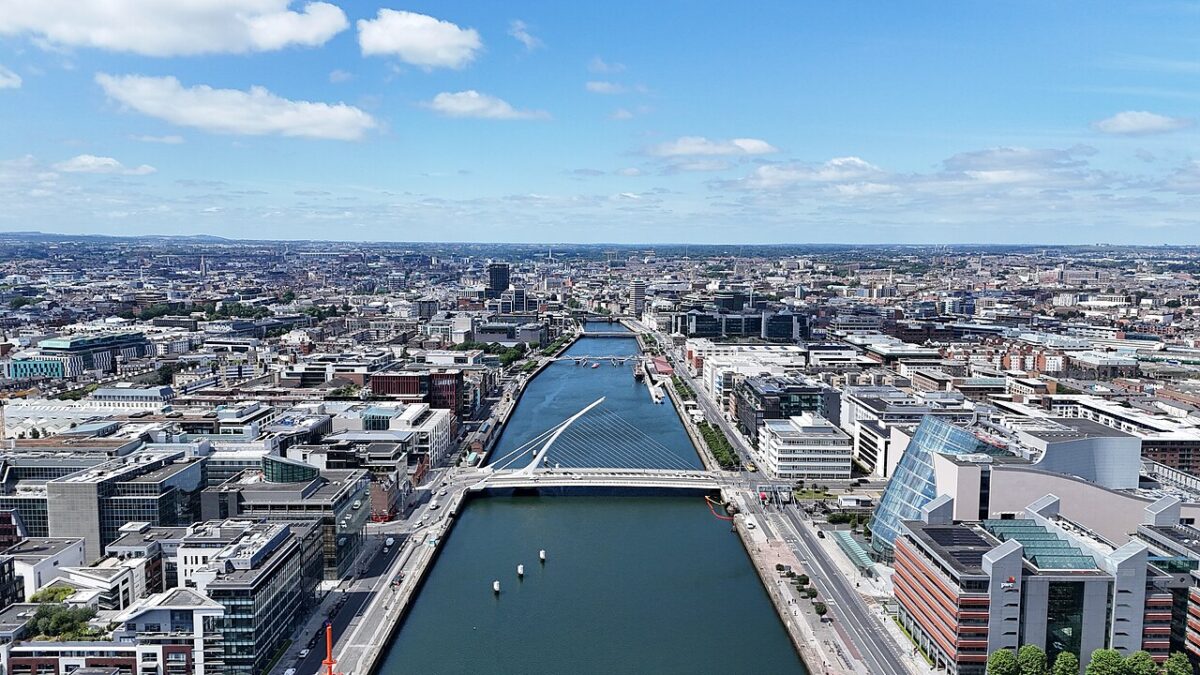
Embark on an unforgettable journey with this comprehensive Dublin travel guide, designed to navigate the historic streets and lively culture of Ireland’s capital. From its storied past evident in medieval castles and literary giants, to the pulsating energy of its traditional pubs and modern culinary scene, Dublin offers a unique blend of heritage and contemporary charm. Discover essential tips on Dublin travel cost, where to stay in Dublin, the best things to do in Dublin, and craft your perfect Dublin itinerary.
Why Visit Dublin?
Dublin, a city steeped in history and brimming with character, offers an unparalleled travel experience. Its rich cultural tapestry is woven from centuries of stories, from Viking settlements to the birthplaces of literary giants like James Joyce and W.B. Yeats. Visitors are drawn to its friendly atmosphere, the warmth of its people, and the omnipresent spirit of craic – the Irish term for fun and lively conversation.
Beyond the historical allure, Dublin boasts a dynamic contemporary scene. World-class museums and galleries stand alongside modern architectural marvels. The city’s legendary pub culture provides a lively backdrop for traditional music sessions and convivial evenings, while a burgeoning culinary scene delights with both traditional Irish fare and innovative international dishes. Dublin serves as an ideal gateway to explore the breathtaking natural beauty of Ireland, making it a perfect destination for both city breaks and longer adventures.
Average Travel Cost in Dublin
Understanding the Dublin travel cost is crucial for planning your trip. Dublin is comparable to other major Western European capitals in terms of expense. Prices can fluctuate based on the season, with peak summer months and major holidays seeing higher rates.
This table provides a general daily cost comparison for 2026, helping you budget for your adventure.
| Category | Budget (€) | Mid-Range (€) | Luxury (€) |
|---|---|---|---|
| Hotel/Accommodation | 40 – 70 (Hostel) | 180 – 280 (3-4 Star) | 400+ (5 Star) |
| Food | 30 – 50 (Self-catering, casual eats) | 70 – 120 (Restaurants, pub meals) | 150+ (Fine dining, multiple courses) |
| Transport | 10 – 15 (Public transport pass) | 15 – 25 (Public transport, occasional taxi) | 40+ (Taxis, private transfers) |
| Attractions | 0 – 20 (Free museums, parks) | 30 – 60 (1-2 paid attractions) | 80 – 150 (Multiple paid attractions, tours) |
| Total Daily Cost | 80 – 155 | 295 – 485 | 670 – 805+ |
These figures are estimates for a single person. Couples can expect to double accommodation costs, but food and transport might not scale linearly. Always factor in additional spending for souvenirs, unexpected treats, and a buffer for your Dublin budget travel.
Where to Stay in Dublin
Choosing where to stay in Dublin significantly impacts your experience, offering different vibes and price points. The city center is generally walkable, but public transport is efficient for venturing further afield.
-
Temple Bar: This iconic area is the heart of Dublin’s nightlife and cultural quarter. It’s incredibly central, making it ideal for first-time visitors who want to be amidst the action, close to many major attractions, pubs, and restaurants. However, it can be noisy, especially at night, and accommodation here tends to be among the most expensive.
Price Range: High-End (€250-€500+ per night for hotels; hostels €60-€100+)
-
Grafton Street / St Stephen’s Green: For a more upscale and elegant experience, this area offers luxury shopping, beautiful Georgian architecture, and proximity to cultural institutions. It’s still very central but slightly more refined than Temple Bar, with excellent dining options and a pleasant atmosphere. It’s perfect for those seeking comfort and convenience.
Price Range: Mid-Range to Luxury (€200-€450+ per night)
-
Portobello / Rathmines: Located just south of the city center, these vibrant residential neighborhoods offer a more local feel and better value for money. They are well-connected by bus and a pleasant walk from St Stephen’s Green. You’ll find a great selection of independent cafes, restaurants, and traditional pubs, providing an authentic Dublin experience away from the main tourist hustle.
Price Range: Budget to Mid-Range (€120-€250 per night for hotels/guesthouses; hostels €40-€70)
Best Things to Do in Dublin
Dublin is brimming with attractions that cater to every interest, from historical sites to lively cultural experiences. Here are some of the best things to do in Dublin.
- Guinness Storehouse: A must-visit for many, this immersive experience tells the story of Ireland’s most famous stout. Explore seven floors of interactive exhibits, learn about the brewing process, and enjoy a complimentary pint with panoramic city views from the Gravity Bar.
- Trinity College & The Book of Kells: Wander through the historic grounds of Ireland’s oldest university. The Old Library houses the magnificent Book of Kells, an illuminated manuscript dating back to the 9th century, a true masterpiece of early Christian art.
- Dublin Castle: This complex of buildings was once the seat of English, and later British, rule in Ireland. Explore the State Apartments, the Chapel Royal, and the medieval undercroft, offering a glimpse into centuries of Irish history.
- St. Patrick’s Cathedral: Ireland’s largest cathedral, founded in 1191, boasts stunning Gothic architecture and rich historical connections, including Jonathan Swift, author of “Gulliver’s Travels,” who was once its dean.
- Kilmainham Gaol: A former prison that played a significant role in Irish nationalism, holding many leaders of Irish rebellions. A guided tour offers a poignant and insightful look into Ireland’s struggle for independence.
- National Museum of Ireland – Archaeology: Discover Ireland’s ancient past, from prehistoric gold artifacts to Viking treasures, all housed in a beautiful Victorian building. Entry to the National Museums is free.
- Temple Bar: While often bustling and touristy, this cultural quarter is worth a stroll. Admire its vibrant street art, browse independent shops, and soak in the atmosphere, perhaps enjoying a traditional music session in one of its famous pubs.
- Phoenix Park: One of Europe’s largest enclosed urban parks, home to a herd of wild fallow deer. It’s perfect for walking, cycling, or visiting attractions like Dublin Zoo and Áras an Uachtaráin (the official residence of the President of Ireland).
- Grafton Street: Dublin’s premier shopping street is a lively pedestrian thoroughfare. Enjoy street performers, buskers, and high-end retail therapy, particularly around Christmas when the lights are spectacular.
- A Literary Pub Crawl: Dublin is a UNESCO City of Literature. Join a guided pub crawl that blends history, anecdotes, and readings from famous Irish writers in atmospheric pubs. It’s a fun and informative way to explore the city’s literary heritage.
Where to Eat in Dublin
Dublin’s food scene has evolved dramatically, offering everything from hearty traditional fare to innovative modern cuisine. Here are some of the best restaurants in Dublin and food experiences to seek out.
- Traditional Pub Grub: For an authentic taste of Ireland, visit a historic pub like The Brazen Head (Dublin’s oldest pub, est. 1198) or The Winding Stair. Here you can savor classics such as Irish stew, coddle, or a hearty full Irish breakfast. The atmosphere is just as important as the food.
- Leo Burdock’s: A Dublin institution since 1913, this is the place for classic fish and chips. Expect generous portions of perfectly battered fish and chunky chips, best enjoyed wrapped in paper and eaten al fresco near Christchurch Cathedral.
- Chapter One by Mickael Viljanen: For a truly special occasion, this Michelin-starred restaurant offers exquisite modern Irish cuisine with a focus on seasonal, locally sourced ingredients. It’s a splurge, but an unforgettable dining experience.
- Fumbally Café: Located in the Liberties, this popular spot is renowned for its wholesome, creative, and delicious breakfast and lunch offerings. Their Middle Eastern-inspired dishes, fresh salads, and excellent coffee make it a local favorite.
- Street Food & Markets: Explore markets like the Temple Bar Food Market (Saturdays) or the rotating vendors at Eatyard (various locations). These offer a fantastic array of international and local street food, perfect for a casual and diverse meal.
- L. Mulligan Grocer: Situated in Stoneybatter, this gastropub is famous for its extensive whiskey collection and exceptional food. They elevate traditional pub fare with high-quality ingredients and creative twists, making it a fantastic spot for dinner.
3-Day Dublin Itinerary
This Dublin itinerary is designed to give you a comprehensive taste of the city’s highlights, blending history, culture, and local experiences.
Day 1: Historic Heart & Literary Legacy
Begin your Dublin adventure at the prestigious Trinity College, marveling at the ancient architecture and securing your timed ticket for the Book of Kells. Afterwards, take a leisurely stroll through the historic grounds before heading to Dublin Castle. Explore its State Apartments, Chapel Royal, and the atmospheric medieval undercroft.
In the afternoon, immerse yourself in spiritual history at St. Patrick’s Cathedral, admiring its Gothic grandeur. Conclude your day in the vibrant Temple Bar district. While it can be touristy, it’s worth experiencing the lively atmosphere, enjoying dinner at a traditional pub, and catching some live Irish music.
Day 2: Stout, Struggle & Serenity
Start your day with a powerful journey through Irish history at Kilmainham Gaol. This former prison offers a poignant insight into Ireland’s fight for independence; booking tickets well in advance is essential. Following this sobering experience, lighten the mood with a visit to the iconic Guinness Storehouse.
Spend your afternoon exploring the seven floors of interactive exhibits, learning about the brewing process, and culminating your visit with a complimentary pint and panoramic views from the Gravity Bar. In the late afternoon, seek serenity in Phoenix Park, one of Europe’s largest urban parks, perhaps spotting some of the resident wild deer before heading back into the city for dinner.
Day 3: Coastal Charms & Cultural Depths
Dedicate your final day to a blend of natural beauty and cultural enrichment. Take a morning DART (commuter train) journey north to the picturesque fishing village of Howth. Enjoy a scenic cliff walk offering breathtaking views of Dublin Bay, then treat yourself to fresh seafood for lunch at one of Howth’s acclaimed restaurants.
Return to Dublin in the afternoon and delve into the National Museum of Ireland – Archaeology. With free admission, you can explore fascinating exhibits ranging from prehistoric gold to Viking artifacts. As evening approaches, consider a literary pub crawl or simply find a cozy, less touristy pub outside of Temple Bar for a final pint and a chat with locals, reflecting on your memorable trip to Dublin.
Transportation Guide
Dublin is a very walkable city, especially its central core. However, for longer distances or when tired, an efficient public transport network is available.
-
From Dublin Airport (DUB):
- Aircoach & Dublin Express: These private bus services offer comfortable, direct transfers to various city center locations. They run frequently and are generally quicker than public buses.
- Dublin Bus (Route 700/702/704): Public buses are a more budget-friendly option, with routes connecting the airport to the city center. Be aware that exact change or a Leap Card is required.
-
Within the City:
- Walking: Many of Dublin’s main attractions are within easy walking distance of each other. This is often the best way to soak in the atmosphere and discover hidden gems.
- Dublin Bus: An extensive network covering the entire city and suburbs. Buses are frequent but can be affected by traffic.
- LUAS (Tram): Dublin’s tram system has two lines (Green and Red) connecting key areas. It’s fast and efficient for specific routes.
- DART (Dublin Area Rapid Transit): A coastal commuter train that runs along Dublin Bay, offering scenic views and connecting the city center to charming coastal towns like Howth and Bray.
- Taxis & Ride-Sharing: Taxis are readily available at ranks and can be hailed on the street. Ride-sharing apps also operate in Dublin.
- Leap Card: This is highly recommended for public transport. It’s a reusable smart card that offers cheaper fares than cash and can be used on Dublin Bus, LUAS, DART, and some commuter rail services. You can purchase and top up Leap Cards at newsagents, convenience stores, and transport hubs.
Money-Saving Tips
Traveling to Dublin doesn’t have to break the bank. Here are some practical tips for Dublin budget travel.
- Utilize Free Attractions: Dublin boasts several excellent free museums, including the National Museum of Ireland (Archaeology, Natural History, Decorative Arts & History), the National Gallery of Ireland, and Chester Beatty Library. Phoenix Park and St Stephen’s Green are also free to explore.
- Walk Everywhere: Dublin’s city center is compact. Walking not only saves on transport costs but also allows you to discover charming streets and hidden corners you might otherwise miss.
- Cook Your Own Meals: If your accommodation has kitchen facilities, buying groceries from supermarkets (like Tesco, Lidl, Aldi) and preparing some meals can significantly reduce food expenses.
- Eat Lunch Deals: Many pubs and restaurants offer “lunch specials” or “early bird” menus that provide excellent value compared to dinner prices.
- Avoid Temple Bar for Drinks: While atmospheric, pubs in Temple Bar are notoriously expensive. Venture slightly outside the main tourist hub (e.g., to Aungier Street, Camden Street, or Portobello) for more reasonably priced pints and a more local pub experience.
- Consider a Dublin Pass: If you plan to visit many paid attractions, calculate if a Dublin Pass (or similar city pass) offers savings. It’s not always cost-effective for every traveler, so do the math based on your intended itinerary.
- Take Public Transport: Opt for the Leap Card for cheaper fares on buses, trams, and trains instead of relying solely on taxis.
Frequently Asked Questions
Is Dublin expensive for tourists?
Dublin can be considered an expensive city, comparable to other major Western European capitals like London or Paris, particularly for accommodation and dining in popular areas. However, with careful planning and by utilizing money-saving tips, it is possible to experience Dublin on a budget. Prices for attractions and transport are generally reasonable, but hotels and restaurant meals can add up quickly.
What is the best time to visit Dublin?
The best time to visit Dublin is generally during the shoulder seasons (April-May and September-October). During these months, the weather is milder, tourist crowds are thinner than in summer, and accommodation prices can be slightly lower. Summer (June-August) offers the warmest weather and longest daylight hours but also sees the highest tourist numbers and prices. Winter (November-March) can be cold and wet, but the city offers festive charm around Christmas and fewer crowds.
How many days do I need to explore Dublin?
To experience the main highlights of Dublin comfortably, a 3-day Dublin itinerary is recommended. This allows enough time to visit major attractions like Trinity College, Guinness Storehouse, and Dublin Castle, enjoy the pub culture, and perhaps take a half-day trip to a nearby coastal town. For a more in-depth exploration or if you plan day trips further afield, 4-5 days would be ideal.
Is Dublin safe for tourists?
Dublin is generally a safe city for tourists. Like any major urban area, it’s wise to be aware of your surroundings, especially at night or in crowded areas. Petty crime like pickpocketing can occur, particularly in tourist hotspots like Temple Bar or on crowded public transport. Avoid walking alone in poorly lit areas late at night and keep valuables secure. Emergency services are reliable and easily accessible.
What is the best way to get around Dublin?
The best way to get around Dublin’s city center is often on foot, as many major attractions are within walking distance. For longer distances, Dublin boasts an efficient public transport network including Dublin Bus, LUAS (tram), and DART (commuter train). Purchasing a Leap Card is highly recommended for cheaper fares and ease of use across all public transport options. Taxis and ride-sharing services are also readily available.

Kai has visited 60+ countries across 6 continents, with a obsession for one thing most travelers ignore: the real cost of getting there. Former budget backpacker turned data-driven travel writer, Kai breaks down destination costs so you can plan smarter — not just dream bigger. Based everywhere, from nowhere in particular.