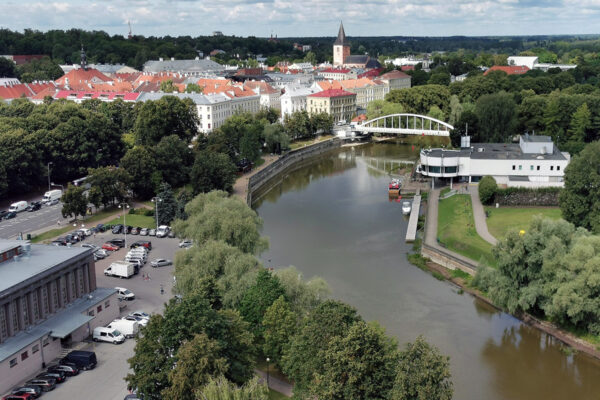
Labuan Bajo vs Yogyakarta: Which City Should You Visit?
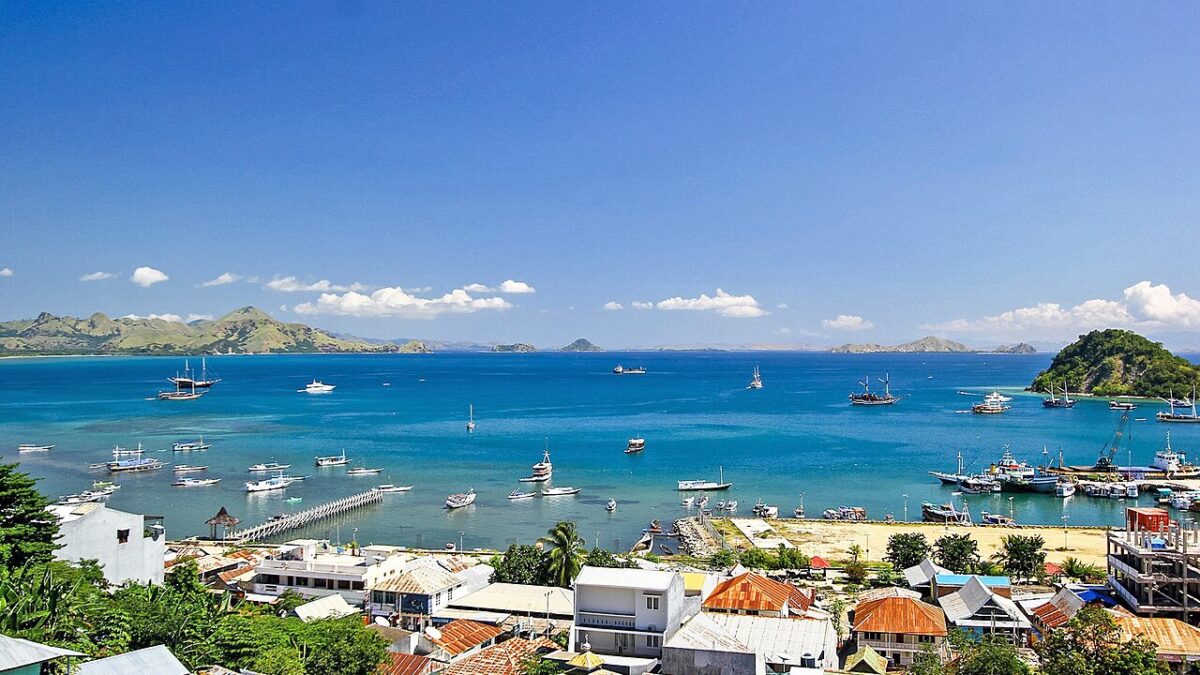
For the adventurer seeking pristine natural wonders and world-class diving, Labuan Bajo is the unequivocal choice. Conversely, for the traveler drawn to rich cultural heritage, intricate historical sites, and vibrant artistic expression, Yogyakarta stands out as the superior destination.
Labuan Bajo vs Yogyakarta: Quick Comparison
Labuan Bajo, the gateway to the Komodo National Park, is a burgeoning tourist hub characterized by its stunning marine biodiversity and dramatic landscapes. Its pace is dictated by the rhythm of the sea and the expeditions it facilitates. Yogyakarta, on the other hand, is the cultural heart of Java, a city steeped in history, art, and tradition, offering a more grounded and intellectually stimulating experience. While both are Indonesian gems, their appeal lies in vastly different realms of travel.
Cost Comparison
| Category | Labuan Bajo (USD) | Yogyakarta (USD) |
|---|---|---|
| Accommodation | 50 – 200+ | 15 – 80 |
| Food | 20 – 50 | 10 – 30 |
| Transport | 15 – 30 (local) | 5 – 15 (local) |
| Activities | 100 – 300+ (boat trips, park fees) | 20 – 60 (temple entrance, tours) |
| Daily Total (Estimate) | 185 – 400+ | 50 – 185 |
Atmosphere & Culture
Labuan Bajo possesses an atmosphere of adventure and discovery. The town itself is relatively small and functional, serving primarily as a base for excursions. Its vibe is energetic, driven by the influx of international tourists eager to explore the Komodo dragons, world-renowned dive sites, and breathtaking viewpoints. The architecture is modern and geared towards tourism, with hotels, restaurants, and dive shops lining the waterfront. Local culture is present, particularly in the bustling fish market and the interactions with boat crews, but it often takes a backseat to the natural attractions.
Yogyakarta, in contrast, exudes a deep sense of Javanese culture and history. Its atmosphere is more laid-back and traditional, with a palpable reverence for its royal heritage and artistic traditions. The pace is slower, allowing for immersion in the local way of life. Architecturally, the city is defined by its grand Kraton (Sultan’s Palace), traditional Javanese houses, and the vibrant street art that adorns many walls. The local culture is central to the Yogyakarta experience, evident in its gamelan music, batik artistry, Wayang Kulit (shadow puppetry), and the daily routines of its residents.
Things to Do
Labuan Bajo
- Komodo National Park Expedition: Embark on a multi-day boat trip to witness the legendary Komodo dragons in their natural habitat, trek to iconic viewpoints like Padar Island, and snorkel or dive in crystal-clear waters teeming with marine life. This is the quintessential Labuan Bajo experience.
- Island Hopping and Snorkeling/Diving: Explore the numerous islands surrounding Labuan Bajo, such as Kanawa, Taka Makassar, and Manta Point, known for their pristine beaches, vibrant coral reefs, and the chance to swim with majestic manta rays.
- Sunset at Amelia Sea View or similar viewpoint: Hike up to one of the scenic viewpoints overlooking the islands and the ocean for a spectacular sunset, a perfect way to cap off a day of exploration.
Yogyakarta
- Explore Borobudur Temple: Visit the magnificent Buddhist temple of Borobudur, a UNESCO World Heritage site and one of the world’s largest Buddhist monuments. Witnessing the sunrise over this ancient structure is an unforgettable experience.
- Discover Prambanan Temple: Immerse yourself in the grandeur of Prambanan, a stunning Hindu temple complex dedicated to the Trimurti. Its towering spires and intricate carvings are a testament to ancient Javanese architecture and artistry.
- Wander through the Kraton and Taman Sari: Delve into the heart of Javanese royalty by exploring the Sultan’s Palace (Kraton) and the Water Castle (Taman Sari), learning about the history and traditions of the Yogyakarta Sultanate.
Food Scene
Labuan Bajo’s food scene is heavily influenced by its coastal location. Seafood is paramount, with fresh catches grilled to perfection being a staple. Restaurants range from simple local eateries serving nasi goreng and mie goreng to more upscale establishments offering international cuisine. Prices are generally higher due to the logistics of supplying an island destination. Must-try dishes include grilled fish and seafood platters. For a more local experience, visit the bustling night fish market.
Yogyakarta boasts one of the most diverse and affordable food scenes in Indonesia. It’s a haven for culinary exploration, offering authentic Javanese flavors alongside international options. Street food is abundant and delicious. Must-try dishes include Gudeg (young jackfruit stew cooked in coconut milk), Nasi Goreng (fried rice), Sate Ayam (chicken satay), and Bakpia Pathok (sweet mung bean-filled pastries). The price range is significantly lower than in Labuan Bajo, making it ideal for foodies on a budget.
Best For…
- Budget travelers: Yogyakarta
- Foodies: Yogyakarta
- History lovers: Yogyakarta
- Nightlife: Both offer different experiences. Labuan Bajo has a more laid-back bar scene catering to tourists, while Yogyakarta has a more diverse offering with live music venues and traditional performances. For a more authentic cultural nightlife, Yogyakarta.
- Families: Yogyakarta (due to a wider range of accessible cultural activities and more budget-friendly options).
Our Verdict
Labuan Bajo is the ultimate destination for nature enthusiasts and adventure seekers who prioritize marine exploration and dramatic landscapes. Yogyakarta, conversely, is the perfect choice for those seeking to immerse themselves in rich Javanese culture, explore ancient historical sites, and experience vibrant artistic traditions.

Kai has visited 60+ countries across 6 continents, with a obsession for one thing most travelers ignore: the real cost of getting there. Former budget backpacker turned data-driven travel writer, Kai breaks down destination costs so you can plan smarter — not just dream bigger. Based everywhere, from nowhere in particular.