The Ultimate Guide: Best Time to Visit Yogyakarta in 2026
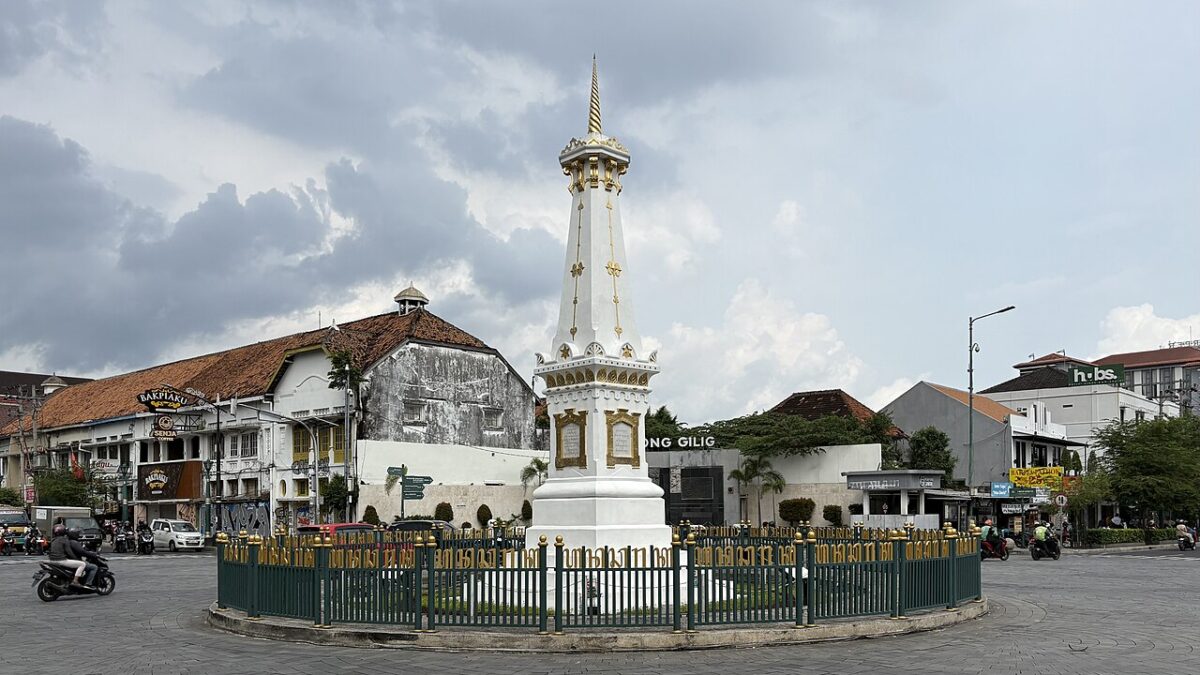
The optimal period to experience Yogyakarta in 2026 is during the dry season, specifically from June to September. These months offer the most favorable weather conditions for exploring the region’s rich cultural heritage and natural wonders.
Month-by-Month Weather Guide
| Month | Avg Temp (°C) | Rainfall (mm) | Crowd Level | Hotel Price Level |
|---|---|---|---|---|
| January | 27 | 300 | Low | $ |
| February | 27 | 270 | Low | $ |
| March | 28 | 250 | Low | $ |
| April | 28 | 180 | Moderate | $$ |
| May | 28 | 100 | Moderate | $$ |
| June | 28 | 50 | Moderate | $$$ |
| July | 28 | 40 | High | $$$ |
| August | 28 | 30 | High | $$$ |
| September | 28 | 60 | Moderate | $$$ |
| October | 28 | 150 | Moderate | $$ |
| November | 28 | 220 | Moderate | $$ |
| December | 27 | 280 | Moderate | $$ |
Peak Season
The peak season in Yogyakarta generally spans from July to August, coinciding with school holidays in Indonesia and international travel periods. During these months, expect the most pleasant weather with minimal rainfall and warm, consistent temperatures.
What to Expect:
- Sunny days ideal for outdoor exploration.
- Lower humidity levels compared to other times of the year.
- Bustling tourist attractions, including Borobudur Temple and Prambanan Temple.
- A vibrant atmosphere with more organized events and festivals.
Price Increases: Hotel rates and flight prices can see an increase of 20-30% compared to the off-season. Accommodation bookings should be made well in advance, ideally 3-6 months prior to travel.
Pros:
- Optimal weather conditions for sightseeing and outdoor activities.
- Access to the full range of tourist services and facilities.
- Opportunity to participate in popular cultural events.
Cons:
- Higher costs for accommodation and flights.
- Larger crowds at major attractions, potentially leading to longer wait times.
- A more commercialized tourist experience.
Shoulder Season (Best Value)
The shoulder seasons, namely May, June, and September, offer an excellent balance between favorable weather and manageable crowds, making them ideal for budget-conscious travelers seeking good value. These months represent the transition periods between the wet and dry seasons.
Weather Quality: While there’s a slight increase in rainfall probability compared to the peak dry season, these months still offer predominantly sunny days with comfortable temperatures. Humidity levels are moderate.
Crowd Levels: Tourist numbers are lower than during the peak season, allowing for a more relaxed experience at popular sites. Queues are shorter, and there is a greater sense of spaciousness at attractions.
Savings vs. Peak: Travelers can expect to save approximately 10-20% on accommodation and flights compared to the peak months. This makes the shoulder season a strategic choice for experiencing Yogyakarta without the highest price tags.
Off-Season / Budget Season
The off-season in Yogyakarta typically falls within the wet season, from January to March. This period is characterized by higher rainfall and humidity, but it presents the most significant opportunities for cost savings.
Cheapest Months: January, February, and March are generally the most affordable for travel, with hotel rates potentially up to 30-40% lower than during the peak season. Flight prices also tend to be at their lowest.
Weather Trade-offs: The primary trade-off is the increased likelihood of daily rain showers. These are often brief but can impact outdoor plans. Temperatures remain warm, and humidity is higher.
Hidden Advantages:
- Significantly lower prices for flights and accommodation.
- Fewer tourists, leading to a more intimate and authentic experience at cultural sites.
- Opportunities for spontaneous travel and last-minute bookings.
- The lush, green landscapes are at their most vibrant after periods of rain.
Best Time for Specific Activities
Yogyakarta offers a diverse range of activities throughout the year. The ideal timing often depends on personal preferences and tolerance for weather conditions.
Sightseeing
For unobstructed views and comfortable exploration of UNESCO World Heritage sites like Borobudur Temple and Prambanan Temple, the dry season from June to August is unparalleled. The clear skies provide excellent photographic opportunities, especially for sunrise and sunset tours.
Outdoor Activities
Activities such as hiking in the surrounding hills, exploring the beaches of the southern coast, or visiting natural attractions like the Jomblang Cave are best enjoyed during the dry season (June to September) when rainfall is minimal. The shoulder months of May and October also offer good conditions with fewer crowds.
Food Festivals and Cultural Events
Yogyakarta’s cultural calendar is rich. While specific dates for 2026 are yet to be announced, major Islamic holidays like Eid al-Fitr and Eid al-Adha often lead to vibrant celebrations and special culinary offerings. These typically fall within the variable months of the year. Local arts and craft exhibitions are more common during the shoulder seasons (April-May, September-October) when the weather is conducive to attending outdoor markets and performances.
For a comprehensive overview of what to expect in Yogyakarta, consult our detailed Yogyakarta travel guide.
Seasonal Price Comparison
| Season | Avg Hotel/Night (USD) | Avg Flight (Round Trip, USD) | Overall Cost Level |
|---|---|---|---|
| Peak Season (July-August) | $80 – $150 | $700 – $1000 | High |
| Shoulder Season (May-June, Sept) | $60 – $110 | $600 – $850 | Medium |
| Off-Season (Jan-March) | $40 – $80 | $500 – $700 | Low |

Kai has visited 60+ countries across 6 continents, with a obsession for one thing most travelers ignore: the real cost of getting there. Former budget backpacker turned data-driven travel writer, Kai breaks down destination costs so you can plan smarter — not just dream bigger. Based everywhere, from nowhere in particular.