First Time in Reykjavik? Your Essential Starter Guide
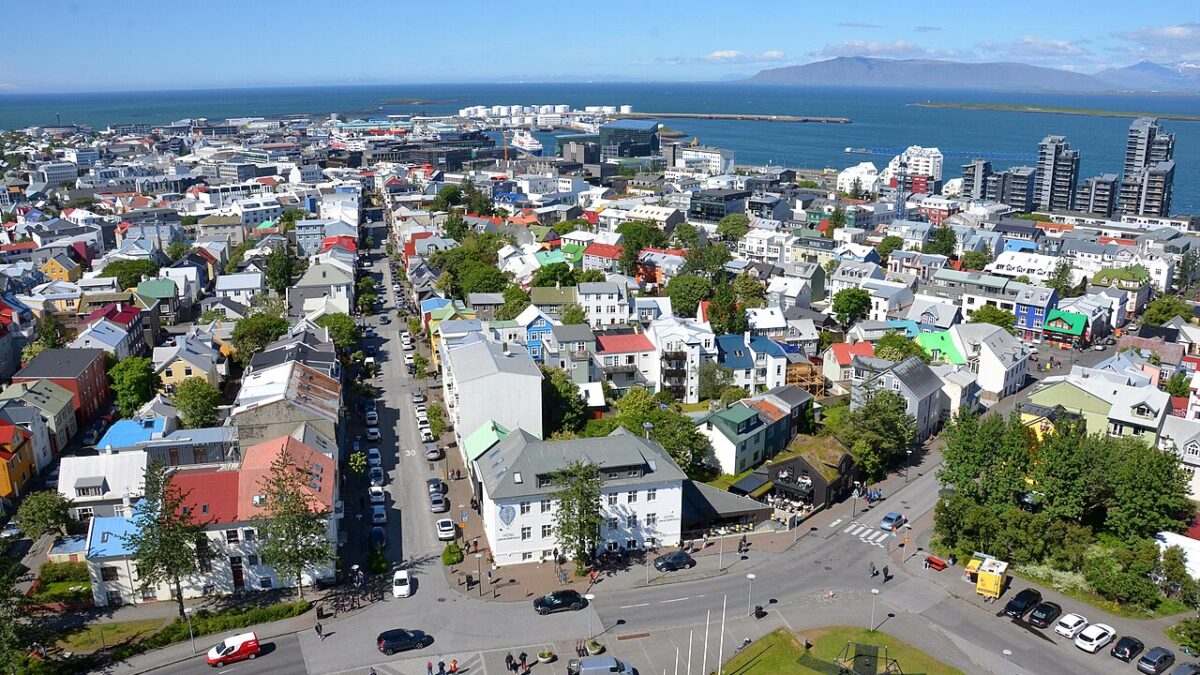
Welcome to Reykjavik, the world’s northernmost capital and a vibrant gateway to Iceland’s extraordinary natural wonders. This comprehensive Reykjavik travel guide offers essential insights for planning an unforgettable journey, covering everything from average travel costs and accommodation to the best things to do and a practical 3-day Reykjavik itinerary. Prepare to immerse yourself in a city renowned for its unique culture, stunning landscapes, and unparalleled access to adventure.
Why Visit Reykjavik?
Reykjavik, despite its small size, offers an incredibly rich and diverse travel experience, making it a compelling destination for a wide range of international travelers. The city serves as an ideal base for exploring Iceland’s iconic natural phenomena, including the breathtaking Northern Lights in winter and the mesmerizing Midnight Sun during summer.
Beyond its natural allure, Reykjavik boasts a vibrant cultural scene, characterized by its quirky street art, innovative culinary landscape, and a strong sense of community. Visitors can immerse themselves in local history at fascinating museums, discover unique Icelandic designs in boutique shops, and enjoy the lively atmosphere of its numerous cafes and bars. The city’s proximity to geothermal wonders, dramatic coastlines, and the Golden Circle route further solidifies its status as an essential stop for any Icelandic adventure.
Average Travel Cost in Reykjavik
Reykjavik is known for being a relatively expensive destination, particularly when compared to many European or North American cities. However, with careful planning, it is possible to manage your Reykjavik travel cost effectively. Prices for accommodation, food, and activities can vary significantly based on your travel style and preferences.
This table provides a realistic daily cost comparison for different travel budgets in Reykjavik, reflecting estimated prices for 2026. These figures are per person and exclude international flights.
| Category | Budget Traveler | Mid-Range Traveler | Luxury Traveler |
|---|---|---|---|
| Hotel/Accommodation | $70 – $120 (Hostel dorm/Guesthouse) | $200 – $350 (3-4 star hotel) | $400 – $800+ (Boutique/High-end hotel) |
| Food | $30 – $50 (Supermarket, hot dogs, fast food) | $80 – $150 (Casual restaurants, 2 meals) | $200 – $350+ (Fine dining, multiple courses) |
| Transport | $10 – $20 (Bus, walking, airport transfer) | $30 – $50 (Bus, airport transfer, occasional taxi) | $70 – $100+ (Private transfers, car rental portion) |
| Attractions/Activities | $20 – $40 (Free sites, one museum) | $60 – $120 (1-2 tours/museums) | $150 – $250+ (Premium tours, Blue Lagoon) |
| Total Daily Estimate | $130 – $230 | $370 – $670 | $820 – $1500+ |
Where to Stay in Reykjavik
Choosing where to stay in Reykjavik significantly impacts your experience, offering different vibes and access to attractions. The city centre is compact and highly walkable, making most areas convenient. Here are three popular neighborhood recommendations:
-
Miðborg (City Centre/101 Reykjavik)
This is the heart of Reykjavik, bustling with shops, restaurants, bars, and major attractions like Hallgrímskirkja and Laugavegur shopping street. Staying here means you’re steps away from everything, making it ideal for first-time visitors who want to be amidst the action. It offers the widest range of accommodation options.
Price Range: Budget (hostels, guesthouses) $80-$150; Mid-Range (boutique hotels, apartments) $250-$400; Luxury (high-end hotels) $450-$800+.
-
Vesturbær (West Town)
Located just west of the city centre, Vesturbær offers a more residential and local feel while still being within easy walking distance or a short bus ride to downtown. It’s home to the popular Vesturbæjarlaug geothermal pool and a growing number of charming cafes and eateries. This area is perfect for those seeking a quieter atmosphere with local flavor.
Price Range: Budget (guesthouses, budget apartments) $70-$120; Mid-Range (mid-tier apartments, smaller hotels) $200-$350.
-
Hlíðar (East of City Centre)
Encompassing areas like Hlemmur and parts leading towards the domestic airport, Hlíðar provides a good balance between proximity to the city centre and potentially better value. It’s a slightly more spread-out area but still well-connected by public transport. You’ll find a mix of hotels, guesthouses, and residential apartments here.
Price Range: Budget (hostels, guesthouses) $60-$100; Mid-Range (standard hotels, apartments) $180-$300.
Best Things to Do in Reykjavik
Reykjavik offers a captivating blend of cultural attractions, architectural marvels, and natural wonders right on its doorstep. Here are some of the top things to do in Reykjavik:
-
Hallgrímskirkja Church: This iconic Lutheran parish church dominates the Reykjavik skyline. Its unique design is inspired by the basalt columns found in Icelandic nature. Ascend to the top of its tower for panoramic views of the city and surrounding mountains.
-
Harpa Concert Hall and Conference Centre: An architectural masterpiece located by the old harbor, Harpa’s dazzling glass facade reflects the sky and sea. Explore its interior, catch a concert, or simply admire its innovative design and vibrant atmosphere.
-
Laugavegur Shopping Street: Reykjavik’s main shopping thoroughfare is a vibrant hub of boutiques, souvenir shops, cafes, and bars. It’s the perfect place to stroll, soak in the local atmosphere, and find unique Icelandic gifts.
-
Perlan Museum and Observation Deck: Housed in a futuristic building atop Öskjuhlíð hill, Perlan offers interactive exhibits on Iceland’s natural wonders, including a real ice cave. The 360-degree observation deck provides unparalleled views of Reykjavik and beyond.
-
The Blue Lagoon: While technically outside Reykjavik, a visit to this world-famous geothermal spa is a quintessential Icelandic experience. Relax in its mineral-rich waters, just a 45-minute drive from the city. (Advance booking is essential.)
-
Whale Watching Tour: Depart from Reykjavik’s Old Harbour for a chance to spot majestic whales, dolphins, and various seabirds in Faxaflói Bay. Tours operate year-round, with peak season in summer.
-
Golden Circle Tour: This popular day trip from Reykjavik covers three of Iceland’s most famous natural attractions: Þingvellir National Park, the Geysir geothermal area, and the powerful Gullfoss waterfall. It’s an absolute must for first-time visitors.
-
Northern Lights Tour: If visiting between September and April, embark on a guided tour away from city lights to chase the elusive Aurora Borealis. Many tours offer a free second attempt if the lights are not seen on the first night.
-
FlyOver Iceland: Experience the sensation of flying over Iceland’s most stunning landscapes in this immersive flight simulation ride. It offers a unique perspective on the country’s diverse beauty.
-
Sun Voyager Sculpture: Located by the seaside, this striking steel sculpture by Jón Gunnar Árnason is often mistaken for a Viking ship. It’s a dream boat and an ode to the sun, a beautiful spot for photos, especially at sunset.
Where to Eat in Reykjavik
Reykjavik’s culinary scene is surprisingly diverse and innovative, focusing on fresh, local ingredients like seafood, lamb, and dairy. Exploring the best restaurants in Reykjavik is a highlight for many travelers. Here are some recommendations:
-
Bæjarins Beztu Pylsur: No Reykjavik travel guide is complete without mentioning this iconic hot dog stand. Famous for its lamb-based hot dogs, often ordered “eina með öllu” (with everything: raw onion, crispy fried onion, ketchup, sweet mustard, and remoulade). It’s a budget-friendly and delicious local staple.
-
Fiskmarkaðurinn (The Fish Market): Offering a sophisticated take on Icelandic and Asian fusion cuisine, Fiskmarkaðurinn is renowned for its fresh seafood and creative dishes. It’s an excellent choice for a high-quality dining experience.
-
Messinn: Specializing in pan-fried fish dishes served in a skillet, Messinn provides a cozy and authentic Icelandic dining experience. Their arctic char and bacalao are particularly popular, offering hearty and flavorful meals.
-
Grandi Mathöll (Grand Food Hall): Located in the Grandi district, this modern food hall offers a variety of culinary options under one roof. From traditional Icelandic fare to international street food, it’s a great spot for groups or those looking for diverse choices in a lively setting.
-
Brauð & Co: For delicious baked goods, including their famous sourdough bread and cinnamon buns, Brauð & Co is a must-visit. Perfect for a quick breakfast or a warm treat on a chilly day. You can often smell the fresh baking from blocks away.
-
Sægreifinn (The Sea Baron): Situated by the old harbor, this rustic restaurant is famous for its lobster soup and fresh fish skewers. It offers a charming, no-frills atmosphere and is a favorite among both locals and tourists for authentic seafood.
3-Day Reykjavik Itinerary
This 3-day Reykjavik itinerary is designed to give you a comprehensive taste of the city’s highlights and its accessible natural wonders. It combines urban exploration with iconic day trips, suitable for most international travelers.
Day 1: City Centre Exploration and Cultural Immersion
Begin your Reykjavik adventure by exploring the vibrant city centre. Start with a visit to the iconic Hallgrímskirkja Church, ascending its tower for unparalleled panoramic views. Afterward, stroll down Laugavegur, Reykjavik’s main shopping street, browsing boutiques and enjoying the lively atmosphere.
For lunch, grab a famous hot dog from Bæjarins Beztu Pylsur. In the afternoon, head to the waterfront to admire the stunning architecture of Harpa Concert Hall and the symbolic Sun Voyager sculpture. Conclude your day with dinner at a restaurant in the city centre, perhaps enjoying fresh Icelandic seafood.
Day 2: Golden Circle Adventure and Geothermal Relaxation
Dedicate your second day to experiencing Iceland’s renowned natural beauty with a Golden Circle tour. This classic route typically includes three primary stops: Þingvellir National Park, a UNESCO World Heritage site with historical and geological significance; the Geysir geothermal area, where the Strokkur geyser erupts every few minutes; and the majestic Gullfoss waterfall, a powerful two-tiered cascade.
Upon returning to Reykjavik, consider an evening visit to a local geothermal pool, such as Laugardalslaug, for a relaxing soak. Alternatively, if visiting during winter, embark on a Northern Lights tour to chase the Aurora Borealis away from city lights.
Day 3: Coastal Wonders, Museums, and Departure
On your final day, explore more of Reykjavik’s unique attractions. Start with a visit to Perlan Museum, where you can walk through a real ice cave and learn about Iceland’s natural forces, followed by breathtaking views from its observation deck. Afterwards, explore the charming Grandi Harbor District, home to art studios, a food hall (Grandi Mathöll), and the Whales of Iceland museum.
In the afternoon, depending on your flight schedule, you might opt for a relaxing visit to the Blue Lagoon (ensure pre-booked tickets and allocate 4-5 hours including travel time) on your way to Keflavík International Airport (KEF). This strategic stop allows you to enjoy the spa before your departure, concluding your memorable trip to Reykjavik.
Transportation Guide
Navigating Reykjavik and its surroundings is relatively straightforward, with several options available for international travelers.
-
Keflavík International Airport (KEF) to Reykjavik: The airport is about 50 km (31 miles) southwest of Reykjavik. The most common and cost-effective transfer options are the Flybus and Airport Direct shuttle services. These buses offer regular departures coinciding with flight arrivals and can drop you off at the main bus terminal (BSÍ) or directly at your hotel (for a small extra fee). Taxis are also available but are significantly more expensive.
-
Getting Around Reykjavik:
- Walking: The city centre (101 Reykjavik) is very compact and easily walkable. Most major attractions, restaurants, and shops are within a 15-20 minute stroll of each other.
- Public Bus (Strætó): Reykjavik has an efficient public bus system. You can purchase tickets on the bus (exact change often required), at convenience stores, or via the Strætó app. Buses cover the entire city and surrounding areas, providing a budget-friendly way to reach attractions further afield like Perlan or local swimming pools.
- Taxi: Taxis are available but are generally expensive. They can be hailed on the street or booked via phone/app. They are best reserved for short distances or when public transport is not convenient.
- Car Rental: Renting a car is highly recommended if you plan to explore beyond Reykjavik extensively, particularly for multi-day trips to the South Coast, Snaefellsnes Peninsula, or the Highlands. Within Reykjavik itself, a car is not strictly necessary and can be a hassle due to parking.
Money-Saving Tips
Traveling to Reykjavik doesn’t have to break the bank entirely. Here are some practical Reykjavik budget travel tips to help you save money:
-
Cook Your Own Meals: Eating out in Reykjavik can be very expensive. Book accommodation with kitchen facilities and buy groceries from supermarkets like Bónus or Krónan. Preparing your own breakfast and some dinners can significantly reduce food costs.
-
Utilize Public Transport: The Strætó bus system is an affordable way to get around the city. Consider purchasing a day pass if you plan to use it frequently. Walking is free and often the best way to explore the city centre.
-
Choose Free Attractions: Many of Reykjavik’s best sights are free. Enjoy walking tours, visit the Sun Voyager sculpture, stroll along the harbor, or hike up Öskjuhlíð hill for views. The city’s street art is also a fantastic free attraction.
-
Buy Alcohol at Duty-Free: Alcohol in Iceland is heavily taxed and expensive. If you plan to drink, purchase your alcohol at the duty-free shop upon arrival at Keflavík Airport.
-
Opt for Hostels or Guesthouses: Accommodation is a significant expense. Staying in a hostel dorm or a guesthouse with shared facilities can be considerably cheaper than hotels. Look outside the immediate 101 Reykjavik postcode for slightly lower prices.
-
Pack Smartly: Bring appropriate warm and waterproof clothing. Buying specialized gear in Iceland can be costly. Layering is key for Icelandic weather.
-
Consider a City Card: If you plan to visit multiple museums and use public transport, the Reykjavik City Card can offer good value. It provides free entry to many museums, galleries, swimming pools, and unlimited bus travel.
-
Book Tours in Advance (and look for combos): While tours are an expense, booking them online in advance can sometimes secure better prices. Look for package deals, especially for popular excursions like the Golden Circle or Northern Lights tours, which may offer slight discounts.
Frequently Asked Questions
What is the best time of year to visit Reykjavik?
The best time to visit Reykjavik depends on your priorities. Summer (June-August) offers mild weather, the Midnight Sun, and excellent conditions for hiking and outdoor activities. Winter (September-April) is ideal for chasing the Northern Lights and enjoying snow-covered landscapes, though days are shorter and colder.
Do I need to rent a car in Reykjavik?
For exploring Reykjavik city centre, a car is not necessary as the city is very walkable and has good public transport. However, if you plan extensive day trips outside the city (e.g., Golden Circle, South Coast) and prefer flexibility, renting a car is highly recommended. For winter travel, a 4×4 vehicle is often advisable.
Is Reykjavik a safe city for tourists?
Yes, Reykjavik is consistently ranked as one of the safest cities in the world. Violent crime is extremely rare, and tourists can generally feel very secure walking around, even at night. Standard travel precautions regarding personal belongings should always be observed.
What currency is used in Reykjavik, and should I carry cash?
The currency in Iceland is the Icelandic Króna (ISK). While it’s useful to have a small amount of cash for very minor purchases or emergencies, Iceland is largely a cashless society. Credit and debit cards are universally accepted, even for small transactions, so you can rely almost entirely on card payments.
How far in advance should I book accommodation and tours?
Due to Reykjavik’s popularity and limited capacity, especially during peak seasons (summer and major holidays), it is strongly advised to book accommodation, popular tours (like the Blue Lagoon, Golden Circle, and Northern Lights), and rental cars several months in advance. This ensures availability and often better prices.

Kai has visited 60+ countries across 6 continents, with a obsession for one thing most travelers ignore: the real cost of getting there. Former budget backpacker turned data-driven travel writer, Kai breaks down destination costs so you can plan smarter — not just dream bigger. Based everywhere, from nowhere in particular.