The Ultimate Guide: Best Time to Visit Beirut in 2026
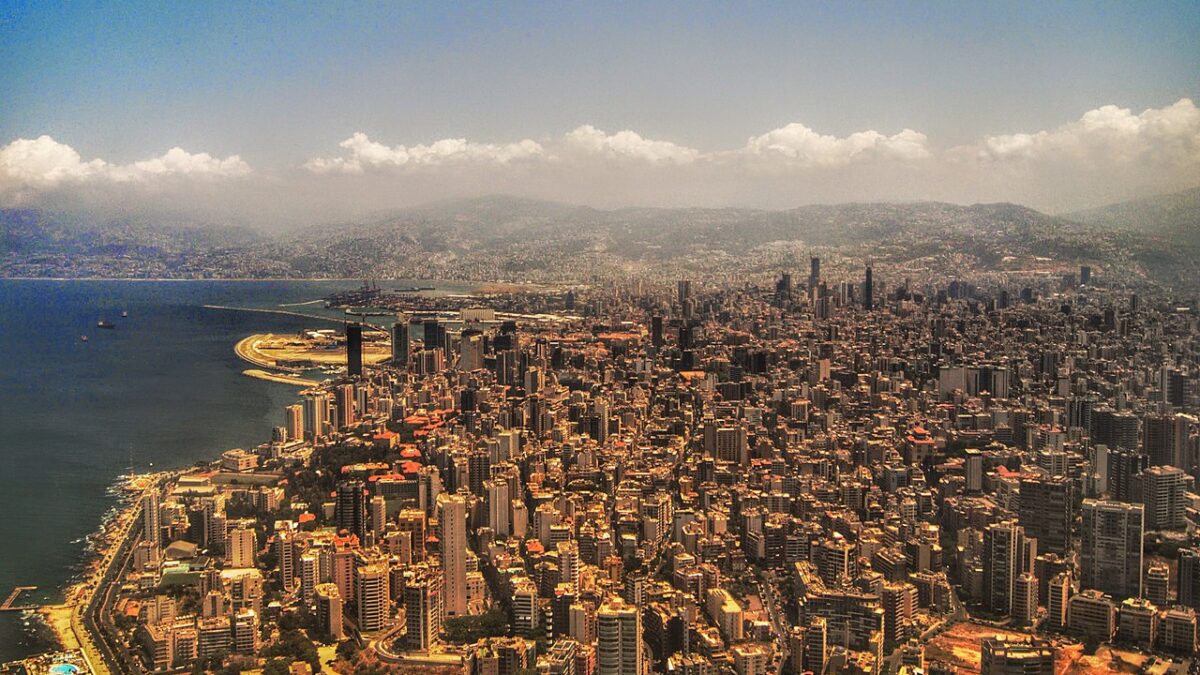
The optimal time to visit Beirut, Lebanon in 2026 for a balance of pleasant weather and manageable crowds is typically during the spring months of April and May, and the autumn months of September and October. These periods offer ideal temperatures for exploring the city and its surroundings.
Month-by-Month Weather Guide
| Month | Avg Temp (°C / °F) | Rainfall (mm) | Crowd Level | Hotel Price Level |
|---|---|---|---|---|
| January | 10-15°C / 50-59°F | 90-120mm | Low | Low |
| February | 11-16°C / 52-61°F | 70-100mm | Low | Low |
| March | 13-18°C / 55-64°F | 50-80mm | Low-Medium | Low-Medium |
| April | 16-22°C / 61-72°F | 20-40mm | Medium | Medium |
| May | 20-26°C / 68-79°F | 5-15mm | Medium-High | Medium-High |
| June | 24-30°C / 75-86°F | 0-5mm | High | High |
| July | 26-32°C / 79-90°F | 0mm | Very High | Very High |
| August | 27-33°C / 81-91°F | 0mm | Very High | Very High |
| September | 25-30°C / 77-86°F | 5-10mm | High | High |
| October | 21-27°C / 70-81°F | 20-40mm | Medium-High | Medium-High |
| November | 17-22°C / 63-72°F | 60-90mm | Medium | Medium |
| December | 12-17°C / 54-63°F | 80-110mm | Medium-Low | Medium-Low |
Peak Season
The peak tourist season in Beirut generally spans from June to August. During these months, the weather is consistently hot and dry, with daytime temperatures frequently exceeding 30°C (86°F). This period attracts the largest number of visitors, drawn by the promise of sunny skies and long daylight hours ideal for beach activities and general exploration.
What to Expect: Expect bustling streets, crowded attractions, and a vibrant atmosphere. Coastal areas and popular nightlife spots will be at their liveliest. Hotel occupancy rates are at their highest, and flights will be in high demand.
Price Increases: Accommodation prices can surge by 30-50% compared to the off-season. Flight tickets will also see significant price hikes, potentially doubling in cost for last-minute bookings. Expect to pay an average of $180-$280 per night for a mid-range hotel.
Pros:
- Guaranteed hot and sunny weather, perfect for beach holidays.
- Extensive range of organized tours and activities available.
- Lively nightlife and social scene.
Cons:
- Overcrowding at major tourist sites.
- The heat can be intense and uncomfortable for prolonged sightseeing.
- Highest prices for flights and accommodation.
Shoulder Season (Best Value)
The shoulder seasons, encompassing April, May, September, and October, offer the best balance of excellent weather and value for money in Beirut. These months provide a more temperate climate than the peak summer, with comfortable temperatures ideal for extensive sightseeing and outdoor activities.
Weather Quality: Spring (April-May) brings blooming landscapes and pleasant warmth, with average temperatures ranging from 16-26°C (61-79°F). Autumn (September-October) offers warm, sunny days with cooler evenings, with temperatures between 21-30°C (70-86°F). Rainfall is minimal during these periods.
Crowd Levels: While still popular, crowds are noticeably smaller than in the peak summer months. This allows for a more relaxed experience at attractions and a greater sense of local immersion.
Savings vs. Peak: Travelers can expect savings of 15-30% on flights and accommodation compared to the peak summer months. Mid-range hotel prices typically range from $130-$200 per night.
Off-Season / Budget Season
The off-season in Beirut typically runs from November to March. This period is characterized by cooler temperatures and a higher chance of rainfall, making it less appealing for traditional beach holidays but offering a unique appeal for budget-conscious travelers and those seeking a more authentic, less crowded experience.
Cheapest Months: January and February are generally the cheapest months, with hotel prices at their lowest. Average hotel rates can be as low as $80-$120 per night.
Weather Trade-offs: Daytime temperatures average between 10-17°C (50-63°F). While not ideal for swimming, the weather is perfectly suitable for visiting museums, historical sites, and enjoying Beirut’s culinary scene. Occasional rain showers are to be expected, particularly in December, January, and February.
Hidden Advantages: The city offers a more local feel with fewer tourists. You can often find better deals on flights and accommodation. Exploring indoor attractions like the National Museum of Beirut or enjoying the city’s vibrant cafe culture becomes more appealing.
Best Time for Specific Activities
Sightseeing
For general sightseeing, including historical sites like the Roman Baths, Martyrs’ Square, and the National Museum of Beirut, the shoulder seasons are ideal. April, May, September, and October offer pleasant temperatures for walking and exploring without the intense heat of summer or the chill of winter.
Outdoor Activities
Beirut’s coastal promenade (Corniche) is best enjoyed during the shoulder months of April, May, September, and October when temperatures are mild and comfortable for walking, cycling, or simply enjoying the sea breeze. For those interested in day trips to nearby mountains or historical sites like Byblos or Baalbek, spring (April-May) and autumn (September-October) provide the most agreeable conditions.
Food Festivals and Cultural Events
Beirut has a dynamic culinary scene throughout the year. While specific festival dates can vary, major food-related events and cultural happenings often occur during the shoulder seasons. The spring months of April and May often see local food fairs and cultural celebrations as the city awakens after winter. Autumn, particularly October, is also a popular time for cultural events and the harvest season, which influences local cuisine.
For a comprehensive overview of what to do and see, consult our Beirut travel guide.
Seasonal Price Comparison
| Season | Avg Hotel/Night (USD) | Avg Flight (USD) | Overall Cost Level |
|---|---|---|---|
| Peak Season (June-August) | $180 – $280 | $900 – $1500 | High |
| Shoulder Season (April-May, September-October) | $130 – $200 | $700 – $1100 | Medium |
| Off-Season (November-March) | $80 – $120 | $500 – $800 | Low |

Kai has visited 60+ countries across 6 continents, with a obsession for one thing most travelers ignore: the real cost of getting there. Former budget backpacker turned data-driven travel writer, Kai breaks down destination costs so you can plan smarter — not just dream bigger. Based everywhere, from nowhere in particular.