Beirut: Phoenix of the Mediterranean
Why Visit Beirut?
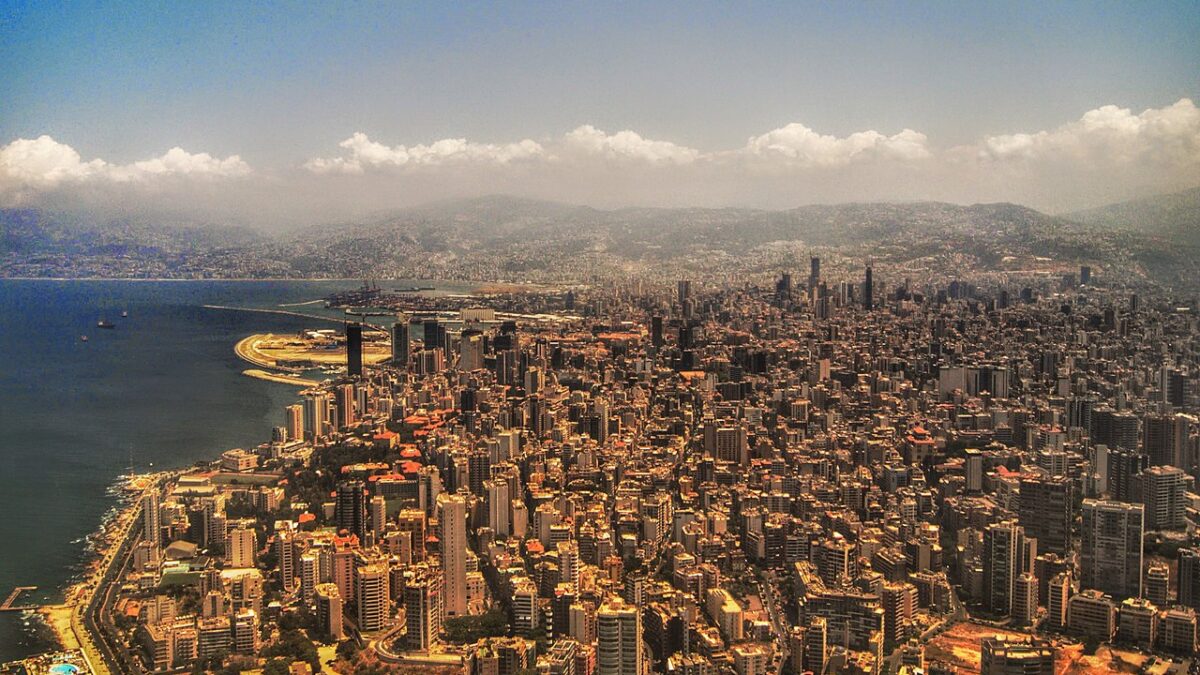
Beirut presents a compelling blend of historical depth, contemporary dynamism, and resilient spirit, making it a unique destination for discerning travelers. This Beirut travel guide highlights its accessible costs, diverse neighborhoods, and rich culinary scene, offering a practical framework for an enriching visit in 2026. Expect to explore ancient Roman ruins, vibrant souks, and modern art galleries, all within a city experiencing a notable resurgence. Our complete our complete Lebanon travel guide can provide further insights into this fascinating country.
The Lebanese capital’s allure lies in its palpable energy, a testament to its enduring culture and vibrant populace. Visitors can immerse themselves in a city that seamlessly merges the old with the new, from the majestic Pigeon Rocks to the buzzing nightlife districts. Planning a trip here offers an opportunity to witness firsthand the remarkable capacity for renewal and cultural expression that defines Beirut.
Who This Guide Is For
This guide is designed for independent travelers planning a 3-7 day trip to Beirut, particularly those interested in cultural immersion, historical exploration, and culinary experiences, with a mid-range budget. It is also suitable for first-time visitors seeking practical advice on navigation, costs, and itinerary planning.
Average Travel Cost in Beirut
The exchange rate as of early 2026 is approximately 1 USD = 89,500 LBP. Tipping is customary at 10-15% in restaurants and optional for other services based on satisfaction.
| Category | Budget | Mid-Range | Luxury |
|---|---|---|---|
| Accommodation | $30 | $100 | $250 |
| Food | $20 | $50 | $120 |
| Transport | $5 | $20 | $60 |
| Attractions | $10 | $30 | $80 |
| Misc | $15 | $40 | $100 |
| Daily Total | $80 | $240 | $610 |
| Duration | Budget Total | Mid-Range Total | Luxury Total |
|—|—|—|—|
| 3 Days | $240 | $720 | $1830 |
| 7 Days | $560 | $1680 | $4270 |
Accommodation costs can be significantly reduced by opting for Airbnb-style rentals over traditional hotels. For instance, a week-long stay in a private apartment via Airbnb could cost approximately $300-$500, whereas a comparable mid-range hotel would likely range from $700-$1000 for the same period, representing potential savings of 30-50%.
Prices for accommodation and flights tend to be highest during the peak seasons of spring (March-May) and autumn (September-November), which offer the most pleasant weather. Shoulder seasons, such as late spring or early autumn, can provide similar weather conditions with potentially lower prices. The off-season, typically the winter months (December-February), offers the lowest rates but may come with cooler temperatures and occasional rain.
Where to Stay in Beirut
Mar Mikhael
Mar Mikhael is renowned for its vibrant nightlife, trendy bars, art galleries, and eclectic street art. It attracts a younger, bohemian crowd and offers a lively atmosphere.
* Price Range (per night): Budget: $40-$70; Mid-Range: $90-$150
* Best for: Travelers seeking nightlife, independent boutiques, and a dynamic urban experience.
* Insider Tip: Explore the side streets away from the main Armenian Patriarchate Boulevard for quieter, more authentic dining and drinking spots.
Gemmayzeh
Gemmayzeh is known for its beautiful architecture, traditional Lebanese restaurants, and charming cafes, offering a more relaxed yet sophisticated ambiance than Mar Mikhael. It’s a popular spot for evening strolls and dining.
* Price Range (per night): Budget: $35-$65; Mid-Range: $85-$140
* Best for: Couples, food enthusiasts, and those who appreciate charming streets and classic Lebanese cuisine.
* Insider Tip: Visit during the day to explore the boutiques and art shops; many restaurants and bars come alive after sunset.
Hamra
Hamra is a bustling commercial and residential district, historically a hub for intellectuals and students. It offers a wide array of shops, cafes, bookstores, and is in close proximity to the American University of Beirut.
* Price Range (per night): Budget: $30-$60; Mid-Range: $80-$130
* Best for: Budget-conscious travelers, students, and those looking for a central location with easy access to amenities and local life.
* Insider Tip: Look for guesthouses and smaller hotels slightly off the main Hamra Street for better value and a quieter stay.
Best Things to Do in Beirut
National Museum of Beirut
This museum houses an extensive collection of Lebanese antiquities, tracing the country’s history from prehistoric times to the Ottoman era. It is crucial for understanding Lebanon’s rich archaeological heritage and its strategic position in ancient civilizations.
* Average Ticket Price: $5
* Best Time to Visit: Weekdays, early in the morning (9 AM – 11 AM) to avoid school groups.
* Insider Tip: Allow at least two hours to fully appreciate the exhibits; consider hiring a guide for deeper insights into specific artifacts.
Pigeon Rocks (Raouché Rocks)
These iconic natural sea stacks stand majestically off the coast of Beirut, offering a picturesque landmark and a popular spot for leisurely walks along the Corniche. They are a symbol of the city’s natural beauty.
* Average Ticket Price: Free
* Best Time to Visit: Sunset for breathtaking views and photography opportunities.
* Insider Tip: Walk along the Corniche towards the rocks; several cafes offer seating with direct views, though prices may be higher.
Sursock Museum
The Sursock Museum is a stunning example of Italian Renaissance architecture housing a significant collection of modern and contemporary Lebanese art. It plays a vital role in promoting and preserving the Lebanese art scene.
* Average Ticket Price: $3 (temporary exhibitions may incur additional fees)
* Best Time to Visit: Weekdays, mid-morning (10 AM – 12 PM), to experience its ambiance before peak visitor times.
* Insider Tip: Check the museum’s schedule for temporary exhibitions and events, which often feature prominent local and international artists.
Beirut Souks
A modern reconstruction of traditional marketplaces, the Beirut Souks offer a blend of high-end retail, dining, and entertainment in a pedestrian-friendly environment. They represent a modern approach to urban retail and public space.
* Average Ticket Price: Free to browse; costs vary for shopping and dining.
* Best Time to Visit: Weekends for a lively atmosphere, or weekdays for a more relaxed shopping experience.
* Insider Tip: Explore the interconnected alleys and courtyards; many smaller cafes and artisanal shops are tucked away from the main thoroughfares.
Martyrs’ Square
This historic public square is a significant landmark, commemorating Lebanese martyrs and serving as a focal point for national events and demonstrations. It embodies Beirut’s complex political history and its public sphere.
* Average Ticket Price: Free
* Best Time to Visit: Any time of day for reflection; morning hours offer a quieter experience.
* Insider Tip: Observe the surrounding architecture, which reflects various historical periods and architectural influences on the city.
Zaitunay Bay
A sophisticated waterfront promenade featuring high-end restaurants, cafes, and yachts, Zaitunay Bay offers a luxurious leisure experience and panoramic views of the Mediterranean. It symbolizes Beirut’s modern upscale development and its connection to the sea.
* Average Ticket Price: Free to stroll; dining and activities are priced accordingly.
* Best Time to Visit: Evening for a vibrant dining and social scene, or late afternoon for sunset views.
* Insider Tip: Many restaurants offer outdoor seating with sea views; consider booking in advance, especially on weekends.
Where to Eat in Beirut
Street Food/Casual Dining:
* Cuisine: Lebanese Mezze & Shawarma
* Price Range (per meal): $5 – $15
* What to Order: Falafel sandwiches, mana’eesh (flatbread with toppings), varied mezze platters (hummus, tabbouleh, baba ghanoush), and shawarma.
* Location Tip: Explore the streets of Hamra for numerous small eateries and bakeries offering authentic and affordable local fare.
Traditional Lebanese Restaurant:
* Cuisine: Classic Lebanese Cuisine
* Price Range (per meal): $25 – $50
* What to Order: Kibbeh, grilled meats (kebabs, shish taouk), fattoush salad, stuffed vine leaves, and a selection of hot and cold mezze.
* Location Tip: Gemmayzeh and Mar Mikhael boast several well-regarded restaurants serving traditional dishes in charming settings.
Seafood Experience:
* Cuisine: Fresh Mediterranean Seafood
* Price Range (per meal): $40 – $70
* What to Order: Grilled whole fish (e.g., sea bream, sea bass), calamari, shrimp, and a variety of seafood mezze.
* Location Tip: Restaurants along the Corniche or at Zaitunay Bay offer fresh seafood with sea views, though prices can be higher.
International Cuisine:
* Cuisine: Diverse International Options
* Price Range (per meal): $30 – $60
* What to Order: Options range from Italian and French to Asian fusion, depending on the establishment.
* Location Tip: Downtown Beirut and the Saifi Village area offer a concentration of restaurants serving a variety of international dishes.
3-Day Beirut Itinerary
Day 2
* Morning (9 AM – 12 PM): Begin with a visit to the National Museum of Beirut to delve into Lebanon’s rich history. Afterward, take a leisurely stroll along the Corniche towards the iconic Pigeon Rocks.
* Afternoon (1 PM – 5 PM): Explore the vibrant streets of Gemmayzeh, enjoying lunch at a traditional Lebanese restaurant. Visit the Sursock Museum to experience contemporary Lebanese art and admire its architecture.
* Evening (6 PM – 10 PM): Experience the lively atmosphere of Mar Mikhael. Enjoy dinner at one of its many diverse restaurants, followed by drinks at a popular bar.
* Estimated Daily Cost: $150 – $200 (Mid-Range)
Day 1
* Morning (9 AM – 12 PM): Start your exploration in Downtown Beirut, visiting Martyrs’ Square and exploring the modern Beirut Souks for a blend of history and commerce.
* Afternoon (1 PM – 5 PM): Head to Hamra, known for its intellectual buzz. Enjoy lunch at a local eatery and browse its bookstores and shops. Consider visiting the American University of Beirut campus for its architecture.
* Evening (6 PM – 10 PM): Conclude your day at Zaitunay Bay, enjoying a sunset walk along the promenade and dining at one of its waterfront restaurants.
* Estimated Daily Cost: $130 – $180 (Mid-Range)
Day 3
* Morning (9 AM – 12 PM): Dedicate your morning to revisiting a favorite area or exploring a new neighborhood like Achrafieh for its shopping centers and local life. Alternatively, consider a half-day trip to Byblos (Jbeil), one of the oldest continuously inhabited cities in the world (approx. 1-hour drive).
* Afternoon (1 PM – 5 PM): If you ventured to Byblos, explore its ancient ruins, harbor, and charming old souk. If staying in Beirut, visit a local art gallery in the Saifi Village or relax at a cafe.
* Evening (6 PM – 10 PM): Enjoy a final Lebanese dinner, perhaps trying a restaurant you missed earlier in the week, or revisit a favorite for a farewell meal.
* Estimated Daily Cost: $100 – $150 (Mid-Range, excluding Byblos trip) or $180 – $250 (Mid-Range, including Byblos transport and activities).
Transportation Guide
Getting from Beirut Rafic Hariri International Airport (BEY) to the city center typically costs $20-$30 via taxi. Public transportation within Beirut consists mainly of shared taxis (service taxis) and minibuses. Service taxis operate on fixed routes and are an economical option, with fares usually between $1-$3 per ride depending on the distance. Minibuses offer even lower fares, often less than $1, but can be crowded and follow less predictable schedules. Rideshare apps like Bolt are readily available and offer a convenient alternative to traditional taxis, with prices comparable to or slightly lower than metered taxis.
Money-Saving Tips
Pro Tip 1: Utilize service taxis for intra-city travel. A typical ride within central Beirut costs approximately $1-$2, significantly less than private taxis or rideshare services, saving an estimated $10-$15 per day if used for multiple short trips.
Pro Tip 2: Embrace street food and local bakeries for meals. A delicious mana’eesh or falafel sandwich can cost as little as $2-$3, allowing you to enjoy authentic flavors while spending less than $15-$20 per day on food.
Pro Tip 3: Purchase a multi-attraction pass if available, or prioritize free attractions like the Corniche and Martyrs’ Square. Visiting these alongside one or two paid sites can keep attraction costs under $15-$20 per day.
Common Travel Mistakes
Mistake 1: Over-reliance on taxis for every journey. Beirut’s traffic can be substantial, and taxis can become expensive. Utilizing shared taxis or walking between nearby attractions, especially in areas like Gemmayzeh and Mar Mikhael, can save time and money.
Mistake 2: Not being aware of the local currency and exchange rates. While USD is widely accepted, understanding the Lebanese Lira (LBP) and its fluctuating value is crucial for accurate budgeting and avoiding overpayment, particularly in smaller establishments.
Frequently Asked Questions
How much money do you need for 3 days in Beirut?
For a 3-day trip to Beirut, a budget traveler can expect to spend approximately $240, covering accommodation, food, transport, and basic attractions. A mid-range budget would require around $720, and a luxury trip could cost upwards of $1830. These estimates can be refined using our travel cost calculator.
Is Beirut expensive for tourists?
Compared to many Western European capitals, Beirut offers a moderate cost of travel. While luxury options exist, it is possible to experience the city comfortably on a budget of around $80 per day, making it more affordable than destinations like Amsterdam, but potentially more expensive than cities in Southeast Asia like Manila. For a different Middle Eastern experience, you might want to Compare with Manama.
What is the best area to stay in Beirut?
The best area to stay depends on your priorities. Mar Mikhael is ideal for nightlife enthusiasts, Gemmayzeh for a charming culinary experience, and Hamra for budget-conscious travelers seeking a central location. Each offers a distinct atmosphere and accessibility to key attractions.
Can you visit Beirut without a car?
Yes, it is entirely feasible to visit Beirut without a car. The city has a functional public transport system of shared taxis and minibuses, and rideshare apps are widely available. Walking is also a viable option for exploring many central neighborhoods.
What is the cheapest month to visit Beirut?
The cheapest months to visit Beirut are generally during the winter season, from December to February. Outside of major holiday periods, accommodation and flight prices tend to be at their lowest during these months, though the weather is cooler and potentially wetter.

Kai has visited 60+ countries across 6 continents, with a obsession for one thing most travelers ignore: the real cost of getting there. Former budget backpacker turned data-driven travel writer, Kai breaks down destination costs so you can plan smarter — not just dream bigger. Based everywhere, from nowhere in particular.