Manila: Pearl of the Orient’s Vibrant Heart
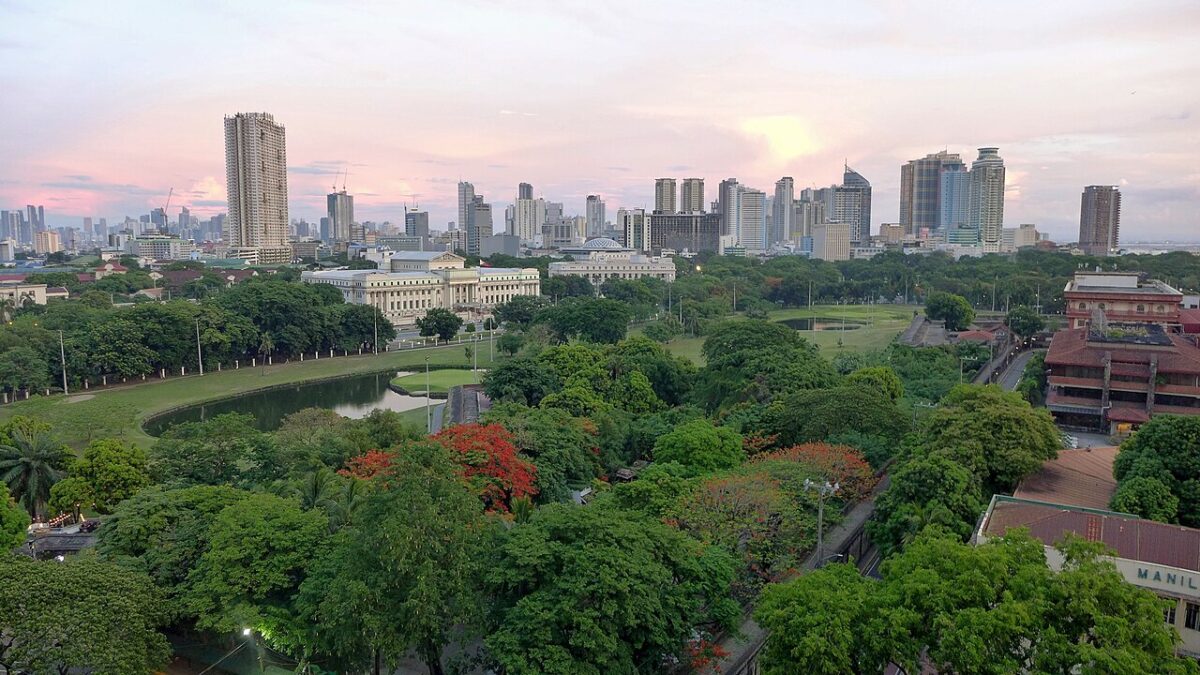
Manila: Crossroads of Culture and Culinary Delights
Why Visit Manila?
Manila offers a dynamic urban experience, blending historical depth with contemporary energy. This Manila travel guide highlights its affordability, with daily costs ranging from $65 for budget travelers to $470 for luxury experiences. Explore distinct neighborhoods like Intramuros and Makati, and savor diverse culinary offerings. Planning your itinerary and understanding local transport are key to unlocking this vibrant Southeast Asian capital.
The city serves as a gateway to the Philippines, showcasing a unique colonial past juxtaposed with modern development. Visitors can engage with centuries of history in preserved districts, witness bustling local life, and indulge in a culinary scene celebrated for its fusion flavors and street food accessibility. For those seeking an immersive cultural journey without excessive expenditure, Manila presents a compelling destination.
Who This Guide Is For
This guide is tailored for first-time visitors planning a 3-5 day trip to Manila. It is particularly useful for budget-conscious travelers aiming for a daily expenditure under $100 and for those interested in experiencing authentic local cuisine and historical sites.
Average Travel Cost in Manila
The following table outlines the estimated average daily travel costs in Manila for 2026, inclusive of accommodation, food, transportation, attractions, and miscellaneous expenses. All figures are presented in USD.
| Category | Budget | Mid-Range | Luxury |
|---|---|---|---|
| Accommodation | $25 | $70 | $200 |
| Food | $15 | $35 | $90 |
| Transport | $5 | $15 | $50 |
| Attractions | $10 | $30 | $80 |
| Misc | $10 | $20 | $50 |
| Daily Total | $65 | $170 | $470 |
Estimated total costs for different durations and budget levels are as follows:
* 3-Day Totals:
* Budget: $195
* Mid-Range: $510
* Luxury: $1410
* 7-Day Totals:
* Budget: $455
* Mid-Range: $1190
* Luxury: $3290
For accommodation, opting for an Airbnb-style apartment can offer significant savings compared to hotels, especially for longer stays or for groups. While a mid-range hotel might cost $70 per night, a comparable Airbnb could be secured for $40-$50, representing potential savings of 20-30% or more. This allows for more funds to be allocated to dining or excursions.
The most favorable period for visiting Manila, with potentially stable pricing and pleasant weather, is from December to February. This peak season may see slightly higher accommodation rates compared to the shoulder months of March to May or the off-season from June to November, which experiences more rainfall. Travelers can leverage this by booking in advance during peak times or embracing the lower costs of the wet season for a more budget-friendly experience. Tipping culture in the Philippines often includes a 10% service charge in restaurants and hotels; however, small additional tips for exceptional service are appreciated. The current exchange rate is approximately 1 USD = 58.10 PHP.
Where to Stay in Manila
Intramuros: This historic walled city is the heart of Old Manila, offering a glimpse into the Spanish colonial era.
* Price Range (per night): Budget $20-$40, Mid-Range $50-$80
* Best For: History enthusiasts, photographers, those seeking a tranquil, walkable environment.
* Insider Tip: Stay within the walls to experience the city’s ambiance after the day-trippers depart.
Makati: Known as the financial and commercial hub, Makati boasts modern skyscrapers, upscale shopping malls, and a vibrant dining and nightlife scene.
* Price Range (per night): Budget $40-$60, Mid-Range $70-$150
* Best For: Business travelers, shoppers, foodies, those who prefer contemporary amenities.
* Insider Tip: Utilize the Skyway for faster travel between key areas, especially during peak traffic hours.
Malate: A historic district that has evolved into a lively area with a bohemian vibe, known for its nightlife, restaurants, and proximity to Manila Bay.
* Price Range (per night): Budget $30-$50, Mid-Range $60-$100
* Best For: Nightlife seekers, budget travelers, those interested in experiencing a more local, energetic atmosphere.
* Insider Tip: Explore the side streets for hidden culinary gems and live music venues.
Best Things to Do in Manila
Fort Santiago
This historic citadel within Intramuros served as a defense fortification and a prison during various periods of Philippine history, most notably for national hero Jose Rizal. Its strategic location on the Pasig River makes it a key historical site.
* Average Ticket Price: 75 PHP (approx. $1.30 USD)
* Best Time to Visit: Weekdays, early morning (opens 8 AM) to avoid larger tour groups.
* Insider Tip: Allow at least 2-3 hours to explore the grounds thoroughly, including the Rizal shrine and dungeons.
San Agustin Church and Museum
A UNESCO World Heritage site, San Agustin Church is one of the oldest stone churches in the Philippines, showcasing intricate Baroque architecture and housing a significant collection of religious art and artifacts in its museum.
* Average Ticket Price: 200 PHP (approx. $3.45 USD) for the museum and church tour.
* Best Time to Visit: Morning, ideally before the midday heat.
* Insider Tip: The museum offers guided tours that provide deep historical context; inquire about their schedule upon arrival.
National Museum Complex (Fine Arts, Anthropology, Natural History)
This sprawling complex houses the country’s most important cultural and scientific treasures, from pre-colonial artifacts and indigenous art to botanical and zoological exhibits.
* Average Ticket Price: Free admission.
* Best Time to Visit: Weekdays, as it can get very crowded on weekends. The National Museum of Natural History is particularly popular.
* Insider Tip: Allocate an entire day if you plan to visit all three museums to fully appreciate their collections without rushing.
Binondo Chinatown
The world’s oldest Chinatown, Binondo is a bustling district renowned for its authentic Chinese cuisine, vibrant street life, and historical temples, offering a sensory immersion into a unique cultural blend.
* Average Ticket Price: Free to explore; costs vary for food and purchases.
* Best Time to Visit: Late morning for lunch or early evening for dinner, avoiding peak lunch rush hours.
* Insider Tip: Embark on a self-guided food tour, trying dim sum, hopia, and other local delicacies from various establishments.
Rizal Park (Luneta Park)
A significant urban green space in the heart of Manila, Rizal Park is a historical landmark commemorating the life and execution of Jose Rizal, featuring gardens, monuments, and recreational areas.
* Average Ticket Price: Free to enter; specific attractions within may have fees.
* Best Time to Visit: Early morning for a peaceful stroll or late afternoon as the sun begins to set.
* Insider Tip: Visit the Chinese and Japanese Gardens for a more serene experience away from the main thoroughfares.
Ayala Museum
Located in Makati, this modern museum offers a curated collection of Philippine art, textiles, and historical dioramas, providing a concise yet insightful overview of the nation’s cultural evolution.
* Average Ticket Price: 400 PHP (approx. $6.90 USD)
* Best Time to Visit: Weekdays to avoid weekend crowds.
* Insider Tip: Check their website for temporary exhibitions, which often feature contemporary Filipino artists.
Where to Eat in Manila
Street Food in Binondo Chinatown: Experience authentic Chinese-Filipino fusion flavors.
* Price Range: 100-300 PHP ($1.70 – $5.15 USD) per meal.
* What to Order: Xiao Long Bao, Siopao (steamed buns), Pancit Bihon, Hopia (sweet pastry).
* Location Tip: Wander along Ongpin Street and its side alleys to discover various vendors and eateries.
Filipino Comfort Food in Malate: Enjoy hearty, traditional Filipino dishes in a casual setting.
* Price Range: 300-700 PHP ($5.15 – $12.00 USD) per meal.
* What to Order: Kare-Kare (oxtail stew in peanut sauce), Adobo (braised meat in soy sauce and vinegar), Sinigang (sour soup).
* Location Tip: Explore Remedios Circle for a concentration of restaurants offering classic Filipino fare.
Upscale Dining in Bonifacio Global City (BGC): Discover international and modern Filipino cuisine in a sophisticated environment.
* Price Range: 1000-3000+ PHP ($17.20 – $51.50+ USD) per meal.
* What to Order: Contemporary interpretations of Filipino dishes, global gastronomic experiences.
* Location Tip: The area around Bonifacio High Street and Uptown Mall offers a wide array of fine dining establishments.
Local Eateries in Quiapo Market: Immerse yourself in the local culinary scene with affordable, flavorful dishes.
* Price Range: 150-400 PHP ($2.60 – $6.90 USD) per meal.
* What to Order: La Paz Batchoy (noodle soup), Halo-Halo (shaved ice dessert), various grilled meats and seafood.
* Location Tip: Venture into the market’s interior to find small carinderias (eateries) serving authentic local food.
3-Day Manila Itinerary
Day 2
* Morning (9:00 AM – 12:00 PM): Begin your day by exploring the historic walled city of Intramuros. Visit Fort Santiago to understand its pivotal role in Philippine history and walk along its ramparts.
* **Afternoon (1:00 PM – 4:00 PM): Immerse yourself in art and history at the National Museum Complex. Focus on the National Museum of Fine Arts and the National Museum of Anthropology to view significant Filipino artworks and archaeological finds.
* **Evening (6:00 PM onwards): Experience the vibrant atmosphere of Binondo Chinatown. Embark on a culinary adventure, sampling various Chinese-Filipino delicacies and enjoying the lively streetscape.
* Estimated Daily Cost: $80 (Mid-Range)
Day 3
* Morning (9:30 AM – 12:30 PM): Visit San Agustin Church and Museum, a UNESCO World Heritage site, to admire its stunning architecture and historical artifacts. Afterwards, take a leisurely walk through Rizal Park, reflecting on its significance.
* **Afternoon (1:30 PM – 4:30 PM): Explore the modern district of Bonifacio Global City (BGC). Visit the Ayala Museum for a concise overview of Philippine art and culture, then stroll through the urban art installations.
* Evening (7:00 PM onwards): Enjoy dinner in Malate, sampling traditional Filipino comfort food at one of the many local restaurants. Afterward, experience the area’s nightlife or enjoy a relaxed evening by Manila Bay.
* Estimated Daily Cost: $95 (Mid-Range)
Day 1
* Morning (9:00 AM – 12:00 PM): Arrive at Ninoy Aquino International Airport (NAIA) and transfer to your accommodation. Settle in and prepare for your exploration.
* **Afternoon (1:00 PM – 4:00 PM): Begin your Manila journey with a visit to the National Museum of Natural History, marveling at its biodiversity exhibits housed within a beautifully restored building.
* Evening (6:00 PM onwards): Enjoy a casual dinner in a neighborhood near your accommodation, perhaps trying some local Filipino dishes to start your culinary journey.
* Estimated Daily Cost: $75 (Mid-Range)
Transportation Guide
Getting from Ninoy Aquino International Airport (NAIA) to your accommodation typically involves several options. Taxis and ride-sharing services like Grab are readily available, with fares ranging from $10-$25 USD depending on your destination and traffic conditions. Pre-booked airport transfers can offer fixed rates and added convenience.
Manila’s public transit system includes the Light Rail Transit (LRT) and Metro Rail Transit (MRT) lines, which are cost-effective for navigating between major urban centers. A single ride on these systems costs approximately 15-30 PHP ($0.25-$0.50 USD). Buses and jeepneys offer even more budget-friendly travel but can be crowded and complex for first-time visitors. Tricycles are common for short distances within neighborhoods.
Rideshare apps, particularly Grab, are highly recommended for their convenience, pricing transparency, and availability across the city. They offer a safe and efficient way to travel, especially for those unfamiliar with local routes or in areas not well-served by rail.
Pro Tip 1: Purchase a stored-value card for the LRT and MRT systems (e.g., Beep card) to expedite boarding and receive slight fare discounts. Load it with approximately 500 PHP ($8.60 USD) for several days of travel.
Pro Tip 2: Always confirm the fare with taxi drivers before commencing your journey or insist on using the meter. For rideshare services, the app provides an upfront estimate.
Pro Tip 3: Embrace jeepneys for short, local trips if you are adventurous. Fares are very low, typically starting at 10 PHP ($0.17 USD), but be prepared for crowded conditions and a lack of fixed schedules.
Common Travel Mistakes
Mistake 1: Underestimating Manila’s traffic congestion. Traveling during peak hours (7-10 AM and 4-8 PM) can significantly extend journey times. Plan your activities with buffer time or utilize the LRT/MRT for predictable travel between stations.
Mistake 2: Relying solely on cash. While many smaller establishments and markets operate on cash, larger hotels, restaurants, and malls accept credit cards. It is advisable to carry a mix of cash and cards for flexibility.
Frequently Asked Questions
How much money do you need for 3 days in Manila?
For a 3-day trip to Manila, a budget traveler can expect to spend approximately $195 USD. This includes basic accommodation, local food, public transport, and entry to key attractions. A mid-range traveler might allocate around $510 USD for more comfortable stays and dining experiences. For a more precise estimate, use our travel cost calculator.
Is Manila expensive for tourists?
Compared to many Western cities, Manila is relatively inexpensive. A budget traveler can comfortably manage on $65 per day, while even a luxury experience at $470 per day is competitive with other major global cities. Costs are significantly lower than destinations like Cappadocia or Quito. To compare costs with other cities, check travel costs in Havana or browse Asia travel guides for more options.
What is the best area to stay in Manila?
The best area to stay depends on your interests. Intramuros offers historical immersion, Makati provides modern amenities and business access, and Malate is known for its vibrant nightlife and local charm. Each caters to different traveler preferences.
Can you visit Manila without a car?
Yes, it is entirely possible to visit Manila without a car. The city has a public transportation network including LRT and MRT lines, and ride-sharing services like Grab are widely available and efficient for navigating between locations.
What is the cheapest month to visit Manila?
The cheapest months to visit Manila are typically during the wet season, from June to November. While this period experiences more rainfall, accommodation and flight prices are often lower, offering savings for budget-conscious travelers. For a comprehensive overview of the Philippines, consult our complete Philippines travel guide.

Kai has visited 60+ countries across 6 continents, with a obsession for one thing most travelers ignore: the real cost of getting there. Former budget backpacker turned data-driven travel writer, Kai breaks down destination costs so you can plan smarter — not just dream bigger. Based everywhere, from nowhere in particular.