Amman: Echoes of Empires, Flavors of Today
Why Visit Amman?
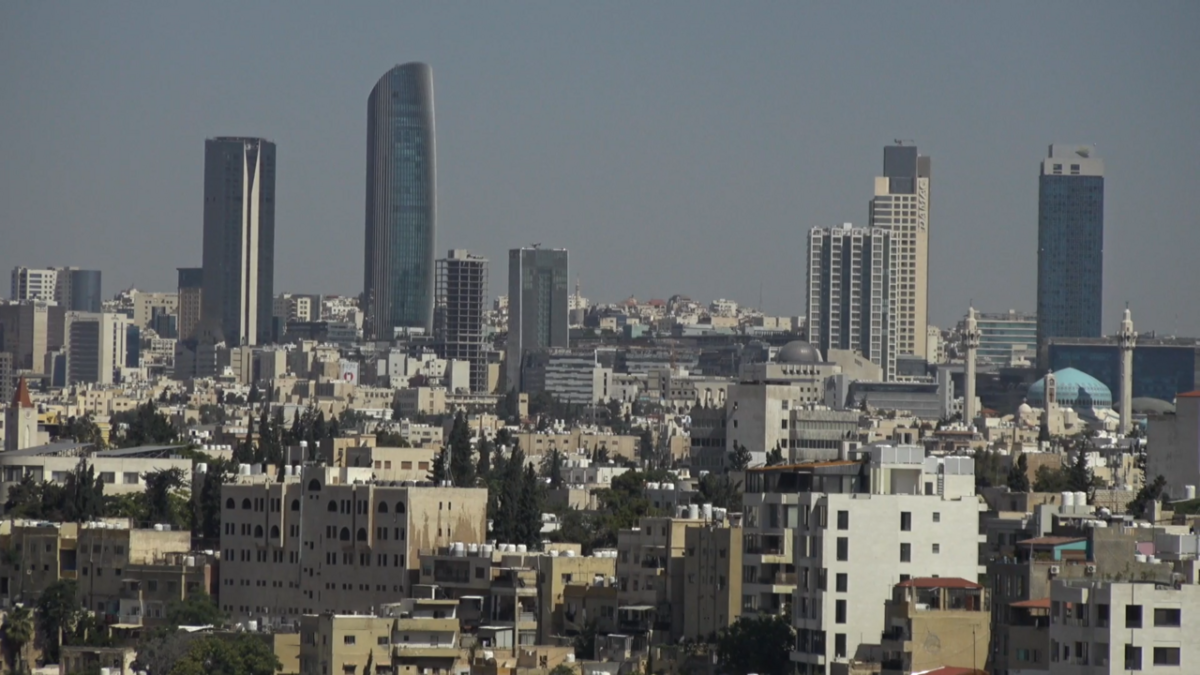
Amman offers a compelling blend of ancient history and contemporary urban life, making it a standout destination. This Amman travel guide highlights its affordability, diverse culinary scene, and accessible historical sites. Visitors can explore Roman ruins, vibrant souks, and modern art galleries, all within a manageable itinerary and budget.
The Jordanian capital serves as a gateway to the country’s rich heritage, providing a base for excursions to Petra and the Dead Sea. Its welcoming atmosphere, coupled with a growing reputation for excellent food and cultural experiences, positions Amman as a prime destination for discerning travelers in 2026. It is a city that rewards exploration, offering layers of discovery for those who seek them.
Who This Guide Is For
This guide is designed for first-time visitors planning a 3-7 day trip to Amman who are interested in a balanced experience of culture, history, and cuisine. It caters to travelers seeking practical information on budgeting, accommodation, and itinerary planning, without compromising on authentic experiences.
Average Travel Cost in Amman
The following table outlines average daily travel costs in Amman for 2026, based on a USD to JOD exchange rate of 1:0.707.
| Category | Budget | Mid-Range | Luxury |
|---|---|---|---|
| Accommodation | $30 | $80 | $200 |
| Food | $20 | $40 | $100 |
| Transport | $5 | $15 | $50 |
| Attractions | $10 | $30 | $70 |
| Misc | $10 | $20 | $50 |
| Daily Total | $75 | $185 | $470 |
Estimated total costs for different trip durations:
* 3-Day Trip:
* Budget: $225
* Mid-Range: $555
* Luxury: $1410
* 7-Day Trip:
* Budget: $525
* Mid-Range: $1295
* Luxury: $3290
For accommodation, opting for an Airbnb-style apartment can offer savings of 15-30% compared to mid-range hotels, especially for longer stays or groups, providing kitchen facilities that further reduce food expenses.
Prices are generally stable throughout the year, though peak seasons (March-May and September-November) may see slight increases in accommodation rates. Traveling during the shoulder or off-seasons can lead to marginal savings. Tipping culture dictates 10-15% for restaurants and services. For a more detailed breakdown, utilize our travel cost calculator.
Where to Stay in Amman
Rainbow Street (Jabal Amman)
Known for its vibrant atmosphere, eclectic mix of cafes, restaurants, and boutiques, Rainbow Street offers a lively urban experience.
* Price Range (per night): Budget $40-60, Mid-Range $80-150
* Best For: Young travelers, couples, those seeking nightlife and dining options.
* Insider Tip: Explore the side streets off Rainbow Street for more affordable guesthouses and local eateries.
Downtown (Al-Balad)
The historic heart of Amman, Al-Balad is characterized by its bustling souks, traditional bakeries, and a dense concentration of historical sites.
* Price Range (per night): Budget $30-50, Mid-Range $60-100
* Best For: Budget travelers, history enthusiasts, those wanting an authentic local immersion.
* Insider Tip: Stay in a small hotel or guesthouse within Al-Balad to be immersed in the city’s historical pulse, but be mindful of noise.
Abdoun
An upscale and modern district, Abdoun is known for its luxury hotels, sophisticated dining, and proximity to embassies and business centers.
* Price Range (per night): Mid-Range $120-200, Luxury $250+
* Best For: Business travelers, luxury seekers, families preferring modern amenities.
* Insider Tip: While pricier, hotels in Abdoun often provide excellent service and amenities, and many offer shuttle services to key attractions.
Best Things to Do in Amman
The Citadel
This ancient site, perched on a hill overlooking Amman, features Roman, Byzantine, and Umayyad ruins, most notably the Temple of Hercules and the Umayyad Palace. It offers panoramic city views and a deep dive into Amman’s layered history.
* Average Ticket Price: 5 JOD (approx. $7)
* Best Time to Visit: Early morning or late afternoon to avoid midday heat and crowds, especially during spring and autumn.
* Insider Tip: Purchase the Jordan Pass if you plan to visit multiple historical sites in Jordan; it often includes entry to the Citadel and saves money.
Roman Theatre
A remarkably preserved 6,000-seat theatre dating back to the 2nd century AD, it stands as a testament to Roman engineering and architectural prowess. It is still occasionally used for cultural events.
* Average Ticket Price: Included with Citadel ticket or 2 JOD (approx. $3) if purchased separately.
* Best Time to Visit: Mid-morning for good lighting for photography, or during an evening event if scheduled.
* Insider Tip: Climb to the upper tiers for excellent views of the theatre and the surrounding downtown area.
Jordan Museum
This museum showcases the history and culture of Jordan, with exhibits ranging from prehistoric artifacts to contemporary art, providing essential context for understanding the country.
* Average Ticket Price: 5 JOD (approx. $7)
* Best Time to Visit: Weekday mornings to avoid weekend crowds; allow at least 2-3 hours.
* Insider Tip: Check their schedule for temporary exhibitions or cultural events that might coincide with your visit.
King Abdullah I Mosque
A prominent landmark with a distinctive blue dome, this functioning mosque is a significant religious site and an example of modern Islamic architecture. Non-Muslims are welcome to visit outside of prayer times.
* Average Ticket Price: Free (donations appreciated)
* Best Time to Visit: Mid-morning or early afternoon on weekdays; dress modestly (shoulders and knees covered, headscarscarf for women).
* Insider Tip: Observe proper etiquette; inquire respectfully about photography opportunities from mosque staff.
Souk Jara
A vibrant weekend market on Rainbow Street that transforms into a lively hub for local crafts, food, and artisanal products. It’s a fantastic place to find unique souvenirs and experience local life.
* Average Ticket Price: Free to browse; prices vary for purchases.
* Best Time to Visit: Friday and Saturday mornings and afternoons during its operating season (typically April-October).
* Insider Tip: Engage with vendors; many are happy to share stories about their crafts, and bargaining is expected for non-food items.
Darat al Funun
This contemporary art center, housed in historic buildings on Weibdeh Hill, promotes Arab artists and hosts exhibitions, workshops, and film screenings, fostering a creative atmosphere.
* Average Ticket Price: Free
* Best Time to Visit: During opening hours; check their website for current exhibitions and events.
* Insider Tip: Enjoy the tranquil gardens and the café, which offer a peaceful respite and good views.
Where to Eat in Amman
* Cuisine: Traditional Jordanian Mezze
* Price Range: $10-20 per person
* What to Order: Hummus, mutabal, falafel, tabbouleh, mansaf (a national dish of lamb, yogurt, and rice).
* Location Tip: Head to Hashem Restaurant in Downtown Al-Balad for an iconic, no-frills experience, or try Sufra Restaurant in Jabal Amman for a more refined setting.
* Cuisine: Arabic Street Food
* Price Range: $3-8 per meal
* What to Order: Shawarma (meat cooked on a vertical rotisserie), falafel sandwiches, kunafa (sweet cheese pastry).
* Location Tip: Explore the street food stalls around the Roman Theatre or along King Hussein Street in Downtown for authentic and budget-friendly options.
* Cuisine: Modern Middle Eastern Fusion
* Price Range: $25-40 per person
* What to Order: Innovative dishes that blend traditional flavors with international techniques, often featuring fresh, local ingredients.
* Location Tip: Restaurants in the Abdoun or Sweifieh districts offer contemporary dining experiences with diverse menus.
* Cuisine: International Cuisine
* Price Range: $20-50 per person
* What to Order: A wide variety of options including Italian, Japanese, and Western dishes.
* Location Tip: Areas like Abdoun and the newer districts offer a range of international restaurants catering to diverse tastes.
3-Day Amman Itinerary
Day 2
* Morning (9:00 AM – 1:00 PM): Begin at the Citadel for panoramic city views and historical exploration. Afterward, descend to the Roman Theatre for a closer look at ancient architecture.
* Afternoon (1:00 PM – 5:00 PM): Immerse yourself in Jordanian history and culture at the Jordan Museum. Enjoy lunch at a traditional restaurant in Downtown Al-Balad.
* Evening (6:00 PM onwards): Stroll down Rainbow Street, exploring its shops and cafes. Have dinner at a restaurant in the Jabal Amman area, experiencing the city’s modern culinary scene.
* Estimated Daily Cost: $80-120 (Mid-Range)
Day 1
* Morning (9:30 AM – 12:30 PM): Explore the historic heart of Amman (Al-Balad). Visit the Grand Husseini Mosque and wander through the bustling souks.
* Afternoon (1:00 PM – 4:00 PM): Enjoy a traditional Jordanian lunch at Hashem Restaurant. Afterward, visit the King Abdullah I Mosque for its striking architecture.
* Evening (5:00 PM onwards): Experience the vibrant atmosphere of Souk Jara if visiting on a weekend, or explore the art galleries and cafes of Weibdeh Hill, including Darat al Funun. Enjoy dinner in Weibdeh.
* Estimated Daily Cost: $60-90 (Budget-Mid-Range)
Day 3
* Morning (9:00 AM – 1:00 PM): Take a day trip to Jerash, one of the best-preserved Roman provincial cities in the world (approximately 1-hour drive).
* Afternoon (1:00 PM – 4:00 PM): Return to Amman and enjoy a late lunch. Depending on interest, visit the Royal Automobile Museum or explore the modern shopping districts like Sweifieh.
* **Evening (6:00 PM onwards): Enjoy a farewell dinner at a restaurant of your choice, perhaps trying a cuisine not yet experienced or revisiting a favorite.
* Estimated Daily Cost: $100-150 (includes transport and entrance fees for Jerash, Mid-Range)
Transportation Guide
Getting from Queen Alia International Airport (AMM) to Amman typically involves several options. The Airport Express Bus is the most economical choice, costing approximately 3.5 JOD (around $5 USD) per person and operating at regular intervals. Taxis are readily available, with fares to central Amman usually ranging from 20-30 JOD (around $28-42 USD), though it is advisable to agree on a price beforehand or ensure the meter is used. Rideshare services like Uber and Careem are also operational in Amman and can offer competitive pricing.
Within the city, public transportation is limited to minibuses, which are inexpensive but can be confusing for tourists. Taxis are abundant and relatively affordable for shorter distances, with meters being the standard. Rideshare apps remain a convenient and often preferred option for navigating the city, offering predictable pricing and ease of booking. For day trips outside Amman, hiring a driver or joining an organized tour is recommended.
Money-Saving Tips
Pro Tip 1: Purchase the Jordan Pass before arriving in Jordan. It costs 70-80 JOD (approx. $99-113 USD) for a 1, 2, or 3-day entry to over 40 sites, including Petra, and waives the tourist visa fee for stays of three nights or more, offering significant savings.
Pro Tip 2: Utilize local eateries and street food vendors for meals. Eating falafel sandwiches, shawarma, or traditional mezze at local spots can reduce daily food expenses by as much as 50% compared to tourist-oriented restaurants.
Pro Tip 3: Stay in guesthouses or budget hotels in areas like Downtown Al-Balad or Weibdeh. These can offer accommodation at 30-50% less than hotels in more upscale districts like Abdoun.
Common Travel Mistakes
Mistake 1: Not pre-booking airport transportation. Arriving at AMM and expecting to find the cheapest taxi rates without prior research or booking can lead to overpaying. Utilizing the Airport Express Bus or pre-booking a reputable taxi service offers better value.
Mistake 2: Underestimating the cost of day trips. Excursions to sites like Petra or Wadi Rum from Amman can be expensive if not planned. Consider group tours or utilizing the Jordan Pass for attraction entry to manage these costs effectively.
Frequently Asked Questions
How much money do you need for 3 days in Amman?
For a 3-day trip to Amman, a budget traveler can expect to spend around $225, covering basic accommodation, local food, transport, and entry to key attractions. A mid-range traveler might budget $555, allowing for more comfortable lodging, varied dining, and additional activities.
Is Amman expensive for tourists?
Amman is generally considered moderately priced for tourists, especially when compared to Western European or North American cities. While luxury options exist, budget and mid-range travel are very feasible, with daily costs averaging $75 to $185 per person. Check travel costs in Casablanca for comparison.
What is the best area to stay in Amman?
The best area to stay depends on your priorities. Downtown Al-Balad offers historical immersion and budget-friendly options. Rainbow Street provides a lively atmosphere with numerous cafes and shops, suitable for young travelers. For a more upscale experience, Abdoun is recommended.
Can you visit Amman without a car?
Yes, it is entirely possible to visit Amman without a car. Taxis and rideshare services are readily available and affordable for navigating within the city. For day trips to nearby attractions like Jerash, organized tours or hiring a driver are convenient alternatives.
What is the cheapest month to visit Amman?
The cheapest months to visit Amman are typically during the off-season, which includes the winter months (December-February) and parts of the summer (July-August). During these periods, flight and accommodation prices may be lower, though weather conditions will be colder or hotter, respectively. For a broader perspective on Asian travel, Browse Asia travel guides.

Kai has visited 60+ countries across 6 continents, with a obsession for one thing most travelers ignore: the real cost of getting there. Former budget backpacker turned data-driven travel writer, Kai breaks down destination costs so you can plan smarter — not just dream bigger. Based everywhere, from nowhere in particular.